
Every spring, Florida Pest Control’s service teams see the same pattern repeat across homes statewide: calls about cockroach sightings begin climbing in late March, pick up sharply through April, and by May the volume reflects what our technicians already know from decades of seasonal data.
Rising temperatures and increasing humidity prompt significant behavioral changes among the two main species that invade Florida homes, the American cockroach (commonly called the palmetto bug) and the German cockroach. Spring boosts their activity, accelerates breeding, and creates conditions that draw them inside.
Understanding this changing dynamic puts you in a better position as summer approaches. This guide explains the seasonal factors behind spring activity, highlights the key differences between the species most likely to invade your home, and offers practical steps that can make all the difference in preventing infestations.
What Spring Cockroach Activity
Cockroach activity in Florida doesn’t follow a simple on/off switch. Even through winter, populations remain active since Florida rarely gets cold enough to stop them entirely. Nonetheless, the conditions in April are specifically tied to a growing threat of cockroach infestations.
- Temperature is the primary trigger. As average overnight temperatures climb above 70°F, cockroach metabolism speeds up. They feed more, move more, and reproduce faster. For American cockroaches living in storm drains, mulch beds, and tree hollows around your property, warmer nights increase foraging and the likelihood of home invasions.
- Moisture plays an equally important role. Florida’s spring rains create standing water, saturated soil, and elevated humidity around foundations, garages, and crawl spaces. The combination of warmth and water availability makes residential properties far more attractive than they were even a few weeks earlier.
- Breeding cycles exacerbate the effect. Female German cockroaches can produce thousands of new roaches in less than a year. A small population that overwinters in a kitchen or bathroom can multiply rapidly once spring temperatures warm interior spaces. By the time summer arrives, what started as a handful of roaches can become a serious infestation.
Once summer conditions take hold, the same intervention requires more time, more treatment, and more disruption.
Palmetto Bugs vs. German Cockroaches
A frequent challenge for Florida homeowners is applying the wrong treatment, which proves completely ineffective. The American cockroach and the German cockroach require fundamentally different responses, and getting the distinction right early is often the difference between a quick resolution and a recurring problem.
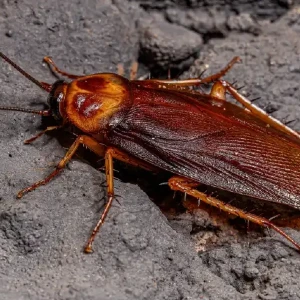
- American cockroaches – the large, reddish-brown roaches most Floridians know as palmetto bugs—are primarily outdoor insects that live in storm drains, palm tree canopies, mulch beds, and other warm, damp environments. Seeing one or two indoors during spring doesn’t necessarily indicate an infestation, but it does suggest exterior conditions around your home are attracting them. Homes with mature landscaping, dense mulch beds, or aging drainage systems tend to experience higher pressure.
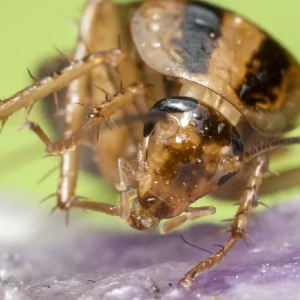
- German cockroaches, by contrast, are almost entirely indoor pests. Smaller, lighter brown, and almost entirely indoor pests, they establish colonies in kitchens, bathrooms, and laundry areas where food, moisture, and warmth are consistent. They reproduce rapidly: a single female can produce hundreds of offspring in a year and remain hidden during the day, allowing populations to grow unnoticed.
The right approach depends entirely on the species involved: perimeter management and entry-point sealing for palmetto bugs, or targeted interior treatment at the source for German cockroaches. If you’re unsure what you’re dealing with, Florida Pest Control’s Pest Identification Library is a useful starting point.
Moisture: The Factor Most Homeowners Overlook
While most people associate cockroaches with food sources, moisture is often the stronger attractant. Based on Florida Climate Center data, average relative humidity in April can hover around 68% in drier inland areas and push above 80% closer to the coast, creating moisture conditions both around and inside residential properties. For cockroaches, this is ideal.
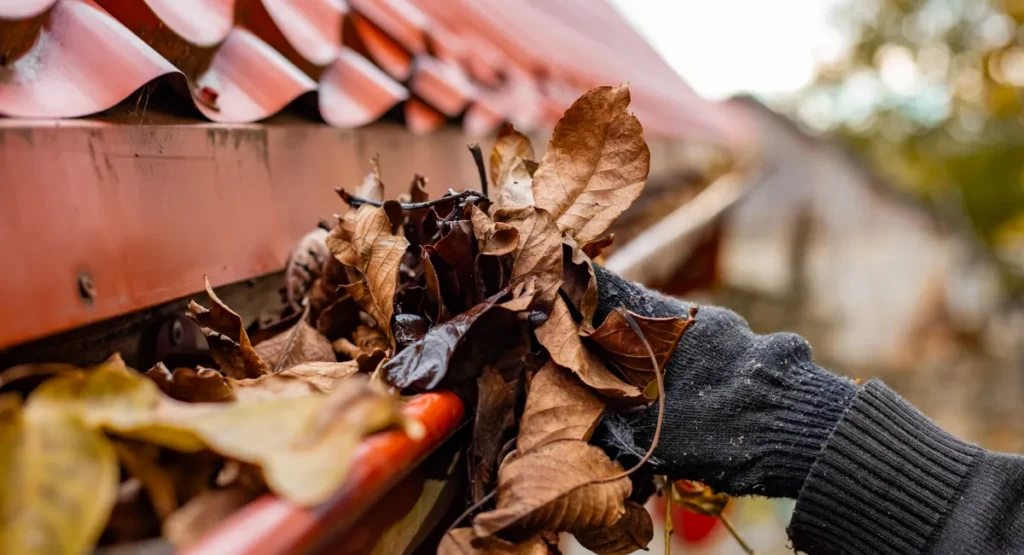
Outside the home, American cockroaches are attracted by damp perimeter conditions created by leaking outdoor taps and irrigation heads near the foundation, air conditioning condensate lines that drain against the house, poor drainage around garden beds and patios, and clogged gutters.
The factors that contribute to cockroaches inside homes follow a similarly predictable pattern:
- Bathrooms with inadequate exhaust ventilation, especially in older Florida homes, where fans may be undersized or vented into the attic rather than outside
- Leaking pipes under kitchen and bathroom sinks—even slow drips that go unnoticed for weeks
- Standing water in drip trays beneath refrigerators or washing machines
- Condensation around poorly insulated plumbing, such as garages or utility closets
Although reducing moisture won’t eradicate cockroaches by itself, it eliminates conditions that sustain them, making any control measures applied alongside it significantly more effective.
Florida Pest Control technicians routinely flag these issues during home pest inspections, and correcting them is often one of the most impactful changes a homeowner can make.
Do Store-Bought Solutions Work?
It’s a fair question, and one our technicians are regularly asked. Over-the-counter sprays, bait stations, and traps do have a place, but it’s important to understand their limitations:
- Surface sprays can kill cockroaches on contact, but they don’t reach the harborage sites where colonies actually live, such as behind appliances, inside wall cavities, or beneath cabinetry. Most also leave a chemical residue that cockroaches learn to detect and avoid, which can scatter a colony rather than eliminate it.
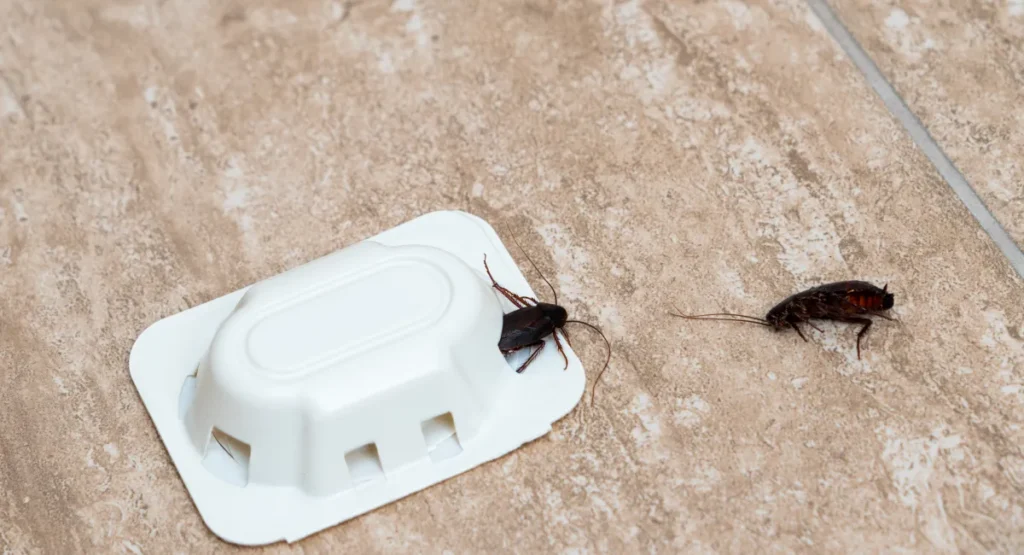
- Store-bought bait stations use slow-acting poison that cockroaches are meant to carry back to the colony. But consumer-grade formulations are typically less potent than professional products, and placement is critical. Even a few inches from an active harborage path can mean the difference between impact and irrelevance.
- Foggers (“bug bombs”), while widely available, are among the least effective options. They disperse pesticides into the open air rather than into cracks and voids where cockroaches shelter, often pushing them deeper into hiding rather than eliminating them.
For a lone palmetto bug that’s wandered in through a gap under the door, a store-bought solution may be perfectly adequate, but for recurring issues, any sign of German cockroach activity, or where DIY options fail to reduce the problem populations, professional treatment is the more reliable path: the difference comes down to access, product strength, and precision.
Getting Ahead of Cockroach Season
Some cockroach infestations are simply beyond the scope of DIY measures. If you’re seeing them during the day, finding droppings in kitchen drawers or cabinets, noticing a persistent musty odor, or spotting small roaches (likely German cockroaches) near appliances, it’s time to bring in an expert.
Spring is the right time to get ahead of cockroach season in Florida. Florida Pest Control’s residential cockroach control services identify the species, locate harborage sites and entry points, and apply tailored targeted treatments. For a more complete approach, our PestFree365+ program also includes scheduled seasonal treatments that help to manage year-round pests, with follow-up visits built in.
If you’re noticing increased activity around your home or simply want to make sure you’re prepared before summer, a conversation with a local pest professional is a sound next move.