

As summer shipping builds across Florida, manufacturing and distribution facilities face a common threat: pests hiding inside wooden pallets and crates arriving at their facilities.
While there are global regulations aimed at preventing the transfer of invasive species, the fact that pallets, crates, dunnage, and bracing timbers move through complex, multi-stage supply chains before reaching the final receiving dock increases your exposure risk.
For managers who need to protect their stock and keep work moving, the big question this summer isn’t just about the paperwork. You need to look beyond whether ISPM-15 (International Standards for Phytosanitary Measures No. 15) was applied at the start. The question is whether the materials arriving at your dock are still safe and pest-free today.
The Gap Between Compliance at Origin and Risk at Destination
ISPM-15 remains the global benchmark for treating wood packaging materials used in international trade. Heat treatment (HT) and methyl bromide (MB) fumigation are both approved treatment methods and have significantly reduced the volume of pest introductions at the border level.
However, the standard was designed to address risk at the point of export, not at the point of use. Once these materials start moving across the country, several things can wear down that first layer of protection.
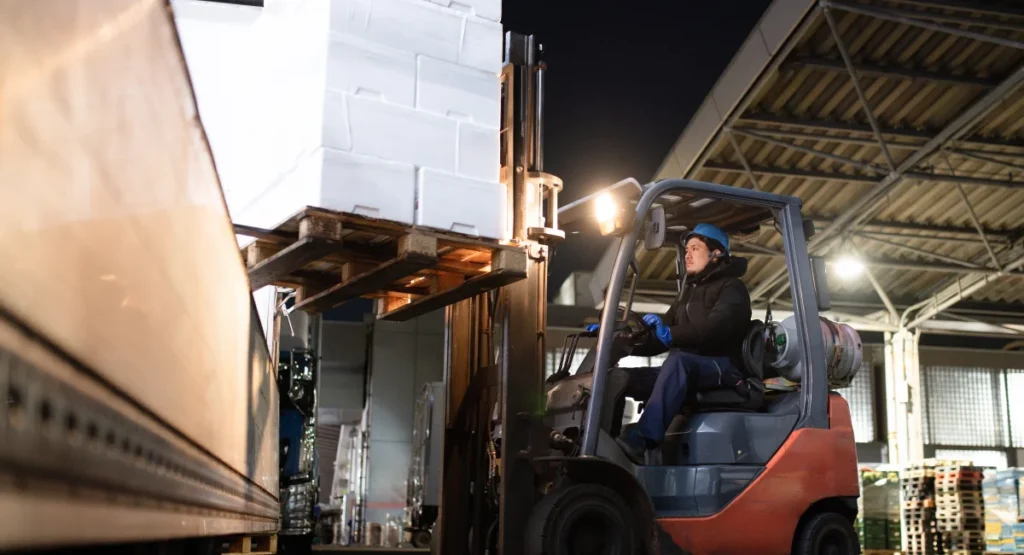
Pallets are routinely pooled, repaired, and recirculated without reinspection. Markings fade or become illegible. Structural modifications, such as replacement boards and added bracing, can introduce untreated wood into otherwise compliant units. For busy sites that handle hundreds of loads every week, it is impossible to check the status of every single pallet.
This creates an obvious blind spot: materials that appear compliant but no longer function as a reliable barrier against pest introduction.
Why Summer Changes the Risk Profile
Wood-boring insects follow temperature-dependent development cycles. In Florida, May marks the point at which warm weather speeds up larval development and triggers adults to emerge from infested wood.
As many introductions are invisible to the naked eye, infested materials can sit in storage or on racking for weeks before any signs of activity appear. When it occurs, it often happens in areas far removed from the original point of entry, that is, inside warehouses, near climate-controlled zones, or within outbound staging areas.
The seasonal risk matters because it reduces the window between introduction and operational impact. A pallet that arrived in March with no visible activity may produce emerging adults in June, precisely when facility operations, staffing, and freight volumes are at their highest.
Operational Consequences for Manufacturing and Logistics Facilities
A confirmed case of invasive wood-boring pests inside a commercial facility is rarely a contained event. The consequences tend to cascade across multiple operational areas simultaneously.
- Inventory and product integrity are the most immediate concerns. Facilities handling food ingredients, paper products, pharmaceuticals, or other sensitive materials face contamination risk if emerging pests spread into storage zones. Even in non-food environments, frass, exit holes, and live insects can trigger product holds or customer complaints.
- Audit and regulatory exposure increases when pest activity cannot be traced to a clear source. Third-party auditors, whether BRC, SQF, AIB, or client-specific assessments, expect facilities to demonstrate control over inbound pest pathways. Failure to explain how a beetle entered the facility suggests a gap in the broader pest management program.
- Supply chain disruption is a risk that many facilities underestimate. If a dangerous pest is identified, government officials may stop you from moving goods, require fumigation, or mandate enhanced protocols, all of which can slow you down.
- Reputational and contractual risk is a major concern for third-party logistics providers. If pests are found in your warehouse, you could lose your biggest clients or face expensive legal issues.
Rethinking Wood Packaging as a Managed Risk
Most facilities treat wood packaging as a commodity: functional, disposable, and largely invisible to quality and safety systems. Shifting that perspective is one of the most effective steps a facility can take to reduce exposure to invasive pests.
This does not require eliminating wood packaging or implementing impractical regimes. It requires integrating wood packaging into the facility’s existing risk management framework with a few targeted controls.
- At receiving: Establish clear criteria for rejecting or segregating wood packaging that shows signs of damage, modification, or missing ISPM-15 markings. Train dock staff to recognize the difference between cosmetic wear and structural compromise that may indicate pest risk.
- In storage: Avoid long-term buildup of packaging materials in or near the facility. Pallet storage areas, dunnage yards, and exterior staging zones are common collection points where pest populations can establish. Facilities managing large volumes of stored products and raw materials should pay particular attention to how packaging materials interact with inventory zones.
- Across the supply chain: When you can, talk to your suppliers and partners about their pallet standards and how they check for pests. Facilities that use shared pallet loops or get freight from many different places face a much higher risk. If this sounds like your site, you should check your incoming loads more often.

Connecting Inbound Risk to Facility-Wide Pest Management
Wood packaging risk is linked to the overall condition of your facility. Factors like structure, perimeter management, sanitation, and environmental controls determine how easy it is for pests to survive.
A beetle emerging from a damaged pallet near a dock door with poor sealing has a very different path than one emerging in a well-sealed, monitored area. The packaging may introduce the pest, but the facility determines whether it becomes a problem.
Commercial pest programs that connect inbound material risk with broader pest identification and monitoring strategies are better positioned to detect introductions early, contain activity before it spreads, and maintain the documentation trail that auditors and regulators expect.
For facilities with large footprints, exterior perimeter management is particularly important. Overhanging vegetation, standing water, and unmanaged green spaces adjacent to dock areas or storage yards can support pest populations, further compounding the risk. Addressing these conditions through coordinated wildlife and perimeter management reduces the overall pressure on interior controls.
Acting Before Summer Peak
The weeks between May and early June are your best time to act. This is the time to check receiving protocols, storage practices, and pest management programs before the summer heat hits. Facilities preparing for mid-year audits have an extra reason to close gaps now, while corrective actions can be documented and shown to inspectors.
This is not about overhauling operations. It is about ensuring that wood packaging, one of the most common and least scrutinized materials entering any logistics facility, is managed with the same rigor applied to other inbound risks.
Building Long-Term Resilience
Wood packaging will continue to move through global supply chains. Since Florida is a major trade gateway, its logistics facilities will remain at the frontline of exposure to invasive species.
Clear protocols, trained staff, and strong partnerships with experienced commercial pest management providers create a foundation that absorbs seasonal pressure without disruption.
Florida Pest Control partners with manufacturing and logistics facilities across the state to assess inbound pest pathways, strengthen receiving and storage controls, and deliver integrated programs that support compliance, continuity, and long-term operational resilience. If your facility is preparing for summer, now is the time to ensure your pest management strategy is keeping pace with your supply chain.