
There’s a certain appeal to the idea of defeating a cockroach infestation with something that sounds like it belongs in a geology lecture. Diatomaceous earth has become something of a folk hero in pest control circles, the soft-spoken alternative to chemical sprays, celebrated online and spoken of in tones usually reserved for ancient remedies. The question worth asking, before you reach for the bottle, is whether it actually does what people claim. The answer (as with most things in life) is that it depends on how you use it.
What Diatomaceous Earth Actually Is
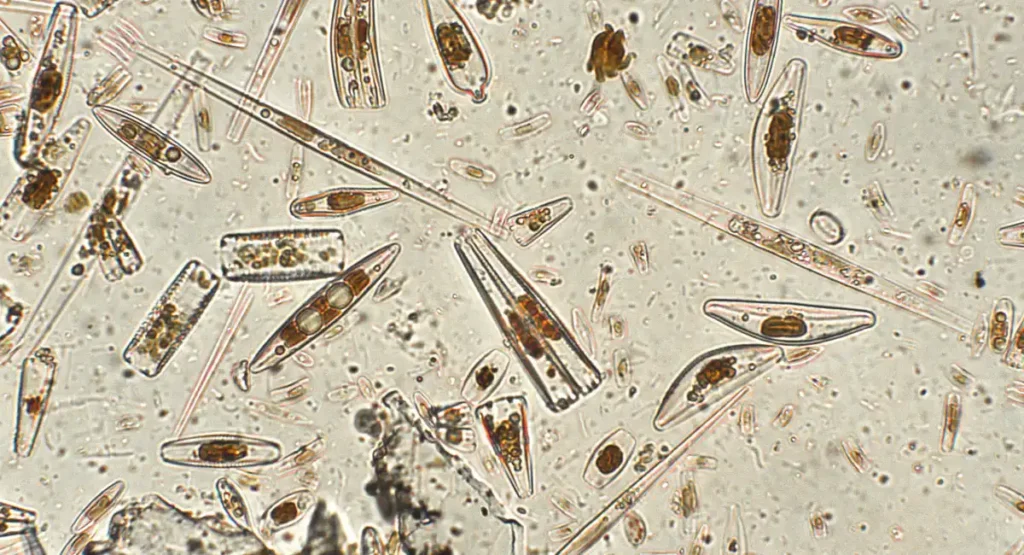
Diatomaceous earth (also called DE) does have a fascinating backstory. It’s made from the fossilized remains of diatoms, microscopic aquatic organisms that accumulated in underwater deposits over millions of years. When mined and milled into a powder, the result looks harmless enough: a fine, pale dust that feels almost silky between your fingers. Under a microscope, however, it’s considerably less welcoming. The edges are sharp and jagged at a microscopic level, and that’s precisely the point—or rather, millions of very precise points.
When a cockroach walks through a layer of DE, those tiny edges scratch the waxy coating on the insect’s exoskeleton. That coating is what keeps a cockroach from drying out, and once it’s compromised, the DE absorbs the oils and fats from the cockroach, which then dehydrates and dies.
Crucially, DE is an inorganic insecticide, meaning cockroaches can’t develop resistance to it the way they can to chemical treatments. That’s good news for you, and bad news for the cockroaches.
How to Use It Properly
So you spread some around, and the cockroaches die. Simple, no? Actually… no. The biggest mistake people make with diatomaceous earth is applying too much of it. A thick visible layer is actually less effective than a fine, thin coating because cockroaches will simply walk around anything that looks or feels unusual. The goal is a dusting so light it’s barely visible, placed precisely where cockroaches travel and hide.
You’ll want to put DE into a dry squeeze bottle or a dust applicator and apply it in a thin layer along baseboards, inside cabinet crevices, around plumbing penetrations, under sinks, and in any dark gap where cockroaches like to spend their time. To further complicate matters, DE must stay dry to work, since moisture neutralizes it entirely; something of a challenge in Florida’s humidity. Keep applications in dry, enclosed spaces and recheck them regularly.
Safety First
If you’re going down the DE route, here are a few important precautions:
- Wear a dust mask when applying DE. Inhaled in any quantity it irritates the nose and airways, and it’s not kind to eyes or skin either.
- Use food-grade DE. The pool filter variety is treated differently, and isn’t appropriate for home use.
- Plan for a long, long game. DE working alone can take three to four weeks to clear an infestation, and it won’t affect cockroach eggs, so continued applications over at least a month are necessary to address newly hatched nymphs.
What DE Can (and Can’t) Do
Diatomaceous earth is a legitimate tool, but it works best as part of a broader strategy rather than a standalone solution. It’s less effective than boric acid, for example, because it acts more slowly. Boric acid, mixed with flour and sugar as a bait, works faster because the cockroach ingests it rather than merely walking through it. DE relies entirely on physical contact and physical damage, which means its effectiveness is directly tied to whether cockroaches actually walk through it consistently.
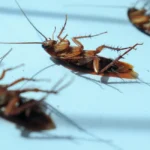
In Florida, where humidity is a constant fact of life and cockroach species include the large and resilient American cockroach as well as the fast-reproducing German cockroach, DE alone is rarely enough for a significant infestation. Used in dry, targeted spots alongside other control methods such as gel baits, insect growth regulators, and consistent sanitation, it contributes meaningfully to the overall effort. Used as the sole treatment for an established colony, it will kill cockroaches, just not quickly enough to get ahead of a population that’s actively reproducing.
Practical Steps and When to Call for Help
Good pest control starts before you open the DE. Remove clutter, particularly cardboard boxes and stacked paper, which cockroaches use as shelters and breeding grounds. Clean kitchen surfaces and floors every evening, store food in sealed containers, and fix any dripping faucets or leaky pipes. Moisture draws cockroaches in Florida as reliably as anything else, and removing it takes away one of their primary reasons to stay. Seal gaps around baseboards, plumbing, and door and window frames to reduce entry points.
Apply DE in thin layers to conceal, dry areas and maintain the applications for at least a month. Combine it with bait stations or gel bait placed near harborage areas for faster results. Vacuum up dead insects, shed skins, and old DE regularly using a HEPA filter vacuum, and reapply fresh dust.
If the infestation is well established, or if you’re seeing cockroaches during daylight hours when they’d normally be hiding, that’s a sign the population has grown beyond what home treatment is likely to resolve efficiently. Florida Pest has the local knowledge and professional-grade tools to deal with cockroach infestations properly, whatever the species and whatever the scale. Get in touch with our team and we’ll take care of the rest.