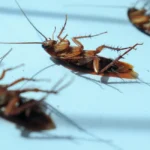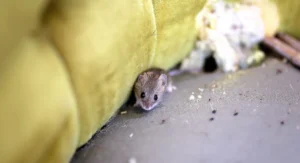

Florida is a remarkable place to live if you enjoy sunshine, warm evenings, and a variety of wildlife you never actually invited onto your property. Cockroaches are very much in that last category. Dealing with them is already a minor ordeal. Dealing with them when you have a dog or cat in the house adds a layer of complexity that most pest control products aren’t designed to accommodate. The good news is that the options available today are considerably better than they used to be, and with a bit of planning, you can clear a cockroach problem without putting your pet in the middle of it.
Why Standard Roach Treatments Can Be a Problem for Pets
From a pet’s perspective, the most aggressive roach treatments are generally the most hazardous. Aerosol sprays and bug bombs—those total-release foggers that promise to fill every corner of a room with insecticide—are popular largely because they feel decisive. In practice, they leave pesticide residue on surfaces that pets walk across, lick, and rest on, and their effectiveness against cockroach populations is genuinely modest compared to targeted treatments. In other words, the risks usually outweigh any real effectiveness by a fairly large margin.
What Actually Works (and Won’t Harm Your Pet)
Cockroach gel baits are probably the most effective pet-aware option available. The active ingredients in most modern gel baits are compounds like indoxacarb, which are toxic to cockroaches at very low doses but require a pet to eat an unrealistic quantity before causing significant harm. The bigger practical risk is that pets may be attracted to the bait and eat it before the cockroaches do, so placement matters. Apply small pea-sized drops in dry, hidden spots that cockroaches use as travel routes but that your pet can’t easily reach: inside cabinet hinges, behind appliances, under the sink, and along the back of shelving.
Food-grade diatomaceous earth is another strong option and one of the more genuinely low-risk treatments available. It works by physically damaging the cockroach’s exoskeleton, causing dehydration and death, and it presents no chemical toxicity to pets in the amounts used for pest control. If there’s one caution though, it’s the respiration factor: DE is a fine powder and can irritate the airways of both humans and animals if inhaled during application. Apply it when your pet isn’t in the room, use a light hand rather than piling it on, and keep applications to enclosed, dry spaces where it won’t get disturbed or damp.
Insect growth regulators, commonly called IGRs, are worth considering. They work by disrupting the cockroach’s development, by preventing nymphs from maturing and reproducing. Since they target insect-specific biology, their toxicity to mammals is very low. Some come as spray formulations that are safe for pets once dry, typically after a couple of hours. Others are small passive devices you can place in areas that cockroaches access without any spray or dust involved.

Natural Repellents That Are Safe Around Pets
Once you’ve cleared an infestation, you may well be looking at ways to keep cockroaches away without relying on chemical treatments. Here are a few natural options worth knowing about. Catnip, improbably enough, works as a cockroach repellent. The compound nepetalactone that makes it irresistible to cats, is deeply off-putting to cockroaches, and small sachets placed in kitchen cabinets and pantries can help deter them. It’s also entirely safe for both cats and dogs.
Rosemary oil diluted with water and applied as a spray around entry points, behind appliances, and in areas with cockroach activity can work both as a repellent and, against some species, as a contact killer. It’s considerably safer for pets than most essential oils used in pest control, many of which are toxic to dogs and cats at even low concentrations. That said, keep the dilution sensible and don’t apply it directly to surfaces your pet regularly contacts.
Cleaning is the most reliable long-term repellent of all. Removing food residue from surfaces every evening, storing pet food in sealed containers, picking up water bowls overnight, sealing garbage bins, and eliminating clutter all reduce the conditions cockroaches depend on. Florida’s climate means they’ll always be looking for a way in. Making the interior less welcoming is the most consistent defense available.
When to Call a Professional
Cockroach populations grow fast—really fast. A few individuals become dozens within weeks, and the majority of a colony is almost always hidden somewhere inaccessible to a spray bottle or a dusting of DE. If you’re seeing cockroaches during daylight hours or finding evidence in multiple rooms, the infestation has probably been developing for longer than the visible signs suggest.
Professional treatment doesn’t have to mean abandoning your pet-safe goals. The key is to tell your pest control provider about the animals in your home before any treatment begins. A good pest control company will plan around that, choosing targeted baiting and growth regulator strategies over broad chemical applications and advising you on how long to keep pets away from treated areas while products dry or settle.
Florida Pest has the experience and local knowledge to deal with cockroach infestations properly while keeping your household, pets included, out of harm’s way. Get in touch and we’ll take it from there.