
Nobody wants to find droppings in their home. But there you are, pulling something out of the back of a kitchen cabinet, and the evidence is right in front of you. Small, dark, and definitely not food. The instinct is to clean it up and move on, but the smarter move is to look a little closer first. Identifying what left those droppings isn’t a minor detail; it’s the difference between setting mouse traps and calling in a roach treatment. And if you take the wrong approach, you won’t just fail to solve the problem—you’ll give it more time to grow.
Mouse Droppings: What They Look Like, and Where to Find Them
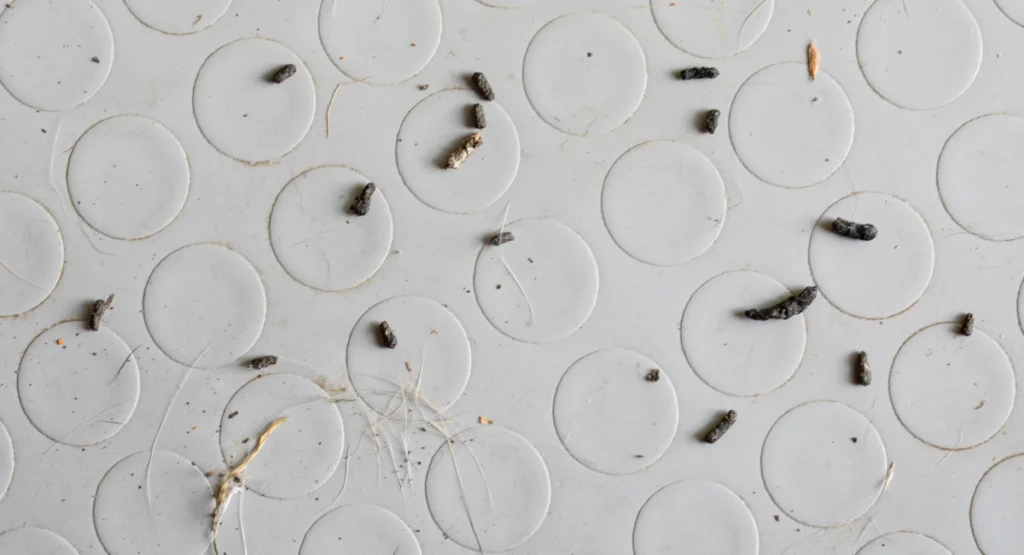
Mouse droppings are rod-shaped pellets, roughly one-eighth to one-quarter of an inch long. Dark, slim, and slightly pointed at both ends, they look a good deal like a grain of rice that’s had a difficult week. Fresh droppings are black and carry a faint sheen. As they age they turn grey-brown and crumble when disturbed. That aging process is actually useful information: it tells you whether you’re looking at an active problem or the remnants of one that may have already moved on.
A single mouse leaves between 50 and 75 droppings a day, which is a remarkable output for something the size of a thumb. They don’t leave them randomly. Mice are habitual and slightly neurotic in their routines, following the same paths along walls and behind appliances, depositing as they go. You’ll find the evidence in trails rather than piles: along baseboards, inside cabinet drawers, under sinks, and anywhere undisturbed enough to feel safe. In Florida’s climate, where mice can operate indoors and outdoors throughout the year, kitchens and pantries are their first port of call.
Cockroach Droppings: Smaller, Different, and Telling Their Own Story
The single most reliable rule for cockroach droppings is this: they’re never pointed. Both ends are blunt and rounded, and the surface, if you look closely enough, shows fine ridges running along the length. That alone should make identification simple, but cockroaches are not known for their consideration, and dropping size varies considerably by species.
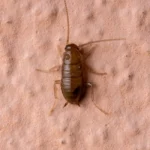
German cockroach droppings are tiny, resembling ground black pepper or coffee grounds scattered near the back of a cabinet. American cockroach droppings are a different matter entirely, reaching around an inch in length, clearly ridged, and dark brown. Florida hosts both species in abundance, along with oriental and smoky-brown varieties that fall somewhere between the two extremes.
Fortunately, there is one huge clue, and that’s location. Cockroaches are accomplished climbers, and their droppings show up accordingly: on upper shelving, in ceiling corners, on top of appliances, and clustered around the warm motor housing of a refrigerator or the underside of a dishwasher panel. They drop where they rest, and they rest close to heat, moisture, and anything edible.
And here’s one additional thing to watch for: cockroach egg cases, called oothecae, are sometimes mistaken for large droppings. They’re capsule-shaped, brown, and around eight millimeters long. An empty case means the nymphs have already hatched and are somewhere in your home; an intact one means they shortly will be.
A Quick Guide
Mouse droppings
- Droppings have pointed ends
- Size of a grain of rice or larger
- Scattered along trails and forage routes
Cockroach droppings
- Droppings have blunt ends
- Size varies from small specks to the size of a rice grain
- Found in piles, generally above ground level
What to Do Once You Know What You’re Dealing With
The groundwork is the same regardless of which pest left the evidence. Remove clutter from undisturbed spaces, especially in kitchens and utility areas where both pests prefer to establish themselves. Seal food in airtight containers, clean cooking surfaces each night, and fix any dripping faucets or leaking pipes. Moisture is a primary draw for both cockroaches and mice, and Florida homes in particular can inadvertently provide it in quantity.
For mice, snap traps placed perpendicular to walls with the trigger facing the baseboard remain the most effective immediate tool. Use more than you think you need and check them every day. For cockroaches, gel bait applied in small amounts close to harborage areas, combined with boric acid or diatomaceous earth in dry, concealed spaces, works across the broader population. Insect growth regulators can break the reproductive cycle and stop nymphs from reaching adulthood.
That said, in Florida the warmth, humidity, and access that both pests rely on are available more or less continuously, and what presents as a minor discovery often reflects a larger situation than the visible signs suggest. A professional inspection tells you what you’re actually up against and gets the right treatment in place from the start. Florida Pest knows the local species, the local conditions, and the approaches that genuinely work. Give us a call and we’ll handle the rest.