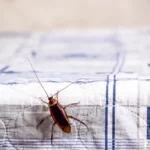

When dealing with a cockroach in your home, you may wonder if it can bite humans. The answer is yes, but it doesn’t happen often. While cockroaches have strong, chewing mandibles (mouthparts) capable of pinching skin, actual bites on humans are incredibly rare.
In fact, cockroaches actively avoid people, using their sharp jaws instead to tear apart soft foods, fruits, and decaying matter scavenged from dumpsters and trash bins. Since they forage in the dirtiest places, the pathogens they spread present a far greater household health risk than a physical nip.
Let’s explore the reality behind cockroach behavior and how to keep your family safe.
Why Cockroaches Bite Humans
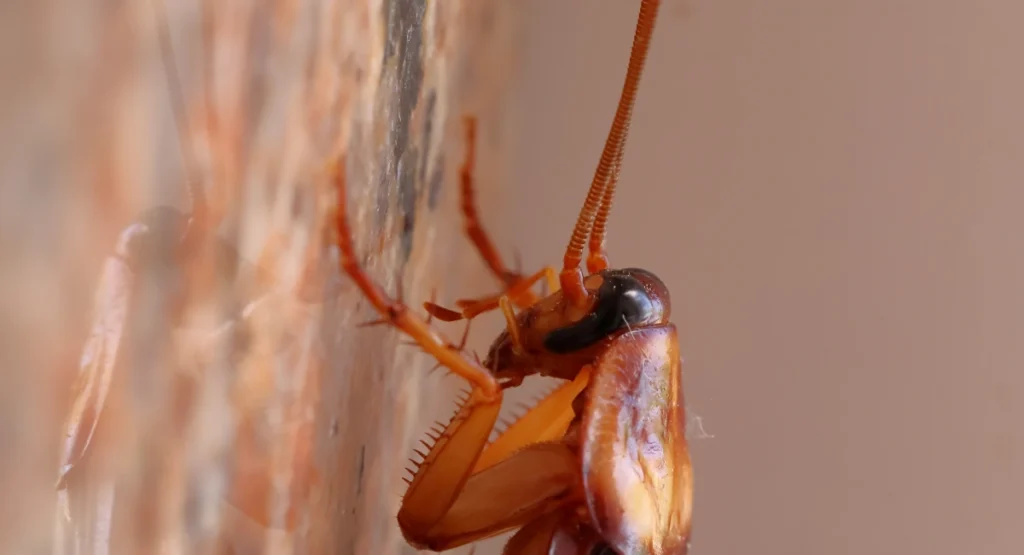
Humans aren’t a natural food source for cockroaches, and while their mandibles are strong, they generally cannot break human skin. You’re much more likely to be stung by a bee or wasp, or bitten by bed bugs, mosquitoes, or even spiders than by a cockroach.
However, in cases of severe infestation where other food sources are scarce, they may pinch people, potentially causing mild irritation, redness, swelling, or infection. The first sign you’ve been bitten is a red bump, similar to other insect bites, that may itch or swell. If bitten and you experience any reaction, seek advice from a healthcare professional.
If you wash the bite site and keep it clean, there’s little risk, but if you’re sensitive to insect bites, you might have a reaction. Contact your medical practitioner if you have any concerns after a bite.
Florida has several types of cockroaches, such as the American cockroach, German cockroach, and Florida woods cockroach. The German cockroach is the most common one found indoors and is most likely to appear in large enough numbers to pose a bite risk. Knowing which species you have can help you figure out how serious the infestation is and how quickly you need to act.
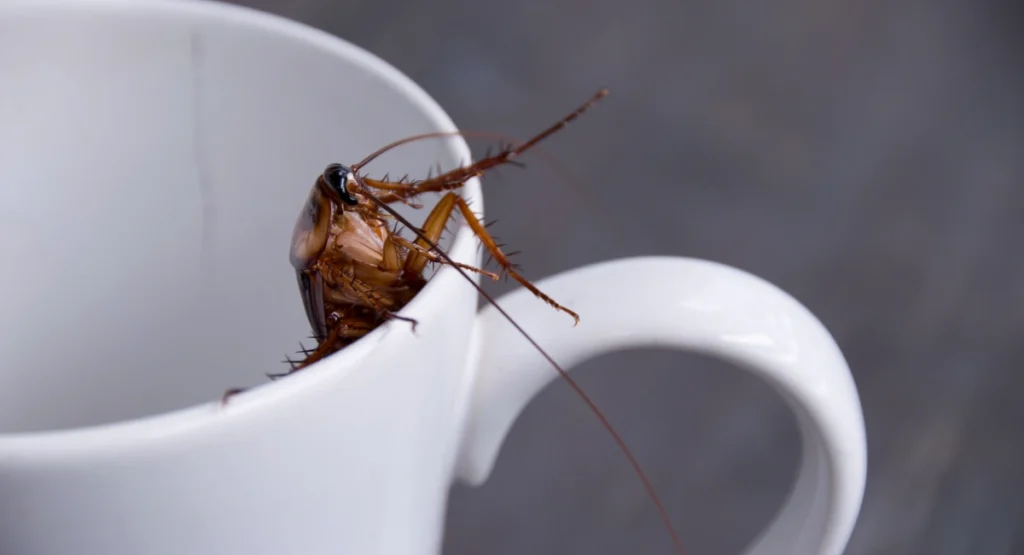
What Happens if a Cockroach Bites You?
Cockroach bites are rare, but when they do occur, they often target exposed toes, fingers, and the face. The bites themselves are usually more irritating than painful, similar to a mosquito bite: itchy, red, and mildly swollen. Most heal on their own within a few days.
If you’re bitten, wash the area thoroughly with soap and water and keep an eye on it. If redness, swelling, or discomfort worsen rather than improve, or you experience an unusual reaction, you should see a doctor.
Overall, when it comes to cockroaches, the bacteria they carry is a greater concern than their bites. Roaches scavenge through garbage, sewage, and other unsanitary environments, picking up pathogens along the way. They can then spread this bacteria through their saliva, feces, and bodies, contaminating surfaces and food. While cockroach bites don’t directly transmit disease, an infected bite can still lead to further complications.
The Real Health Risk: What Cockroaches Spread
Cockroaches often carry bacteria such as Salmonella and E. coli, which they pick up from sources like drains, garbage, and sewage. When they walk on your countertops, food prep areas, or utensils, they can spread these germs directly.
Cockroach droppings, shed skin, and saliva can also cause allergies. For people with asthma or breathing problems, especially children, these allergens can trigger or make symptoms worse. The Asthma and Allergy Foundation of America says cockroach allergens are one of the most common indoor triggers for asthma attacks, especially in cities.
This is why having cockroaches is a health problem, not just an annoyance. The longer you wait to deal with them, the higher the risk of your home becoming contaminated.
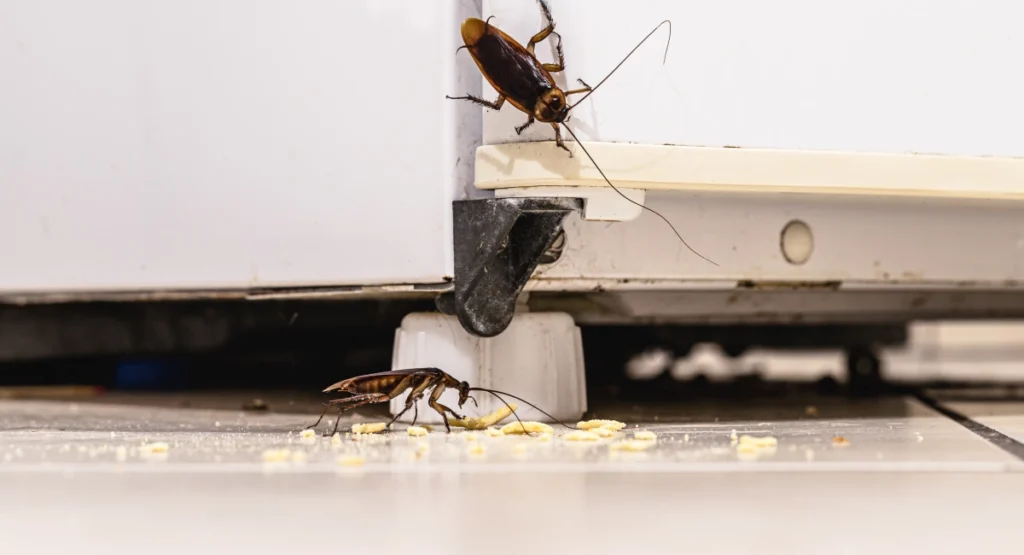
Can You Get Rid of Cockroaches Yourself?
You can try DIY methods like bait traps, gel baits, and store-bought sprays. These might help for a little while, but they usually don’t fix the main issue. Cockroaches are tough, and German cockroaches especially have become resistant to many sprays. Their egg cases are also strong enough to survive most surface treatments, so new cockroaches can appear even after you think they’re gone.
If you want a long-term solution, hiring a professional offers stronger protection. Our experts at Florida Pest Control can identify which type of cockroach you have, find where they are hiding, and use treatments that work at every stage of their life cycle. Store-bought products usually can’t do all of this.
Florida Pest Control Exterminates Cockroaches
The best way to avoid cockroach bites is to call your local Florida Pest Control office. Our specialists know how to identify the type of roaches you have and where they’re coming from. With this knowledge and our treatments, we can find their hiding spots and get rid of them for good.
Florida Pest Control also offers solutions for homes and businesses to keep cockroaches from returning. Don’t let roaches become a bigger problem; contact Florida Pest Control today to reduce your risk of bites.