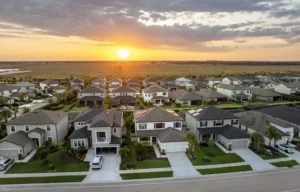

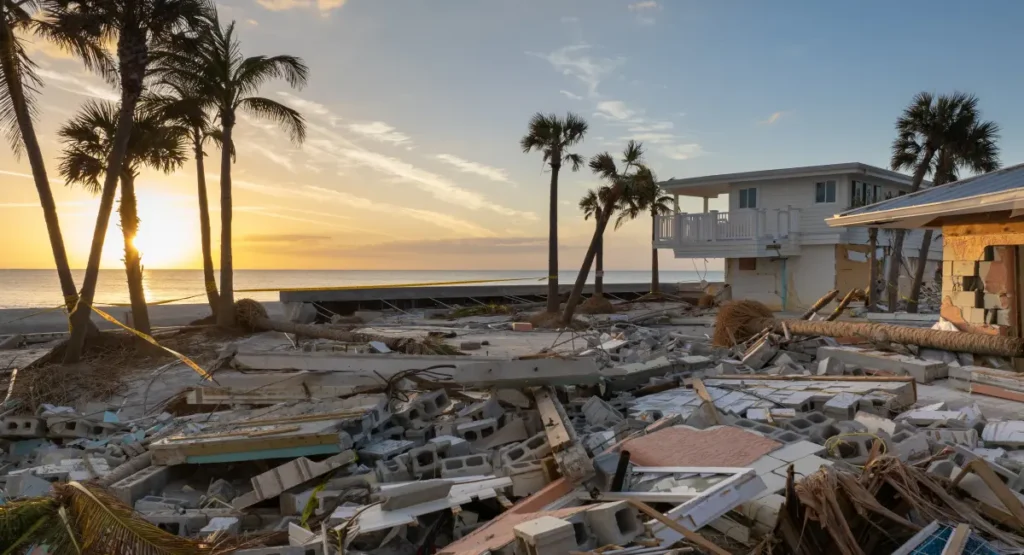
Every August, Florida braces for the storm and hurricane season, which routinely leaves properties damaged and exposed. While homeowners watch for leaks and missing shingles, wildlife search for a way inside to escape the elements. The wind and rain that batter your roof also destroy the outdoor burrows and nests that animals depend on, leading them to seek alternative shelter in attics and outbuildings.
Even minor storm damage can compromise your home. While a slightly lifted soffit or cracked eave might seem like a small cosmetic issue, to a rat or bat, it’s an open invitation. Don’t underestimate these small gaps—they are often all it takes for wildlife to move in.
Why the Threat Spikes After the Rain
The obvious damage from a storm happens in minutes, while the wildlife problem develops over the days that follow. When flooding and high winds wipe out natural shelter, displaced animals don’t wait for their habitat to recover—they relocate immediately to the nearest building.
Attics are a major target as they are warm, dry, quiet, and rarely checked. Before you know it, you’re sharing your home with a colony of bats, a scurry of squirrels, or a mischief of rats that can cause extensive damage.
How They Get In
You don’t need a gaping hole in your roof for wildlife to get inside. Storms often create small, cumulative weak points that are easy to miss from the ground:
- Lifted or missing shingles exposing the decking underneath
- Loosened soffits and fascia that open the roof-to-wall seam
- Damaged vents and flashing leading straight into the attic
- Cracked or separated eaves, a well-worn path for rats, squirrels, and bats
It’s important to remember that size isn’t a barrier. A quarter-sized gap is enough for a rodent, and a bat can slip through an opening less than an inch wide.
Who is Moving into Your Attic?
In the days following a storm, several Florida species are quick to exploit these openings, though a specific few account for most attic activity:
- Roof rats: Agile climbers that gravitate toward enclosed, elevated spaces. They reproduce rapidly, so a small intrusion can become an established infestation within weeks.
- Squirrels: Persistent gnawers that widen existing gaps and chew through storm-weakened wood, wiring, and insulation.
- Raccoons: Strong and dexterous, capable of forcing open soffits and vents. They often nest to raise young, which adds both damage and complexity to the removal process.
- Bats: Drawn to the smallest roofline gaps, where they establish roosts quickly and quietly.
Wildlife removal isn’t always straightforward either, because Florida is subject to legal constraints many homeowners aren’t aware of. Bats in particular are protected under state law and may be excluded only outside the maternity season, which runs from mid-April through mid-August. Attempting to remove or seal them out during this window is illegal, can result in penalties, and could leave trapped, dying animals inside your walls.
This is precisely why post-storm wildlife issues are best handled professionally. Correct identification, lawful timing, and humane removal aren’t just good practice; they protect you from compliance risks. For protected and legally sensitive species, our licensed team provides nuisance wildlife control services that comply with all applicable Florida regulations.
Impact of Wildlife Intrusion
Once settled inside your home, wildlife goes to work. Rats gnaw constantly, often chewing through electrical wiring and creating a very real fire risk, and all wildlife can contaminate insulation and stored items with urine and droppings. Not only does this introduce airborne health risks into your living space, but damaged insulation also loses its thermal efficiency, leading to higher cooling bills during Florida’s peak heat. The deterioration is often extensive enough to require attic insulation services once the infestation is resolved.
To make matters worse, wildlife in the attic is noisy and disruptive, leading to stress and anxiety among homeowners.
Crucially, an unsealed entry point serves as a beacon for other pests, and the cost of structural repairs, insulation replacement, and wiring damage can run into thousands of dollars.

What to do After a Storm
Catching wildlife issues early on helps prevent extensive damage and mounting repair costs. Use this checklist after every storm to ensure your home remains secure.
- Scan from the yard: You don’t need a ladder. Simply walk the perimeter and look up for sagging eaves, shifted shingles, or daylight peeking through the roofline.
- Listen closely: Pay attention at dusk and dawn. Scratching, scurrying, or thumping overhead is the most reliable symptom of an active infestation.
- Check the attic: Cautiously pop your head into the space to check for disturbed insulation, animal droppings, or visible daylight coming through the roofboards.
If you notice these signs, do not try to patch the hole yourself. Sealing a live animal inside will only compound the damage and lead to severe odor issues. Professional rodent removal and exclusion ensures the process is done in the correct, safe sequence: inspect, extract, and seal.
Secure Your Home Before the Next Weather Front
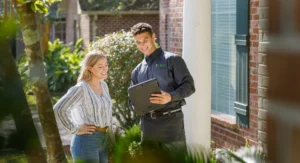
A professional inspection can identify and reinforce vulnerable entry points against Florida’s harsh climate, ensuring your home is fortified before the next weather event. If you are concerned about the condition of your roofline or attic after recent storms, contact our home service team to assess your property and secure it against future wildlife intrusions.