
When you walk through your home looking for pest problems, you probably check the obvious places—under the sink, around the garage door, maybe the attic if you’re thorough. A Florida Pest Control technician checks all of those, too, but then keeps going, looking in places you’ve probably never thought of.
If there’s ever a time for a more thorough check, it’s now, when Florida’s summer rain drives ants, roaches, and rodents inside for shelter. This seasonal pest influx also coincides with increased termite, mosquito, and chinch bug pressure.
Below are 10 inspection points our technicians are specifically trained to check, along with details on what they tend to find.
1. Weep Holes in Brick Veneer
Those narrow vertical slots near the base of a brick wall exist to vent moisture out of the cavity behind the brick. They also let roaches, ants, and small rodents walk straight in. A professional checks for activity at each weep hole and determines whether stainless steel guards are appropriate—never caulk, which traps moisture and causes more problems than the pests would.
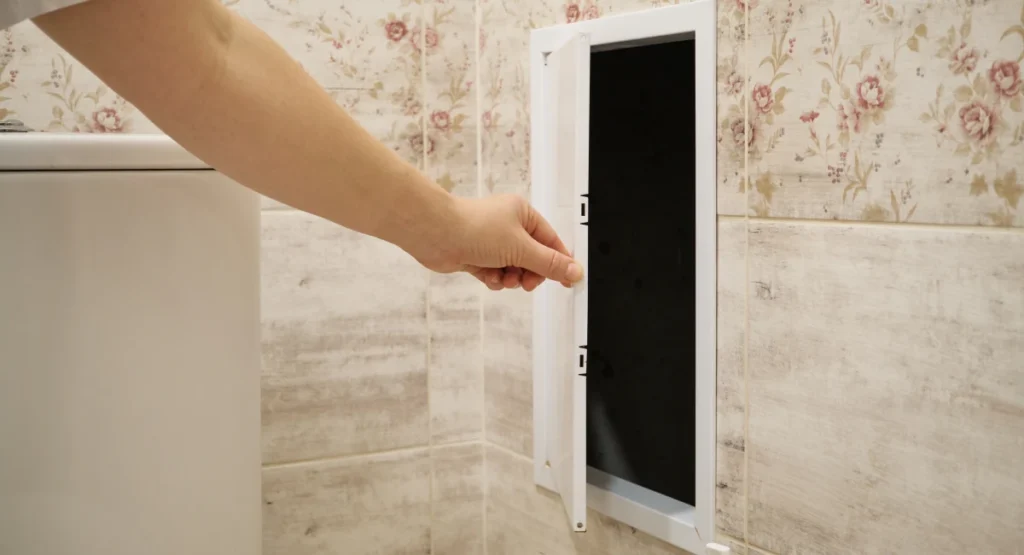
2. The Bathtub Access Panel
There’s probably an access panel behind or beside your bathtub. Most homeowners have never opened it. Behind that panel is a wall cavity, an exposed pipe, and a hidden, humid environment that German roaches and silverfish actively seek out. It’s one of the first places a tech will look if you’ve reported activity in a bathroom.
3. The Dryer Vent Flap
The exterior flap on your dryer vent should close fully when the dryer isn’t in use. In practice, lint jams the hinge, the spring weakens, and the flap stays permanently half-open, creating a warm, soft-walled tunnel into your laundry room. We routinely pull rodent nests, lizard eggs, and wasp combs out of these.
4. Utility Penetrations
Every utility line that enters your home, whether electrical, cable, refrigerant, gas, water, passes through a drilled hole that’s slightly larger than the line itself. The original seal (usually expanding foam or putty) degrades quickly in Florida heat. A mouse needs a gap the diameter of a pencil. Ants need none at all. This is consistently one of the highest-yield checks on a professional pest inspection. Utility penetrations should be inspected every year and foam seals replaced before they become open invitations.
5. Garage Door Bottom Corners
Close your garage door, step inside, and look at the two bottom corners. If you can see daylight, you have an open door for rodents, roaches, and snakes. The rubber bottom seal compresses and shrinks back from the vertical track over time, leaving a triangular gap that homeowners rarely notice because they only see the door from outside. If the seal is compressed or pulling away from the track, replacing it is a straightforward fix that eliminates one of the most common ground-level entry routes.
6. Soffit and Roofline Transitions
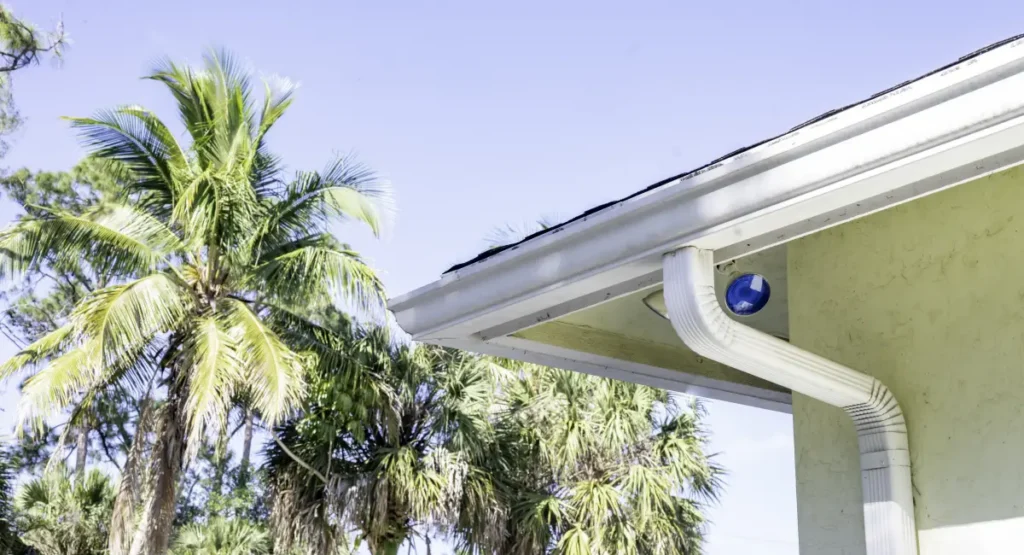
The places where your roofline changes direction—soffit corners, gable ends, the junction between two pitches—are where construction trim is most likely to leave a small gap. From the ground, these gaps are invisible. From a ladder, they’re an open invitation to rats, squirrels, bats, and wasps. Wildlife intrusions almost always start at the roofline, which is why attic and roofline entry points are assessed during routine service visits.
7. AC Condensate Line Termination
Your air handler dumps several gallons of water a day out through a small PVC line that ends somewhere along your exterior wall. That endpoint is always damp, and in Florida, persistent moisture is the single strongest pest attractant. We check for ant trails leading to it, mosquito larvae in any pooled water, and whether the line termination needs screening.
8. Electrical Panel Exterior and Junction Boxes
Rodents like electrical enclosures: dry, dark, slightly warm, and full of chewable insulation. A trained eye can read the outside of a panel, such as gnaw marks on the conduit, droppings on the lower lip, grease rubs along the entry point, and tell you whether something has been living in it. Chewed wiring is a documented cause of residential fires.
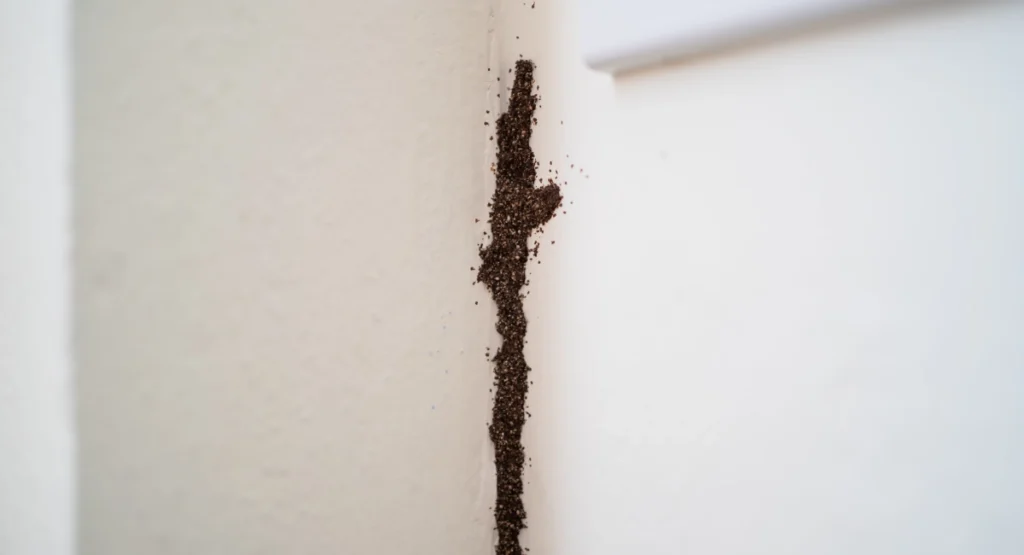
9. The Slab-to-Wall Expansion Joint
Walk around your home’s perimeter and inspect the seam where the concrete slab meets the exterior wall. That joint, even when tight, is one of the primary entry routes for subterranean termites, which are at peak swarming season in Florida from spring through early summer. The first visible sign of trouble is a thin mud tube bridging the gap. If you find one on an exterior wall, it should be removed as soon as possible to prevent structural damage.
10. The Attic Stair Pull-Down Stair Frame
The folding attic stairs in your hallway ceiling are framed into drywall, and that frame is not always sealed properly. Closed, the stairs sit against a gap that runs the full perimeter of the opening, directly into the attic. Anything living in your attic will use that gap to move into the living space at night. During an inspection, the seal and weatherstripping are checked, and a decision is made on whether the frame needs new gaskets.
Time for a Professional Inspection?
The 10 locations described here are not property defects; they are built into your home for a reason: ventilation, drainage, access, or movement. However, all of them are pest pathways waiting to happen. This has nothing to do with cleanliness and everything to do with property maintenance, and knowing what to look for.
Our local experts check multiple locations and are trained to recognize early signals—a single mud tube, a fresh gnaw mark, a faint ant trail—long before they become a major issue. If you haven’t had your home checked recently and are worried about pests, start with a free home pest inspection or explore our residential pest control services for more information.