

Look at the active work orders in any Florida property management office this June, and you will see a team stretched to its limit. Between student move-outs, seasonal relocations, family vacations, and the standard summer rush, turning units quickly is the top priority. While pests like mosquitoes thrive in the humid weather, bed bugs rely on this massive wave of human movement to find new homes.
According to entomological research, bed bug activity reliably peaks during the summer travel season. For multifamily operators, a single hitchhiking pest missed during a rushed turnover can quickly multiply, eventually turning a standard unit refresh into a pest crisis.
However, the solution is not to force your already burdened team to conduct lengthy, formal inquiries and inspections. The key to staying ahead this June is workflow efficiency: helping maintenance and turnover crews know exactly where to glance, what to flag, and when to escalate an incident.
Why Formal Spot-Checks Fail During the Summer Turnover Rush
Most property teams already know bed bugs are a risk. The real problem is time.
In June, technicians are completing unit turnovers, handling HVAC calls, swapping locks, touching up trim, replacing blinds, checking outlets, and clearing punch lists. Asking them to add a separate, dedicated bed bug inspection to every task sounds sensible on paper, but it can be difficult to sustain day in, day out during busy periods. When the schedule is full, a formal inspection can easily turn into a “we’ll come back later,” and later is usually after a resident complaint.
That is also what makes bed bugs so disruptive in multifamily housing. They are easy to miss at an early stage, and the first report is not properly documented or confirmed. Bites alone are not reliable proof, and reactions vary from person to person. By the time a complaint sounds urgent, the issue may already involve adjacent units, frustrated residents, emergency vendor calls, and disrupted turnover schedules.
A better June strategy is simpler: stop treating bed bug awareness as a separate step and start building it into the work your teams are already doing.

The Better Approach: 60 Seconds Added to Existing Work Orders
A useful bed bug check is often not a highly technical process. It is a fast, informed visual sweep to catch hitchhikers that arrive on luggage, clothing, soft goods, used furniture, and other belongings.
Guidance from the U.S. Environmental Protection Agency (EPA) emphasizes that bed bugs can easily spread between adjacent apartments once introduced into a building. In fact, their guidelines suggest that property managers evaluate units on both sides, as well as above and below, for an active infestation.
So the question for June is not, “Who has time to inspect every unit?” It is, “Where can our team glance while completing the work already scheduled?”
That 60-second sweep costs almost nothing. Missing early signs, however, can lead to resident complaints, unit downtime, adjacent apartment checks, labor-intensive treatment, and avoidable strain on staff time. For property operators, the effort is vastly outweighed by the expense of an escalating infestation.
Where Maintenance Teams Should Look During Routine Summer Tasks
When you integrate pest awareness into routine maintenance, the aim is to equip staff with a short list of high-value hiding spots connected to real, daily work orders.
- When removing an outlet or switch plate
Bed bugs use tight cracks and edges of wall voids to hide and travel. If a technician is already opening a plate to check a short or replace a fixture, it is worth a quick look for dark spotting, shed skins, or live insects near the edges. - When repairing baseboards, trim, or loose flooring transitions
These are the exact types of narrow, undisturbed spaces bed bugs prefer. A quick glance at seams, cracks, and wall-floor junctions can catch signs before the population expands. - When turning furnished units or model units
Mattress seams, bed frames, headboards, upholstered chairs, sleeper sofas, and luggage racks require more attention than open floor space. Entomology-based guidance consistently points to seams, folds, and headboards as high-risk hiding spots. - When checking closets, shelving, or resident left-behind items
June often involves abandoned furniture, soft goods, and storage clean-outs. This is a common route for pests to move between residents and units, especially when turnover teams are working fast. - When handling laundry-room, common-area, or corridor reports
While strongly associated with resting areas, bed bugs still move through shared spaces on bags, carts, and personal belongings. If multiple low-level reports surface within a single stack or building section, that pattern demands attention.
What Early Signs Should Trigger a Faster Response?
Most initial findings are small and easy to dismiss. This is exactly why basic visual training is so valuable. In the first instance, teams should know to flag:
- Small black or rust-coloured spotting on seams, edges, or nearby surfaces
- Shed skins or tiny pale shells in cracks and joints
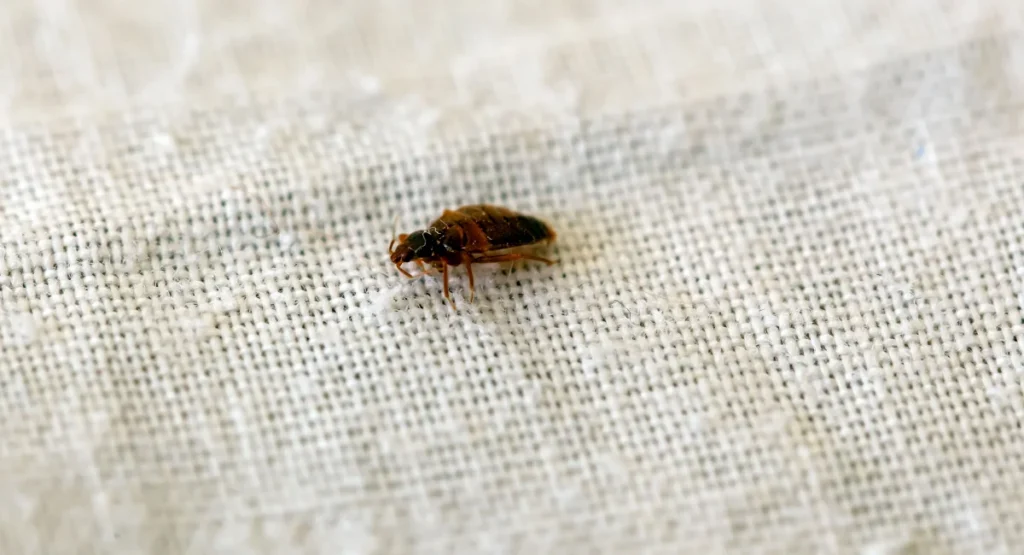
- Live reddish-brown insects in mattress seams, furniture joints, or wall crevices
- Repeat resident reports tied to one line of units or one furnished space
- Musty odors in combination with visible signs, especially in heavier activity
It is also important to train your team on which signs can be misleading. For example, bites alone are not enough to confirm an active population, and cleanliness tells you very little. Bed bugs are drawn to people and hiding places, not poor housekeeping. Understanding helps to prevent assumptions that can delay the right response and create unnecessary friction with residents.
Why the Florida Turnover Season Amplifies the Risk
According to a recent news report, travel-related infestations are currently surging across Southern states, including Florida. Budget-friendly travel, frequent regional movement, and busy hospitality corridors make it easier for bed bugs to hitchhike on luggage and clothing during peak seasons like summer. Student leases, family relocation, summer travel, vendor access, and unit refresh work in June all increase the number of opportunities for them to move unnoticed.
This simply means that June is a month when property managers benefit from greater environmental awareness, faster escalation protocols, and clearer internal communication.
For teams already balancing service standards, resident satisfaction, and asset protection, this is where a structured commercial pest program proves its worth. Property management pest control is built around the realities of occupied multifamily environments, where response speed, discretion, and coordination across units are just as important as the treatment itself.
Build Awareness Without Slowing the Team Down
The most effective June bed bug prevention plans are usually the simplest. Give technicians and turnover staff a short list of places to glance. Make escalation rules clear. Treat patterns seriously, and avoid waiting for a formal complaint with perfect evidence before acting.
In practice, a property manager does not need every technician to perform a long inspection. What they need is an aligned team that can recognize suspicious signs early and route them quickly to the right next step. When that happens, bed bug prevention becomes part of standard operations, not an emergency project that only gets attention after an issue is reported.
When there is already concern, a commercial partner can help confirm findings, assess adjacent risks, and recommend the appropriate response. Florida Pest Control’s commercial bed bug services and broader bed bug identification guidance can support that process without forcing your team into guesswork.
June will always be a demanding month. The practical win is not finding more time—it is making smarter use of the moments your team already has.