
Florida residents are no strangers to cockroaches. From the giant palmetto bug on the patio and the agile German cockroach in the kitchen to dark Oriental roaches, flying Asian roaches, and small brown-banded species, these pests are a year-round problem in the Sunshine State. The sight of one usually stirs up feelings of disgust or alarm, but when you move past the creepy factor, the true danger is far more subtle. Cockroaches are carriers of harmful bacteria and severe allergens, leaving behind a trail of contamination that puts your family’s health at risk.
It’s often an uphill battle to stop cockroach invasions in July, but there are ways to limit and reduce activity. Arming yourself with a few facts about their behavior and understanding their habits is a good starting point.
The Dirty Reality of Cockroach Habits
Cockroaches hang out in the most unsanitary of environments. In the wild, American (palmetto) cockroaches live in warm, damp sewer pipes, dumpsters, and decaying plant matter, while German cockroaches infest plumbing voids, kitchen pantries, and gaps under heavy appliances in homes.
The microscopic spines on their legs, their long antennae, and their underbellies act like sponges, soaking up millions of bacterial organisms from the trash and carrying them straight into your home. As they travel back and forth between biohazardous filth and your living areas, they spread bacteria across countertops, dishes, and cooking utensils.
Since cockroaches are nocturnal, you might be breathing in their allergens or eating contaminated food without ever seeing a live bug. Check hidden areas like the corners of cabinets, or behind baseboards and appliances, and look for warning signs like:
- A lingering musty odor in the kitchen or bathroom
- Dark speck-like droppings (resembling coffee grounds or black pepper)
- Discarded translucent skins
- Small, brown egg cases
Contamination and Illness in Your Kitchen
The sheer volume of germs cockroaches transmit is staggering. According to the National Pest Management Association (NPMA), cockroaches can spread 33 types of bacteria, six types of parasitic worms, and at least seven other human pathogens directly linked to urban infestations. Diseases and contamination are introduced through their droppings, saliva, and decomposing bodies, making them a significant risk to human health.
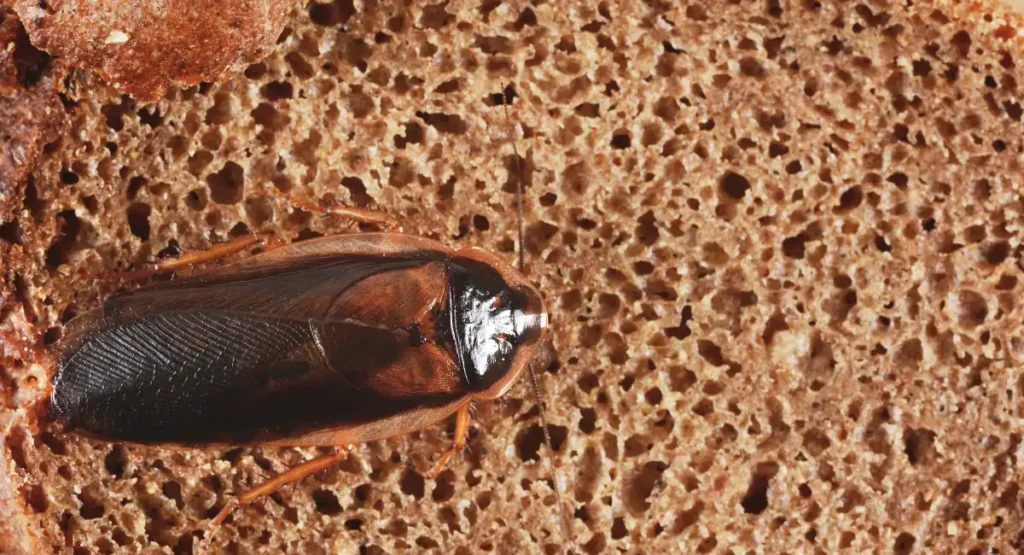
During the night, these pests will crawl all over your cutting boards, clean dishes, and exposed pantry items. They can easily squeeze into lightly sealed food packaging, leaving behind dead roach debris, shed body parts, and fecal matter directly inside the food you consume, massively increasing the risk of illness. As they forage, they leave behind an invisible, hazardous trail of saliva, shed skin, and fecal matter.
This total lack of boundaries creates a direct pipeline for serious bacterial infections. Some of the most common pathogens they drag into Florida homes include:
- Salmonella: Roaches frequently pick up this bacteria in garbage cans and deposit it onto kitchen surfaces. Exposure to Salmonella leads to severe food poisoning, intense stomach cramps, and high fevers.
- E. coli: This dangerous bacterium is found in sewage and animal waste, meaning palmetto bugs easily pick it up outdoors before squeezing under your front door. This can put your family at risk for major intestinal illnesses.
- Staphylococcus and Streptococcus: Both strains have been isolated from the bodies of roaches collected from typical residential homes, and are a particular threat to people with compromised immune systems.
- Pseudomonas aeruginosa: Found routinely on cockroaches, this pathogen is notorious for causing respiratory issues and persistent urinary tract infections.
The Invisible Danger in the Air
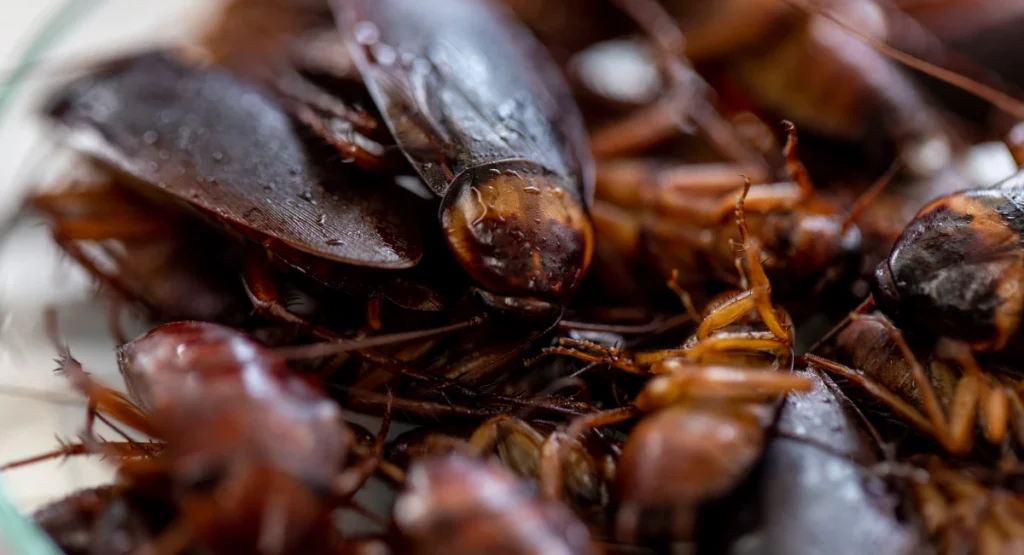
Most people don’t realize these pests can make you sick without even touching them. The risk comes from airborne pathogens: cockroaches produce specific proteins that trigger intense immune system reactions in humans, leading to chronic allergies and severe asthma attacks. These potent allergens are highly concentrated in their saliva, droppings, and decomposing body parts.
As an infestation grows behind your walls, the indoor environment becomes heavily contaminated in a few specific ways:
- Shed Exoskeletons: Cockroaches molt frequently as they grow, leaving behind hard, discarded shells that dry out and break down into a fine, highly irritating dust.
- Fecal Matter Accumulation: Roach droppings resemble black pepper flakes. As these accumulate in hidden cabinets and baseboards, they dry out and turn into airborne particles.
- HVAC Circulation: When your home’s air conditioning kicks on to beat the Florida heat, it circulates this contaminated, microscopic dust right through your air ducts and into the rooms where your family eats and sleeps.
For people without preexisting health issues, inhaling these proteins can cause prolonged allergy symptoms such as watery eyes, a persistent cough, severe sinus congestion, and itchy skin rashes. Because cockroaches survive year-round indoors, the reactions they trigger last much longer than typical seasonal allergies. If you or your children are experiencing allergic, sinus, or asthma symptoms that never seem to go away with the changing seasons, the true culprit might be a hidden indoor roach population.
However, for vulnerable groups, especially young children and the elderly, the side effects can be severe. Prolonged indoor exposure to cockroach allergens is widely recognized by the medical community as a major catalyst for chronic childhood asthma. You should see a medical professional if symptoms persist or worsen.
Actionable Steps to Protect Your Florida Home
These facts should motivate every homeowner to be proactive about protecting their home from cockroaches. Here is some practical advice on how to cut off their food, shelter, and water sources.
Eliminate Their Food Supply
Cockroaches are scavengers that can survive on crumbs and grease splatters.
- Transfer all pantry items into heavy, airtight plastic or glass containers
- Wipe down your stovetop every evening to remove microscopic grease, which is a major food source for German roaches
- Sweep the kitchen and dining room floors nightly to remove crumbs
- Keep tight-fitting lids on all trash cans
- Never leave pet food out overnight
Cut Off Their Water Sources
Cockroaches need liquid water to survive, and Florida homes naturally have high humidity.
- Check beneath sinks for dripping plumbing and fix any leaks immediately
- Ensure your refrigerator condensation pan remains clean and dry
- Turn on exhaust fans in bathrooms during and after showers to remove excess moisture from the air
Secure Your Perimeter
You have to physically block roach populations from entering to protect your home’s foundation.
- Seal foundation cracks and utility pipe gaps with a durable, silicone-based caulk
- Install high-quality door sweeps and pristine weatherstripping on all exterior doors
- Pull thick mulch beds and wet leaf litter away from your home’s foundation
Bringing in the Local Experts
Recognizing the severity of a pest infestation changes how you view your home’s safety. Cockroaches compromise your sanitation, spreading illness where you eat and ruining your indoor air quality. While deep cleaning and regular home maintenance are fantastic first steps, tackling an established infestation almost always requires professional help. Store-bought sprays and DIY baits simply fail to reach the deep wall voids and hidden nesting sites where cockroaches breed the fastest.
The trained local experts at Florida Pest Control use advanced, scientifically proven treatments to eliminate entire roach colonies directly at the source. By breaking their rapid breeding cycle and installing comprehensive perimeter barriers, our experts can help protect you from year-round activity.
Leaning on experienced professionals is the most effective way to safeguard your family from the unseen health hazards these resilient pests bring indoors.