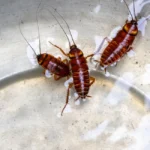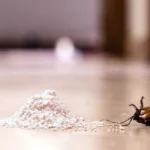

When a cockroach problem appears at home, attention naturally focuses on the adults moving across the floor and how to stop them. However, concentrating solely on adult populations will inevitably lead to treatment failure. To accurately measure the infestation and develop an effective eradication plan, attention must shift to tracing the developing eggs hidden behind appliances, under cabinets, and in wall cavities.
Cockroach eggs are laid inside a hardened, purse-shaped capsule called an ootheca, which is built to resist harsh conditions and common over-the-counter sprays. Failing to spot or remove these protective capsules almost guarantees the longevity of an infestation. Because the eggs’ incubation timeline acts like a biological ticking clock, understanding how it operates for different species is key to preventing major, recurrent outbreaks.
The Biological Armor: Understanding the Ootheca
Cockroach ootheca is formed from a protein substance that hardens into a rigid, protective shell. This casing serves as a miniature fortress, shielding developing embryos from predators, drying out, and even a significant portion of standard household chemical sprays.
Depending on the species, a female cockroach may deposit this egg case in an obscure, damp corner immediately, or she might continuously carry it attached to her abdomen until mere hours before the nymphs are ready to emerge. Rutgers Cooperative Extension notes that intact egg cases attached to females often survive routine spray applications, which is why surface treatments are largely ineffective.
Spotting the egg cases and knowing how long they take to hatch will help to determine the right treatment plan. Homeowners need to recognize that wiping out live adults is only the first step—the harder job is eliminating and removing egg cases before they hatch.
The Timeline: How Long Does it Take for Roach Eggs to Hatch?
Cockroach reproduction doesn’t follow a uniform timeline. Nymph development inside the protective capsule varies widely across species. German cockroaches develop faster than other common species, but they all produce eggs containing multiple nymphs, which will eventually lay their own ootheca.
German Cockroaches
Female German cockroaches carry their ootheca through most of their development. These protective mothers supply the eggs with continuous moisture. Under typical room temperature conditions, an egg case will hatch in just 28 days. Given that a single capsule can contain around 40 developing nymphs, a residential population can double in less than a month if left unmanaged.
American Cockroaches
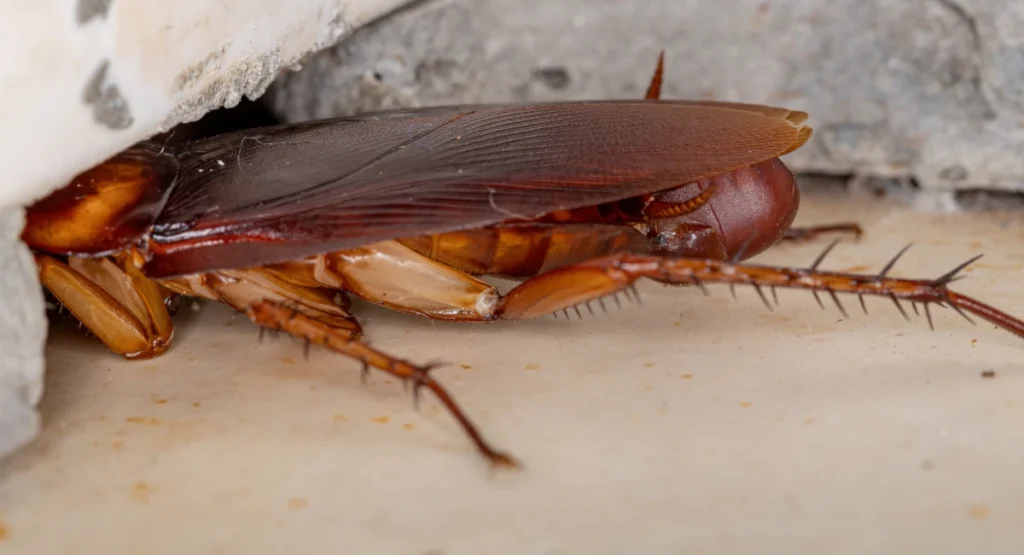
The American cockroach, commonly called the palmetto bug in Florida, behaves quite differently. Rather than carrying the eggs, the female will find a secure, dark, and damp location to deposit the ootheca, often gluing it to a structural surface with a specialized secretion. The hatching timeline is considerably longer for this species, taking 44-55 days.
Oriental Cockroaches
The female oriental cockroach produces a noticeably darker, reddish-brown ootheca and typically deposits it in a sheltered, humid spot within a day or two of formation. Hatching is among the slowest of the common household species, with a reported incubation period of roughly 42–81 days, stretching further in cooler conditions.
Brown-Banded Cockroaches
Brown-banded female cockroaches attach their egg cases to elevated locations, such as upper cabinets, behind crown molding, or near heat-generating electronics. These eggs typically take 50 to 70 days to hatch, depending primarily on ambient heat from nearby appliances or residential heating systems.
With such wide variations in development time, immediate identification of the cockroach species is essential to gauge the true urgency and determine the precise timing of follow-up treatments needed to break the infestation cycle.
The Impact of the Home Environment on Incubation
While the roach species gives you a rough idea of timing, the specific indoor climate also affects the speed of pest development and their lifecycle, which is essential for planning an appropriate, balanced response for long-term relief.
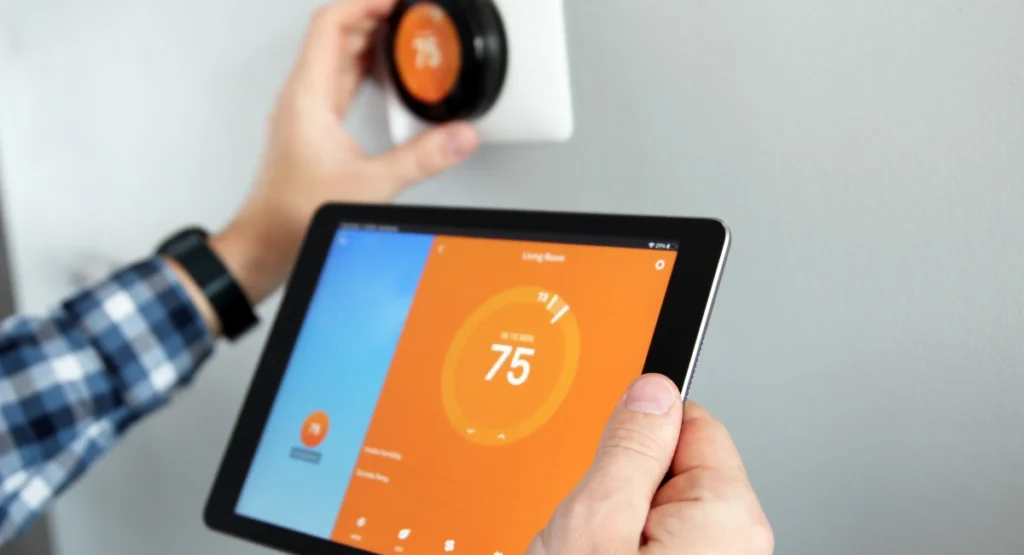
- Temperature Acceleration: Cockroaches are cold-blooded insects. In homes where the thermostat is consistently kept between 75°F and 85°F, cellular development inside the ootheca speeds up, with NC State Extension entomologists noting development is fastest in the 77–86°F range. Warmth compresses the timeline to the shortest possible interval, leading to rapid population explosions during peak summer months or in heated homes.
- Moisture as a Catalyst: Unhatched nymphs require humidity to prevent desiccation (dehydration). Homes with subtle plumbing leaks, poor bathroom ventilation, or damp crawl spaces create microclimates that can significantly improve survival rates for hidden embryos.
- Dry and Cool Delays: Conversely, heavily air-conditioned spaces with efficient dehumidification can slow the hatching timeline, though it rarely stops it entirely. It merely extends the incubation window, sometimes lulling homeowners into a false sense of security before the eggs finally mature.
The effect of specific indoor environmental conditions on populations helps explain why Insect Growth Regulators (IGRs) have become a core part of professional cockroach extermination treatment. Rather than relying on contact kill alone, IGRs disrupt the hormonal development of newly hatched nymphs, preventing them from maturing into reproductive adults and steadily collapsing the population.
Strategic Extermination: Beating the Hatching Clock
Homeowners often see a sudden return of cockroach populations roughly a month after they believed the problem was solved. Surface sprays kill the visible adults, but the hardened oothecae remain tucked away in cracks and crevices, quietly incubating. When they hatch, a fresh generation simply resets the clock.
Long-term control, therefore, depends less on a single chemical treatment and far more on strategically denying females the dark, perpetually damp locations they need in the first place. Implementing structural repairs—sealing all entry points, aggressively reducing interior moisture, and proactively addressing outdoor pressure—drastically reduces entryways and access to indoor breeding sites.
Adopting a well-defined, monitored integrated pest management (IPM) strategy for residential properties can turn a recurring, persistent problem into a properly managed, sustainable solution.