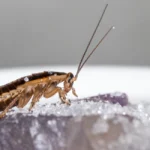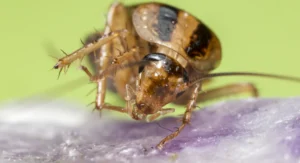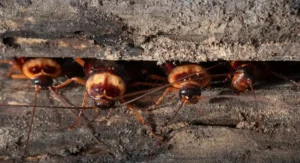

Finding a cockroach darting across your kitchen floor is a quick way to ruin your day. Florida is home to several roach species, including the massive American cockroach (often called a palmetto bug) and the notoriously stubborn German cockroach.
When homeowners look for DIY solutions, one remedy constantly pops up: boric acid. But does it actually work?
In this guide, the experts at Florida Pest Control break down everything you need to know about using boric acid powder for cockroaches. We cover how it works, how to apply it safely, its limitations, and when it’s time to put down the dust and call in the professionals.
What is Boric Acid?
Boric acid is a naturally occurring compound derived from boron and water. It is found in rocks, soil, and even seawater. For over a century, it has been used in everything from antiseptics and flame retardants to household cleaners. However, it is also famous for its use as a pesticide.
According to the National Pesticide Information Center (NPIC), boric acid can be highly toxic to insects while remaining relatively low in toxicity to humans and pets when used correctly. As an insecticide, it typically comes as a fine white dust or powder.
How Does Boric Acid Work on Roaches?
If you are using boric acid for cockroaches, it is important to understand that it is not a contact killer like the chemical sprays you buy at the hardware store. Instead, it works as a slow-acting stomach poison and an abrasive agent.
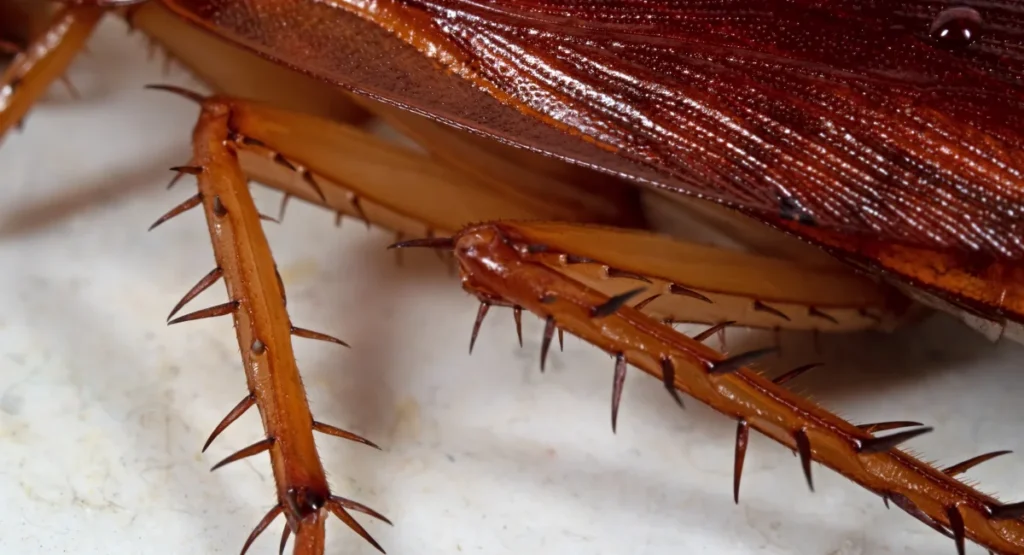
When a roach crawls through a properly applied layer of boric acid, the fine powder clings to the hairs and joints of its legs and body. Cockroaches constantly groom themselves, ingesting the powder as they clean. What’s more, they are cannibals and readily consume dead cagemates, molted skins, and weaker members of their colony, along with any boric acid dust on their exoskeleton.
Once swallowed, the boric acid attacks the cockroach’s nervous and digestive systems, eventually starving and killing it. The powder also has abrasive properties that can damage the roaches’ protective exoskeleton, causing them to rapidly lose moisture and dehydrate.
Is Boric Acid Powder Effective for Cockroaches?
The short answer is yes. When used correctly, boric acid powder for cockroaches is very effective. However, its success depends entirely on proper application and placement.
Pros of using boric acid:
- Long-lasting: Unlike chemical sprays that break down and lose their potency, boric acid will work indefinitely as long as it stays dry.
- No known resistance: Cockroaches have developed immunity to many chemical pesticides over the decades. However, since boric acid kills roaches through both physical and internal toxicological mechanisms, they cannot easily adapt to or build resistance to it.
- Cost-effective: It is generally very affordable and easy to find at hardware stores and pharmacies.
Cons of using boric acid:
- Slow acting: It can take up to 72 hours for a cockroach to die after ingesting the powder. It will not solve an infestation overnight.
- Useless when wet: If the powder gets wet, it loses its efficacy. In a state like Florida, humidity and moisture can work against it.
- Requires precise application: Piling it on too thick will actually deter the roaches. They will simply crawl around it.
How to Use Boric Acid Powder to Kill Cockroaches
The biggest mistake homeowners make when using boric acid powder to kill cockroaches is applying it improperly. For best results when using this DIY method, follow these time-tested steps.
1. Clean the Area Thoroughly
Before applying any pest control product, you must eliminate the roaches’ existing food and water sources. Wipe down counters, sweep floors, clean under appliances, and fix any leaky pipes. If roaches have a buffet of crumbs to choose from, they won’t be as desperate to forage through the areas you treat.
2. Locate the High-Traffic Areas
You cannot simply sprinkle powder in the middle of a room. Cockroaches prefer dark, damp places and often travel along baseboards, avoiding open spaces. Look for signs of roach activity, such as droppings (which look like black pepper or coffee grounds) or shed skins.
Prime application zones include:
- Behind and under the refrigerator and stove
- Inside the gaps where plumbing pipes enter walls (under sinks)
- Along the edges of baseboards and behind cabinets
- Inside cracks and crevices where walls meet the floor
3. Apply a Barely Visible Layer
This is the most critical step for proper boric acid for roach control. Do not dump piles of powder into corners. If a cockroach sees a mound of white dust, it will recognize it as an obstacle and avoid it, defeating the purpose.
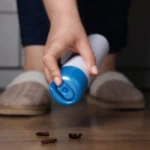
You need to apply a microscopic, barely visible dusting. Use a bulb duster (a small tool designed to puff fine dust) to gently blow the powder into cracks and crevices. The layer should be so thin that it looks like a light layer of household dust.
4. Create a Bait Mixture (Optional)
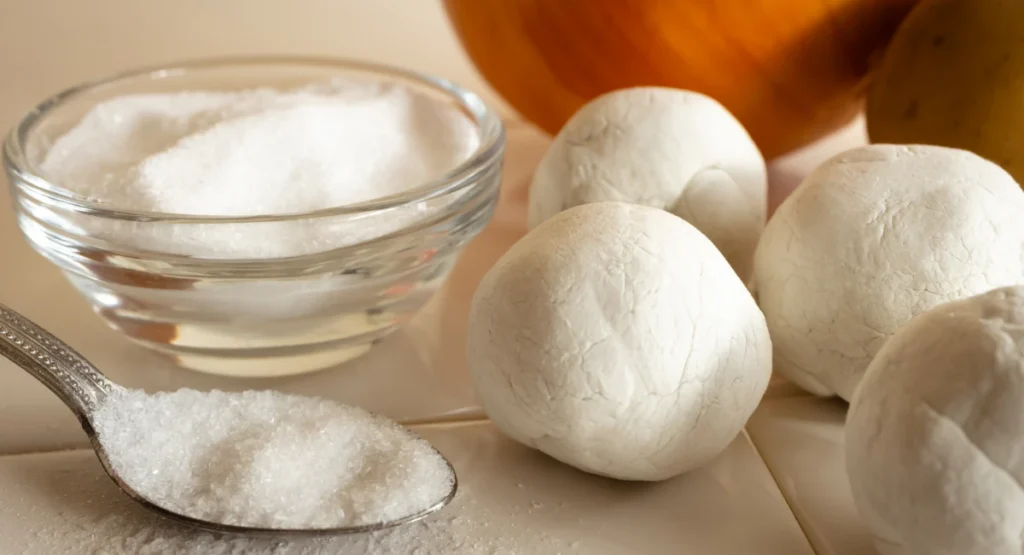
Boric acid on its own isn’t very appealing to eat, so some DIYers mix it with an attractant. A common recipe is to mix equal parts of boric acid, sugar, and flour, then add a little water to form dough balls. Place these small bait stations in hidden areas (out of reach of pets and children). The sugar attracts the roaches, and the boric acid kills them.
Safety Precautions and Limitations
Boric acid is generally considered less toxic than synthetic pesticides, but it is still a poison. Federal and university guidance, including the National Pesticide Information Center, stresses that it must be used with caution, particularly in homes with children and pets, since accidental ingestion can cause nausea, vomiting, and stomach pain.
- Never apply boric acid to countertops or surfaces where food is prepared
- Keep it away from children and pets
- Always apply it in deep crevices where curious paws and hands cannot reach
- Wear a mask and gloves during application. Inhaling the fine dust can irritate your lungs and respiratory tract
While it is a great tool, boric acid also has limitations. First, it only targets foraging adults and nymphs. It does absolutely nothing to cockroach egg cases (oothecae). A single German cockroach egg case can hold up to 40 nymphs. If you kill the adults but ignore the eggs, you will have a brand new infestation in a matter of weeks.
Second, if an infestation is deeply entrenched in the walls, a surface-level dusting won’t reach the source, and the colony will continue to flourish.
When to Escalate to the Professionals
Boric acid is an excellent preventative measure and can handle very minor, isolated issues, but some situations call for professional help. If you spot roaches foraging in broad daylight, it usually means their nests are so overcrowded that they’re being pushed out to find food, a clear sign of a severe infestation.
At Florida Pest Control, we understand how regional roach species behave. Our licensed technicians don’t just treat the symptoms; we identify the root cause of the infestation. We use advanced, EPA-approved baits, insect growth regulators (which halt the reproductive cycle), and targeted exterior treatments to create a barrier around your home.
If you find that the roaches are winning the war, don’t hesitate to get expert help. Contact Florida Pest Control to schedule a comprehensive inspection and take your home back from cockroaches once and for all.