
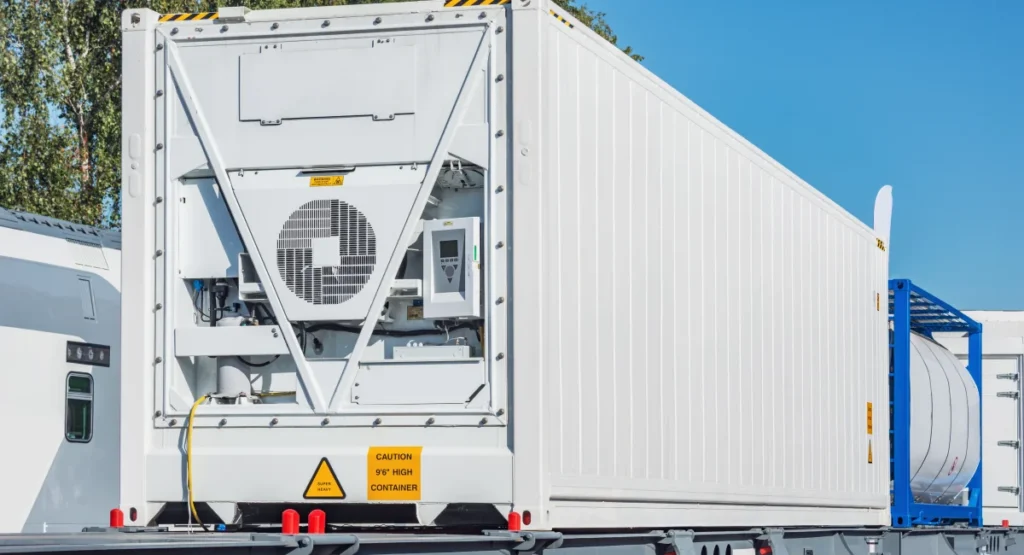
For Florida’s cold-chain operators, the refrigerated container (reefer) is a reliable workhorse. It maintains temperature across thousands of miles, protects perishable and temperature-sensitive freight, and arrives at your dock ready for unloading. However, the feature that makes a reefer so dependable—the constant air exchange to maintain its internal climate—also makes it vulnerable to invasive pest species.
Every reefer breathes. To maintain temperature, it continuously draws outside air through intake grilles and along a multi-leg route through ports, yards, and rail terminals, which can pull in insects, egg masses, and noxious weed seeds. By the time the container reaches a Florida receiving dock in August, it may be carrying more than its manifest declares.
Why the Intake Grille Is a Blind Spot
Most receiving protocols focus on the obvious: seals, interior surfaces, product condition, and paperwork. The intake grille rarely makes the checklist. It sits low, out of sightline, and is easy to overlook during a fast turnaround, but it is precisely where hitchhiking organisms accumulate.
The reason lies in how a reefer operates. Because it needs constant air exchange to hold its temperature, it draws in whatever is active nearby at every port, yard, and rail terminal along its route. At ports across the globe, artificial lighting attracts swarms of insects each night, and any number of them can:
- be pulled directly into a container’s intake grille,
- fly inside the container itself, or
- lay eggs on its surfaces
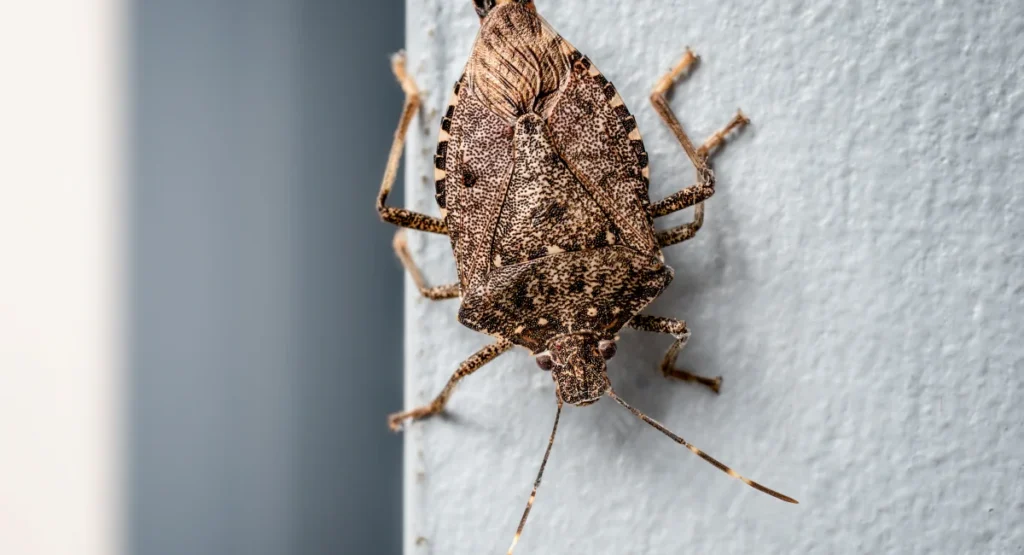
The same intake pathway has helped spread the brown marmorated stink bug around the world—a hitchhiking pest that now damages U.S. crops and has even been blamed for delaying freight shipments over infestation concerns. The grille, in other words, is not a passive vent; it is an active collection point for the kind of invasive insects Florida’s inspection regimes work to intercept.
Once a reefer reaches your dock, its contents and passengers move quickly, often onto a truck or railcar within a day of arrival. For an operations or compliance leader, this becomes an immediate concern because an unchecked intake grille means invasive pests can pass through your facility and into the wider supply chain before anyone has thought to look for them.
Why August Raises the Stakes
The risk is greater in late summer for two reasons. First, heat drives airflow. As ambient temperatures climb, reefers work harder and cycle more air to maintain setpoint, increasing the volume drawn through intake grilles. Second, August sits at the intersection of peak import volume and peak pest activity across Florida’s ports and inland distribution hubs. Warmer conditions accelerate insect development, while high container throughput means more units, more dwell time in yards, and more opportunities for organisms to board.
The result is a seasonal window where the probability of introduction and the pathway for introduction both spike. Tighter monitoring now breaks the pattern before unauthorized passengers cross the threshold.
From Grille to Audit Finding
The introduction of invasive pests is not only an ecological concern. For regulated cold-chain environments, it is an operational and audit risk.
If invasive insects or contaminated plant material reach product-handling zones, the consequences extend well beyond the dock:
- Audit exposure under food safety and sanitation standards, where pest activity and unexplained contamination are documented findings
- Recall and disposition risk if contamination reaches a temperature-sensitive product, with associated costs and reputational impact
- Regulatory attention from state and federal agricultural inspection regimes, which treat invasive species interception as a priority
These pressures make disciplined receiving practices central to the pest control programs built for manufacturing and logistics facilities, where a single missed entry point can undermine an otherwise well-run operation.
Building Intake-Aware Monitoring Into Receiving
Enhancing receiving protocols won’t affect workflow. It simply requires directing attention to the right place and creating a record that stands up to scrutiny. You should focus on three things:
- Inspect the intake grille as a named checkpoint. Add it to receiving inspection so it is checked deliberately—looking for plant debris, seed accumulation, frass, egg masses, or live activity.
- Treat findings as reportable events. Document what is found, where, and on which unit. This converts a chance observation into evidence of compliance and helps identify high-risk trade lanes.
- Layer continuous monitoring behind the dock. Digital monitoring, targeted trapping, and routine professional inspection catch what a single visual check misses, providing an early warning before an introduced species establishes itself.
Stored-product pests and plant seeds often travel the same freight pathways. Integrating grille checks into your stored-product pest monitoring and prevention program covers ground that piecemeal inspection leaves exposed.
A Coordinated Line of Defense
Refrigerated containers are vital to Florida’s cold-chain economy, but inbound inventory management needs to evolve. Intake grilles now deserve the same routine attention as seals and setpoints, which requires a coordinated effort between shipping, docking, and logistics teams. By making this adjustment ahead of the August peak, operators can transform a hidden vulnerability into a documented, defensible control point.