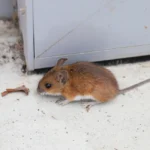

When the temperature drops and squirrels stop darting across the yard, you might wonder if mice hibernate too. The short answer is no, and that’s actually the problem. Unlike bears or groundhogs, mice stay awake all winter. When it gets cold, they don’t disappear. Instead, they look for somewhere warm to spend the winter, which is often your home or commercial property.
Do Mice Hibernate in Winter?
No. Mice do not hibernate in winter. They remain active year-round. What changes is where they spend their time.
In warmer months, mice are content outdoors, so you’re less likely to see them in your home or workspace. Food is plentiful, vegetation provides cover, and nesting sites are easy to find. But as temperatures drop and natural food sources disappear, mice change their focus – and it is often your building that offers the warmth, shelter, and a steady meal to sustain them.
What Do Mice Do in Winter?
Rather than hibernating, mice rely on a few survival strategies to get through the colder months:
- Shelter indoors. Mice will squeeze through gaps as small as a dime to access warm interiors. Wall voids, attics, basements, and gaps behind appliances are all common nesting spots.
- Nesting with soft materials. Once inside, mice build nests from shredded paper, fabric, and insulation to stay warm.
- Foraging constantly: Mice eat often, up to 20 times a day, so they’re always moving around looking for food, even in winter.
- Food sources: Pantries, pet food bowls, and unsealed garbage are all attractive targets. Mice tend to nest near wherever they’re feeding.
It’s important to note that mice do not store food like some other animals. They need to find fresh food often, which keeps them active and moving all season.
Why Do Mice Enter Buildings in Winter?
As it gets colder, food and shelter are harder to find outside, and the fact that your building offers everything they need is simply too tempting for mice to ignore:
- Temperature. Mice are small and lose body heat quickly. A warm building is a significant draw.
- Food access. Kitchens, pantries, and even pet food left out overnight are easy targets.
- Shelter from predators. Inside a wall void or attic, mice are protected and don’t have to worry so much about predators.
- Entry points. Gaps around pipes, vents, door sweeps, and cracks in the foundation all let mice get inside. Once in, the nest or mischief can quickly grow.
Once established, mice don’t usually leave of their own accord, even when the weather gets warmer. A comfortable nest with easy access to food is hard for them to give up.

Does Florida’s Mild Winter Mean Fewer Mice?
Mice are more likely to stay outside for longer due to Florida’s mild climate, but that doesn’t mean buildings are safe. In fact, Florida’s mild winters can support larger mouse populations year-round, so the pressure on homes and businesses doesn’t ease up in the way it might in colder places. This means that common species like the house mouse (Mus musculus) and the deer mouse (Peromyscus maniculatus) can turn up in your kitchen, living room, canteen, workspace, or garage at any time to establish a nest.
Signs You Have Mice in Your Building
Since mice are active at night and usually stay hidden, many property owners don’t notice a problem until it has already grown. Watch for these signs:
- Droppings: small, dark, and pointed at both ends, often found near food or along walls
- Gnaw marks on food packaging, wood, or wiring
- Scratching sounds in walls or ceilings, especially at night
- Nesting materials: shredded paper, fabric, or insulation found in hidden corners
- Grease marks along baseboards, left by mice traveling the same paths over and over
- An unusual musty odor in enclosed spaces
If you notice any of these signs, it is important to act quickly. Mice reproduce fast, so a small problem can turn into a big infestation in just a few weeks.
Professional mice exterminator services are the best way to solve the problem completely.

How to Help Keep Mice Out This Winter
There are steps you can take to make your building less appealing to mice:
- Seal entry points. Check for gaps around pipes, vents, and the foundation. Mice can fit through openings as small as ¼ inch.
- Store food properly. Keep pantry items in sealed containers and don’t leave pet food out overnight.
- Reduce clutter. Piles of paper, cardboard, or fabric give mice ready-made nesting material.
- Keep trash secured. Use bins with tight-fitting lids, both inside and outside.
- Trim vegetation. Overgrown shrubs and tree branches close to the house give mice easy access.
These steps can help reduce the risk, but do-it-yourself efforts often solve only part of the problem. Mice are skilled at finding new ways inside, and if you miss any entry or nesting spots, the problem usually returns.
Florida Pest Control Can Help with Your Mouse Problem
At Florida Pest Control, our technicians know how to find where mice are entering, where they are nesting, and what is attracting them to your property. We use an Integrated Pest Management (IPM) approach that focuses on long-term prevention rather than quick fixes.
Our mouse control services include:
- A thorough inspection of your property, inside and out
- Identification of entry points and nesting areas
- Targeted treatment using traps, bait stations, and exclusion methods
- Recommendations to help prevent mice from returning
Whether you have an active infestation or want to prevent a problem before it starts, we are here to help. Contact Florida Pest Control today to schedule your inspection.