

Mouse-related diseases are more common than most people think, and the risks go far beyond the consequences of getting bitten. Mice can spread illness through their droppings and by contaminating food surfaces as they travel. Here’s what you need to know about how mice spread disease and how you can protect yourself, your family, and your staff.
Types of Mouse Diseases
Mice are classified as a public health risk by the Centers for Disease Control and Prevention (CDC) because they carry several diseases, contaminate food supplies, and trigger indoor asthma attacks. These are some diseases that mice can pass directly to people:
- Hantavirus: People usually get this disease by inhaling dust containing the virus while cleaning up, or by touching droppings and urine from outdoor rodents such as deer mice and white-footed mice. Early symptoms include fever, headache, and muscle pain.
- Salmonellosis: This illness often causes stomach problems in people. The most common way to get it from mice is by coming into contact with their feces or urine in food or on kitchen surfaces.
- Leptospirosis: This disease spreads through water contaminated with urine from mice or other animals. Without treatment, it can cause kidney damage and liver failure.
- Lymphocytic Choriomeningitis (LCM): This viral infection can cause fever, headache, and even brain damage. It is especially dangerous for pregnant women, as it can cause birth defects or fetal death. LCM spreads through contact with mouse waste, saliva, or nesting material, making unprotected cleanup risky.
Can You Get Sick from Mouse Droppings?
Yes. Mouse droppings are one of the main ways diseases spread from mice to people. Fresh droppings are soft and dark, while older ones dry out, and fragments can become airborne if swept or disturbed. That’s why you should never vacuum or dry-sweep mouse droppings without the right protection.
If you find droppings inside, put on gloves and a mask, wet the area with disinfectant before wiping, and seal the waste in a bag. If you have a bigger problem, it’s safest to call professional rodent removal services.
The Mice Most Likely to Carry Disease
Not all mice carry the same risks, but there are a few common types you might find in and around Florida buildings:
- House mouse (Mus musculus): This is the mouse you’ll most often find in homes and commercial properties. It can carry LCMV and contaminate food with its droppings and urine.
- Deer mouse (Peromyscus maniculatus): This mouse is the main carrier of hantavirus in the U.S. and is usually found in rural and semi-rural areas.
- White-footed mouse (Peromyscus leucopus): Like the deer mouse, it can carry hantavirus and also ticks that spread Lyme disease.
If you’re not sure what kind of mouse you have, a professional can help identify it and recommend the best way to address the problem.
How to Control Mice
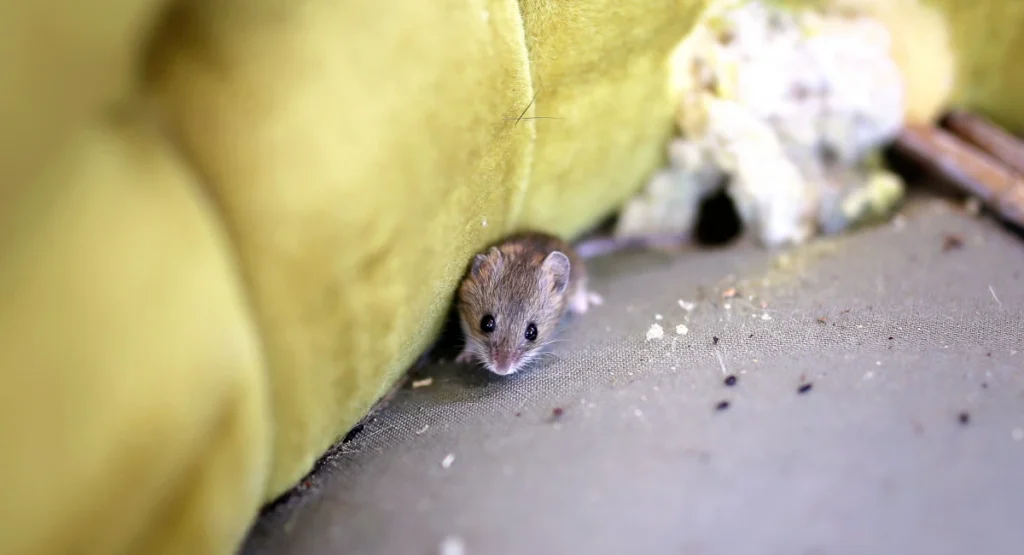
The best way to keep mice out of your building and prevent the diseases they spread is to maintain a strict cleaning routine. Store food in sealed containers, vacuum regularly, and check that vent covers fit tightly. Seal any cracks or gaps to keep mice from getting in.
If you notice an infestation, it’s best to call professionals. The Florida Pest mice exterminators can safely remove mice and help keep them from coming back.
Practical Steps to Reduce Health Risks
Our experts have compiled a few simple steps to help you lower the risk of getting sick from mice:
- Keep food in sealed containers and don’t leave any food out overnight, including pet food.
- Seal up entry points. Mice can fit through gaps as small as a dime, so check around pipes, vents, and door frames for any openings.
- Keep your building free of clutter. Mice like to nest in quiet, undisturbed spots, so try to reduce the number of hiding places in garages, attics, basements, and storage rooms.
- Clean up regularly. Wipe down counters, sweep floors, and empty trash bins often.
- Trim back plants and shrubs. Overgrown bushes and tree branches near your building can make it easier for mice to get inside.
These steps can help, but do-it-yourself methods often only fix part of the problem. Mice are good at hiding, and a small infestation can quickly get worse. For long-term results, professional mouse control is the most reliable choice.
Florida Pest Control Can Help with Your Mouse Problem
If you see droppings, hear scratching in the walls, or notice gnaw marks on food packages or wires, it’s time to call an expert. Florida Pest Control’s technicians can inspect your building, find entry points, and make a plan to protect your residential home or commercial property.
Don’t wait for the problem to get worse. Contact our team for a free inspection and professional recommendations.