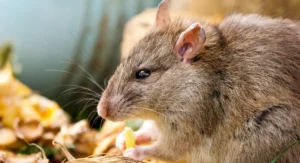

Sometimes, pest control leaves animal bodies hidden in walls, attics, crawlspaces, or other hard-to-reach places. If a mouse, rat, or even a squirrel dies in a secluded area, the smell can be extremely pungent and overpowering. The only way to eliminate dead rodent odors is to find and remove the source, which can be difficult.
Here’s what you need to know about the smell, what causes it, and how to deal with it.
Common Rodents That May Die Inside Buildings
In Florida, the warm climate means rodent activity can occur year-round, but they are more likely to come indoors during the cooler months. The most common animals that cause dead rodent smells in wall voids, attics, utility chases, and basements are:
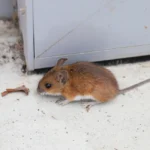
- House mice: These small, hard-to-spot rodents often nest deep inside walls, behind appliances, or in insulation, where dead mice can go unnoticed for days.
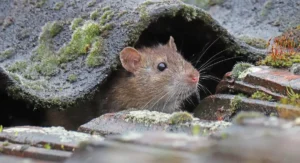
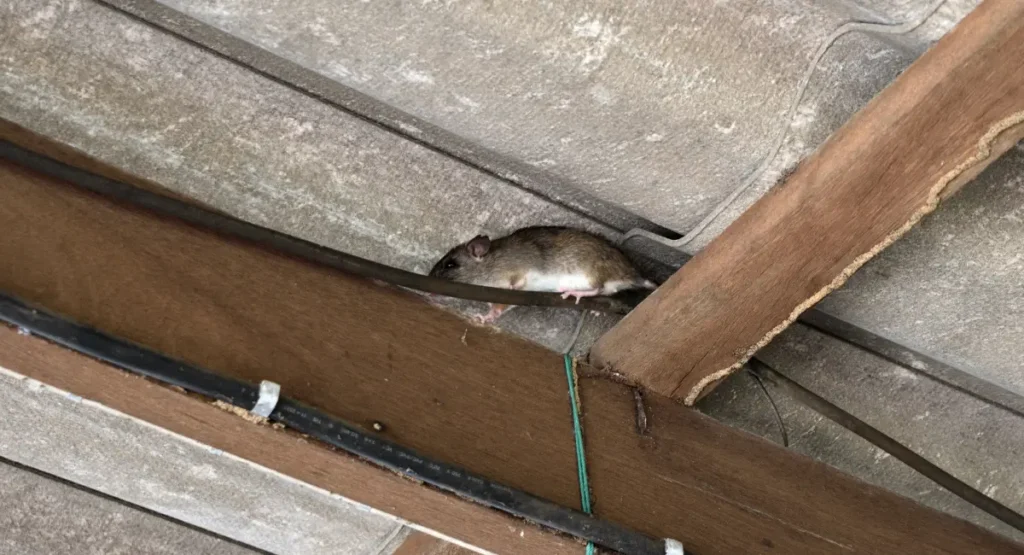
- Roof rats: These agile climbers prefer attics and upper wall spaces. If they die in these areas, the smell can spread through ceilings and vents.
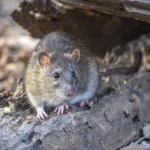
- Norway rats: These larger rodents usually burrow in low-lying areas such as crawlspaces, basements, and under floors. Because of their size, the odor can be stronger and last longer.
- Squirrels: Although not usually as bothersome as rats and mice, squirrels can get into attics through vents or damaged rooflines and become trapped. A dead squirrel in the attic can create a strong, lasting smell.
If you’ve been dealing with any of these pests, professional rodent control can help address the root cause before the problem gets worse.
Signs of a Dead Rodent in Your Home
There are often early warning signs before the smell gets too strong. Noticing these signs can make cleanup much easier:
- A sudden, unexplained odor that is often described as sweet, musty, or sulfur-like, and usually comes from one area
- Increased fly activity in a specific room or near a wall, ceiling, or vent
- Staining or discoloration on walls or ceilings, which can indicate decomposition fluids seeping through
- Scratching or scurrying sounds that suddenly stop. If you hear rodent activity and it goes quiet, it can sometimes mean a rodent has died nearby.
- Unusual pet behavior. Dogs and cats may sniff, scratch, or fixate on a particular wall or area if they sense an animal nearby.
These indicators don’t always mean there is a dead rodent, but they are worth checking out. If you do notice signs of a rat or mouse problem, it is best to act quickly.
How Long Does a Dead Rodent Smell Last?
The smell from a dead mouse or other rodent can last from a few days to several weeks, depending on a few factors:
- Size of the animal: Smaller animals like mice decompose faster than larger ones like rats or squirrels.
- Temperature and humidity: Warm, humid conditions, which are common in Florida, speed up decomposition and can make the smell stronger at first. Cooler or poorly ventilated spaces slow the process, so the odor can last longer.
- Ventilation: Well-ventilated areas allow odors to dissipate more quickly. Enclosed wall voids or sealed crawlspaces trap the smell.
- Accessibility: If the body can’t be removed, the odor will persist until decomposition is complete.
Even after the source is removed, residual odor can linger for up to two weeks.
How to Neutralize Dead Rodent Smells
Locate the Source (If Possible)
Follow the smell, which is usually strongest near the source. Check wall spaces where you have heard activity, attic corners, crawlspace edges, and behind large appliances.
If you can access the area, gently and carefully remove the body. This may mean cutting into drywall, lifting floorboards, or getting into a crawlspace. Always wear gloves and a mask when handling a dead animal or contaminated materials.
Use Odor-Neutralizing Products
If you can’t reach the source right away, odor-neutralizing products can help reduce the smell while you try to find it. Place these products as close to the odor as possible. Activated charcoal bags are highly effective at absorbing odors, while baking soda is a simple, low-cost option for mild odors.
Equally, commercial odor absorbers, especially enzyme-based products, work well on organic odors, and bowls of white vinegar can help neutralize airborne odors in the short term.
These products will not solve the problem by themselves. They are only a temporary solution and do not replace removal as the final solution.
Clean and Disinfect the Area
Once you’ve removed the rodent, clean the surrounding area thoroughly. Rodent bodies can carry bacteria and pathogens, so proper disinfection is essential:
- Wear disposable gloves and, if possible, a face mask.
- Place the body and any contaminated material in a sealed plastic bag before dispose
- Clean the area with a disinfectant solution. Do not sweep or vacuum dry droppings or nesting material, because this can spread particles into the air.
- Allow the area to air out fully before sealing it back up. Leaving it open for a day or two is often enough.
Why Do I Keep Getting Dead Rodent Smells?
A dead rodent smell can be a sign of a bigger problem. If rodents are dying inside your building, they were likely living there as well. This means there is probably an entry point that you need to locate and seal, such as gaps around pipes and utility lines, damaged or missing vent covers, cracks in the foundation or exterior walls, gaps under doors or around window frames, or openings in the roofline or eaves.
Sealing these entry points will help to prevent the same problem happening again. Rodent exclusion services are designed to find and block access points, which is one of the best long-term solutions.
Florida Pest Control Can Help with Your Rodent Problem
Florida Pest rodent exterminators know how to find entry points, nesting spots, and the conditions that attract them. We’ll put together a rodent control plan to help address the problem and reduce the risk of recurrence. Contact your local Florida Pest Control branch to set up an inspection.