
Rats are highly adaptable. They eat virtually anything, can live almost anywhere, from city sewers to suburban yards, and breed quickly. However, even these resilient pests have natural predators.
Here’s a look at the animals that eat rats, how effective they really are, and what you should realistically expect from nature’s pest controllers.
Birds of Prey
These raptors are among the most effective rat predators in nature. Several species actively hunt rodents as a core part of their diet:
- Barn owls are perhaps the most well-known rat hunters. A single barn owl family can consume over 1,000 rodents in a year, which is handy pest control in agricultural areas.
- Great horned owls and barred owls are larger and will take rats, squirrels, and other medium-sized prey.
- Red-tailed hawks are common across Florida and the wider U.S. and regularly hunt rats in open fields, parks, and suburban edges.
- American kestrels and Cooper’s hawks tend to target smaller rodents like mice, but will take young or smaller rats.
They hunt primarily at dawn, dusk, and nighttime, which nicely coincides with heightened rat activity. Although having birds of prey near a property is generally a good sign ecologically, they can’t be relied upon to manage an established infestation. They hunt opportunistically and won’t systematically clear a rat population the way professional rodent control services can.
Snakes
Several snake species are well-adapted rat hunters, and Florida is home to a number of them:
- Eastern rat snakes (Pantherophis alleghaniensis) are non-venomous constrictors that are excellent climbers and will pursue rats into trees, attics, and wall voids.
- Black racers (Coluber constrictor) are fast-moving hunters that actively chase down rodents in open areas.
- Corn snakes (Pantherophis guttatus) are smaller but effective hunters of mice and young rats.
Snakes are genuinely useful in keeping outdoor rodent populations down, particularly in rural and semi-rural settings. However, they can be a concern near buildings because snakes often follow rodents indoors, making your pest problem much worse. If you’re seeing snakes around your property, it may be a sign that rats are already present.
Foxes and Coyotes
Mammals are also significant rat predators. In Florida and across the U.S., foxes and coyotes are among the most active:
- Red foxes and gray foxes are opportunistic hunters of rats, mice, and other small rodents. They’re most active at night and in the early morning.
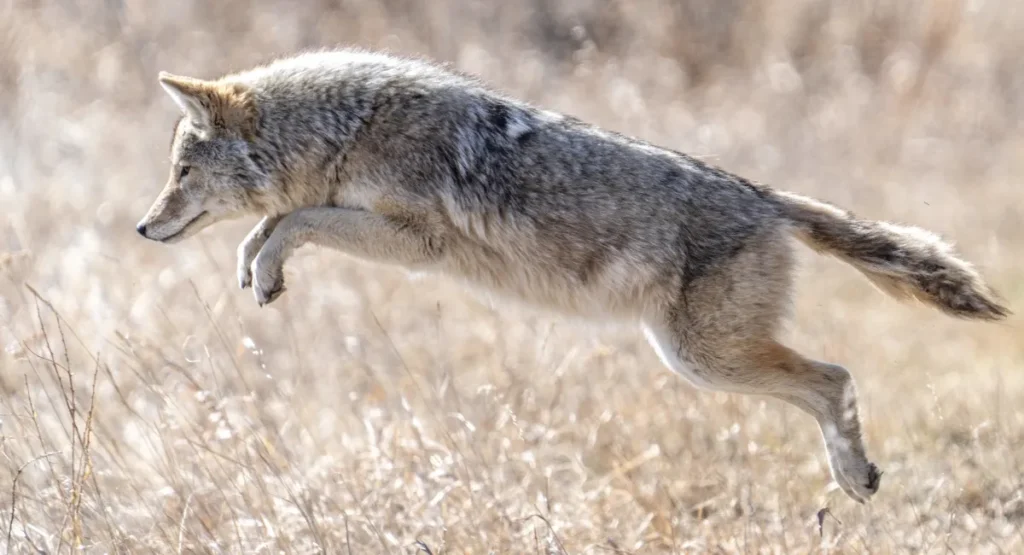
- Coyotes have expanded their range significantly across the U.S. and are now common in suburban and even urban areas. Rodents make up a meaningful portion of their diet.
These animals can help control rats in open, rural areas, but they aren’t an ideal solution for homes or in built-up neighborhoods. Trying to attract foxes or coyotes brings other risks, including threats to pets and urban wildlife.
Domestic Cats
Domestic cats are natural hunters, and many will chase and kill rats, although they aren’t particularly effective for pest control:
- Cats are more likely to hunt mice than full-grown rats. Adult Norway rats, in particular, can be large enough to deter or even injure a domestic cat.
- Cats usually hunt for fun or when they’re hungry, but not in a way that reduces the whole rat population.
- Researchers have looked at using feral cat colonies for pest control in cities, but studies show they only have a small effect on rat numbers.
A cat might catch a rat now and then, but it won’t fix an infestation. Professional pest control is a more reliable option, with experienced technicians who can outsmart the most cunning rats and their offspring.
Weasels, Ferrets, and Stoats
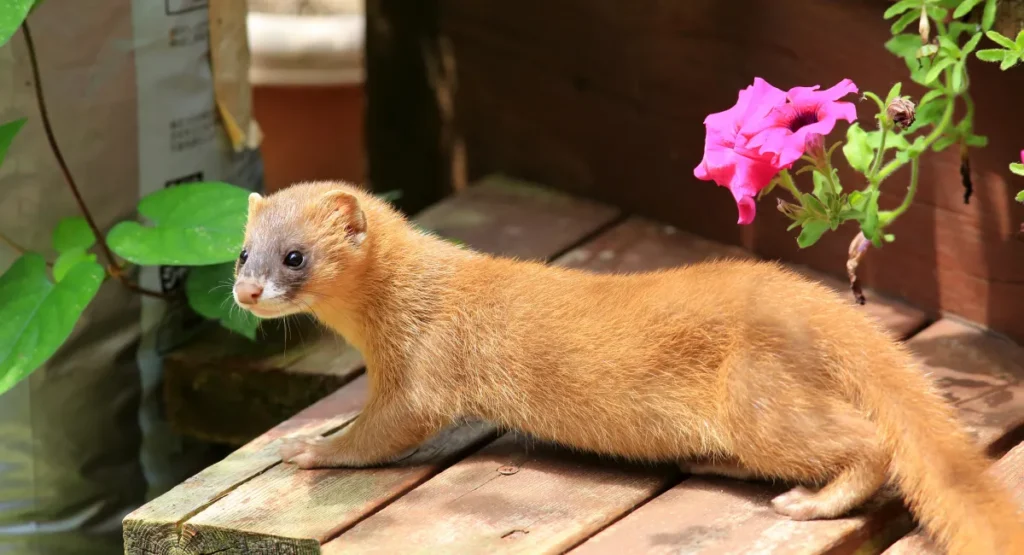
Mustelids, which include weasels, ferrets, and stoats, are quick and determined hunters. They can chase rats into burrows and tight spots that bigger predators can’t reach.
Weasels are less common in Florida than in northern states, but the idea is the same: small, quick predators that can get into tight spaces and are some of the best natural rat hunters.
Do Natural Predators Actually Control Rat Populations?
Natural predators help keep wild rat numbers balanced in the countryside. However, several things limit how well they work for pest control in and around human dwellings:
- Rats reproduce faster than predators can hunt. A female rat can produce up to five litters per year, with six to 12 young per litter. Even with active predation, populations can rebound quickly.
- Predators don’t go after rats inside buildings. Once rats move indoors, most natural predators can’t follow, so the problem becomes about the building itself, not the environment.
- Bringing in predators can cause new problems. Trying to attract snakes, foxes, or birds of prey near your home can be risky, especially if you have small pets or children.
- Predators hunt opportunistically. They don’t systematically target a specific infestation the way a professional treatment plan does.
Natural predators are part of a healthy ecosystem, and their presence near your property is generally a positive sign. But if you’re dealing with signs of a rat infestation—droppings, gnaw marks, scratching sounds in walls—predators alone are not the solution.
What Actually Works for Rat Control
Understanding what eats rats is a useful context, but it doesn’t replace a practical approach to managing an infestation. The most effective strategies combine:
- Exclusion: Seal entry points like gaps around pipes, damaged vents, and cracks in the foundation to keep rats out. Rats can fit through holes as small as ½ inch.
- Sanitation: Removing food sources, securing trash, and clearing clutter that provides shelter.
- Trapping and baiting: Targeted placement of traps and bait stations by a trained technician, in the right locations and at the right intervals.
- Follow-up monitoring: Checking for new activity and adjusting the approach as needed.
DIY methods can help for a while, but they’re not so effective for long-term rat control. If rats have a way in, they’ll return unless you find and seal those entry points. This is where professional rodent exclusion really helps.
Florida Pest Control Can Help with Your Rodent Problem
Florida Pest Control technicians know how to find out where rats are getting in, where they’re nesting, and what’s drawing them to your property. We’ll create a tailored plan to remove active populations and reduce the chance of more rats moving in. Contact your local Florida Pest Control branch to set up an inspection.