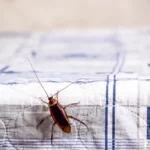

Florida faces a higher risk of cockroach invasions than most other U.S. states. The National Pest Management Association rates the Sunshine State above any other state for rising cockroach infestations due to high humidity that supports year-round activity.
So, why do roaches come into your house in the first place? Let’s explore the reasons—food, water, and shelter—along with expert tips on how to prevent them.
Food: The Number One Cockroach Attractant
Cockroaches will eat almost anything, including crumbs, grease, food packaging, and even soap residue. You don’t need a messy kitchen to attract them. Just a little food left out overnight can keep a colony going.
What attracts roaches the most when it comes to food:
- Crumbs and spills on counters and floors
- Grease buildup behind and beneath appliances
- Dirty dishes left in the sink overnight
- Pet food left out in bowls (often overlooked as an attractant)
- Unsealed pantry items, including dry goods like rice, pasta, and cereal
- Open or overflowing trash cans
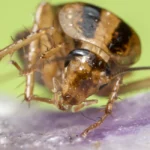
German cockroaches (Blattella germanica), the most common indoor species, are particularly drawn to kitchens and bathrooms where food residue and moisture are easy to find.
Moisture: A Major Draw
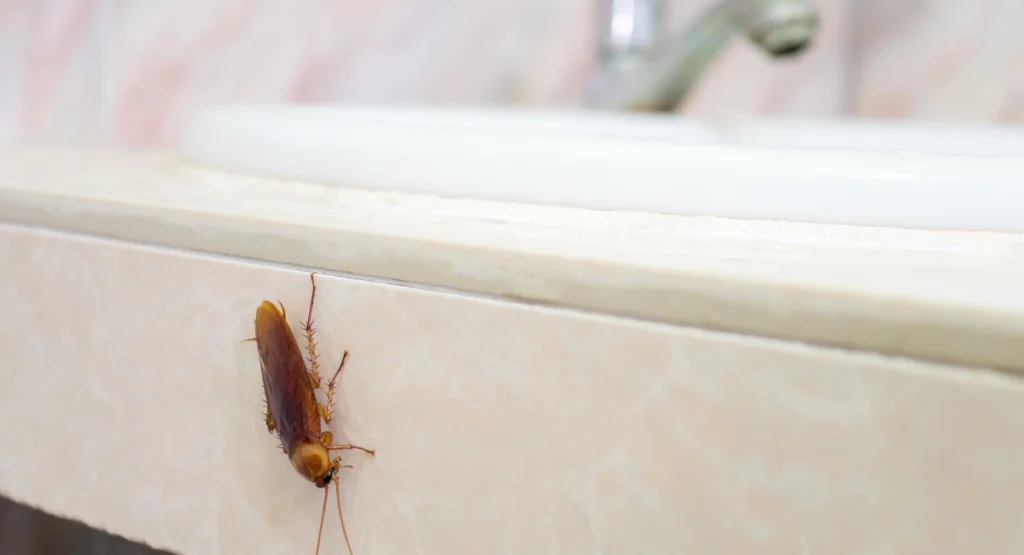
If anything attracts cockroaches more than food, it’s water. Cockroaches can live for weeks without food, but only a few days without moisture. That’s why damp areas in your home are especially appealing to them.
Common moisture sources include:
- Leaky pipes under sinks and around appliances
- Dripping faucets and condensation on pipes
- Standing water in sinks or on counters
- Damp basements, crawl spaces, and bathrooms
- Pet water bowls left out overnight
- Clogged or slow-draining drains
Because Florida is so humid, controlling moisture is very important. Even a slow drip under a kitchen cabinet can support cockroaches. Fix leaks quickly and improve ventilation in damp spots to help keep them away.
Shelter and Clutter: Where Cockroaches Hide
Cockroaches look for dark, quiet places to nest and breed. Clutter gives them these hiding spots, and the more places they have to hide, the harder they are to spot.
Where they shelter:
- Stacked cardboard boxes, since cockroaches eat the starchy glue and nest inside the layers
- Paper bags, newspapers, and piles of unused items
- Cluttered storage areas in garages, attics, and closets
- Spaces behind and beneath large appliances
- Wall voids, cracks in baseboards, and gaps around plumbing
Replace cardboard boxes with sealed plastic bins and clear away clutter to eliminate common cockroach hiding spots. This simple change also makes it significantly easier to spot the early warning signs of an infestation.
Entry Points: How Cockroaches Get In
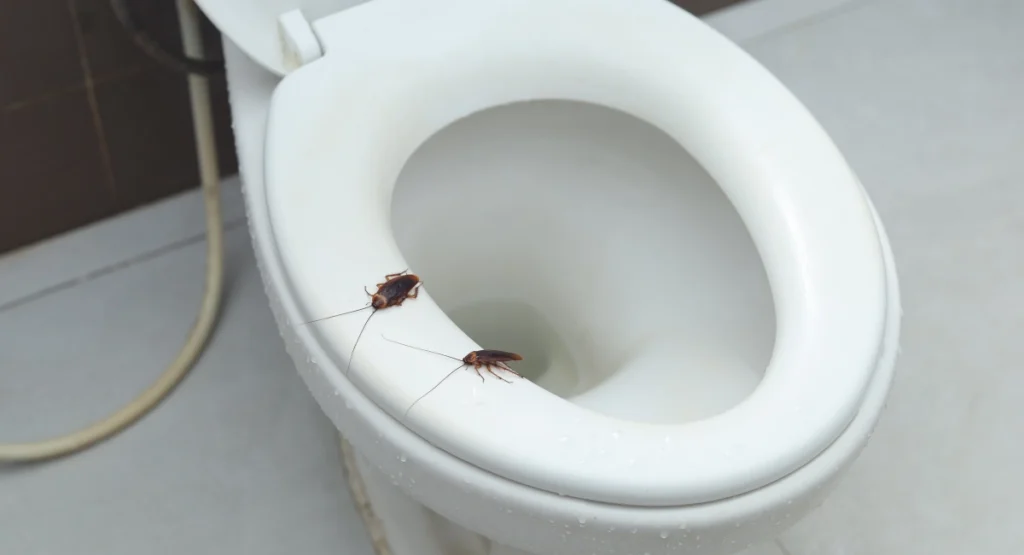
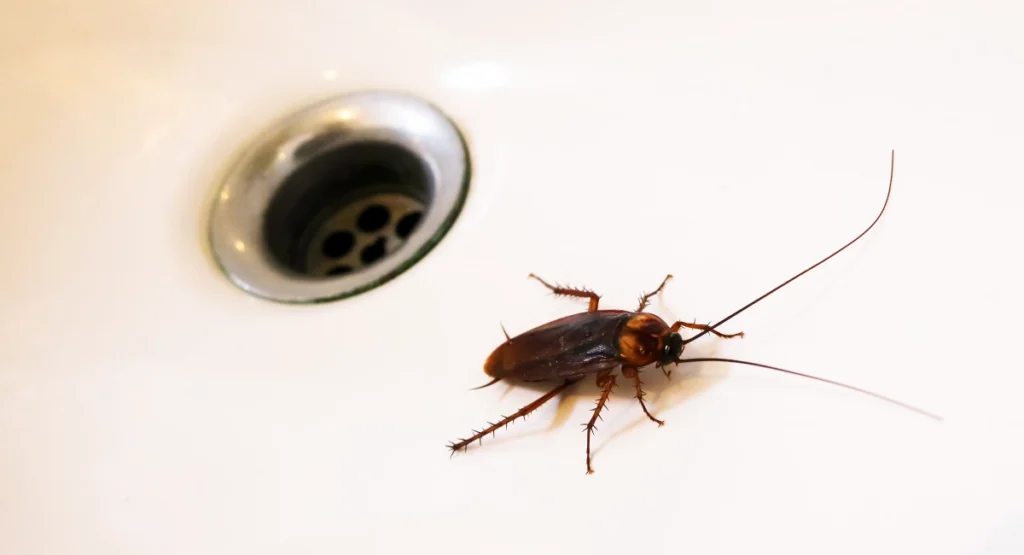
Even a clean, well-kept home can attract cockroaches when they get inside. American cockroaches (Periplaneta americana) often come in through sewers, drains, and gaps around pipes. German cockroaches exploit cracks and crevices in shared walls to get inside, and also hitch rides on grocery bags, cardboard boxes, or used appliances.
Common entry points to check include gaps around pipes, utility lines, and electrical conduits, as well as cracks in walls, foundations, and around door frames. Cockroaches also frequently enter through damaged weatherstripping and torn window screens, floor and sink drains, and shared walls in apartments or multi-unit buildings.
Sealing these entry points with caulk and replacing damaged weatherstripping can help reduce the risk. For a full breakdown of how cockroaches get inside, our guide on how cockroaches get into homes covers the most common routes in detail.
How to Prevent Cockroaches
The good news is that you can control the factors that attract cockroaches through diligent sanitation and routine building maintenance. Here are the most effective steps you can take:
- Store food properly: Use sealed containers for pantry items, including pet food. Don’t leave dishes in the sink overnight.
- Fix moisture issues: Repair leaky pipes, dry sinks after use, and use a dehumidifier in damp areas.
- Declutter: Clear out cardboard boxes and paper bags, especially in storage areas.
- Seal entry points: Caulk gaps around pipes, replace damaged weatherstripping, and repair torn screens.
- Keep outdoor areas tidy: Trim vegetation away from the house, store firewood away from walls, and keep trash cans sealed.
These steps can lower your risk, but they may not be enough if cockroaches have already settled in. Cockroaches breed fast, hide well, and can develop resistance to store-bought treatments. For lasting results, professional cockroach control is usually the best choice.
Florida Pest Control Exterminates Cockroaches
Call your local Florida Pest Control office, and our team will be on hand to deal with your cockroach problem. We offer solutions so roaches won’t return in the long term. Contact Florida Pest Control today to schedule a free inspection.