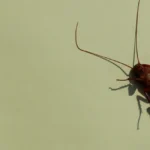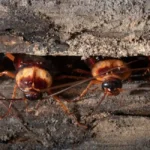

Cockroaches are resilient pests that can show up even in the cleanest houses, and once they’re in, they can be tough to shift. This risk is even greater in warm, humid states like Florida, where cities such as Miami ranked among the top nationwide for cockroach activity—a clear indication of the threat to residents.
The Main Ways Cockroaches Get Into Your House
Cockroaches take advantage of any opportunity. They do not need a big opening; even a small gap is enough. Here are the most common ways they get in.
Cracks and Gaps in Walls and Foundations
Small cracks around your home’s foundation, exterior walls, or around utility pipes are prime entry points. The American cockroach (Periplaneta americana), one of the most common species in Florida, can squeeze through surprisingly tight spaces. Gaps around plumbing, electrical conduits, and HVAC lines are especially vulnerable.
Doors and Windows
Poorly sealed doors and windows, especially those with damaged weatherstripping or torn screens, make it easy for cockroaches to get inside. They are most active at night, so you might not notice them coming in.
Drains and Sewer Systems
Cockroaches are well adapted to sewer environments. They can travel up through floor drains, sink drains, and even toilets. This is particularly common with the American cockroach, which thrives in humid underground systems.
Hitching a Ride Inside
One of the most overlooked ways cockroaches enter a house is by hitching rides on items you bring inside. Grocery bags, cardboard boxes, secondhand furniture, and even appliances can hide cockroach eggs or live insects. German cockroaches (Blattella germanica), another common indoor species, are especially likely to spread this way.
Neighboring Units
If you live in an apartment, condo, or townhouse, cockroaches can travel between units through shared walls, pipes, and utility lines. An infestation in one unit can quickly spread to others.
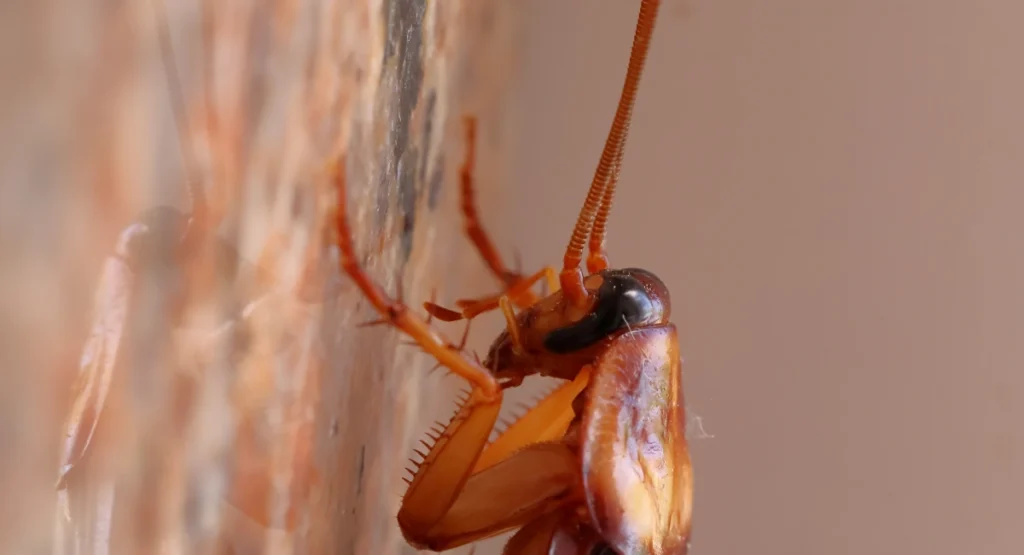
What Causes a Roach Infestation in Your House?
Getting inside is one thing, but staying is another. Cockroaches need food, water, and shelter to survive. If your home offers any of these, it becomes a target.
- Food sources: Crumbs, unsealed food containers, pet food left out overnight, and grease buildup around appliances all attract cockroaches.
- Moisture: Leaky pipes, condensation under sinks, and damp basements create ideal conditions. German cockroaches in particular are drawn to kitchens and bathrooms.
- Clutter and hiding spots: Stacks of cardboard, paper bags, and cluttered storage areas provide cockroaches with undisturbed places to nest.
- Structural issues: Homes with sagging roofs or water damage are significantly more likely to have cockroach activity, according to official data.
Signs You Have a Roach-Infested House
Since cockroaches are nocturnal, you might not see them right away. Watch for these warning signs:
- Droppings: Small, dark, cylindrical droppings resembling coffee grounds or black pepper, often found near food sources or along baseboards.
- Smear marks: Dark, brownish smears along walls or countertops where cockroaches travel regularly.
- Egg cases (oothecae): Small, brown capsule-shaped cases that contain multiple eggs. Finding these confirms cockroaches are breeding in your home.
- Shed skins: Cockroaches molt several times as they grow. Discarded exoskeletons are a clear sign of an active infestation.
- Musty odor: A large infestation can produce a distinctive, unpleasant smell.
- Daytime sightings: If you see a cockroach during the day, it often means there are so many that some are forced out of hiding.
For a full breakdown of what to look for, our cockroach identification and facts guide covers the most common species and their behaviors.
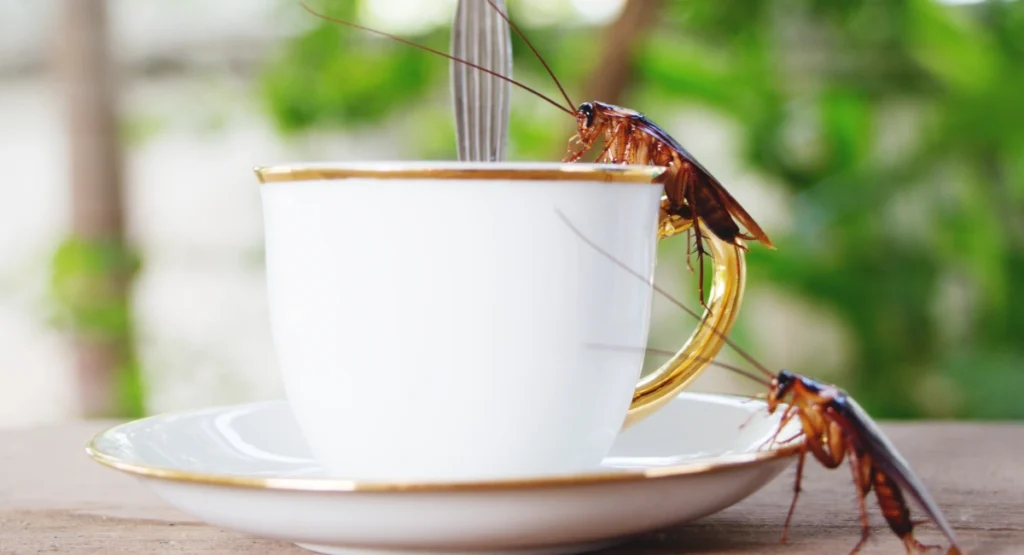
Where Do Cockroaches Hide in Your Home?
Once inside, cockroaches gravitate toward dark and moist areas. Common hiding spots include:
- Behind and beneath kitchen appliances (refrigerators, ovens, dishwashers)
- Inside cabinets and pantries, especially near food
- Under sinks and around leaky pipes
- In wall voids and behind baseboards
- In bathrooms, particularly around drains and under vanities
- Attics, crawl spaces, and basements
How to Prevent Cockroaches from Getting In
No home can be made completely pest-proof, but there are practical steps you can take to make yours much less attractive to cockroaches.
- Seal entry points: Use caulk to close gaps around pipes, baseboards, and exterior walls. Check weatherstripping on doors and repair any damaged window screens.
- Eliminate food sources: Store food in sealed containers, clean up crumbs promptly, and don’t leave pet food out overnight.
- Fix moisture issues: Repair leaky pipes, improve ventilation in damp areas, and prevent water from pooling under appliances.
- Reduce clutter: Clear out cardboard boxes and paper bags, especially in storage areas and garages.
- Inspect items before bringing them in: Check grocery bags, boxes, and secondhand items for signs of cockroaches before carrying them inside.
These steps can help reduce the risk, but DIY prevention has its limits—especially once cockroaches are already established. They breed quickly, hide well, and can develop resistance to over-the-counter treatments. For lasting results, professional cockroach control is the most effective route.
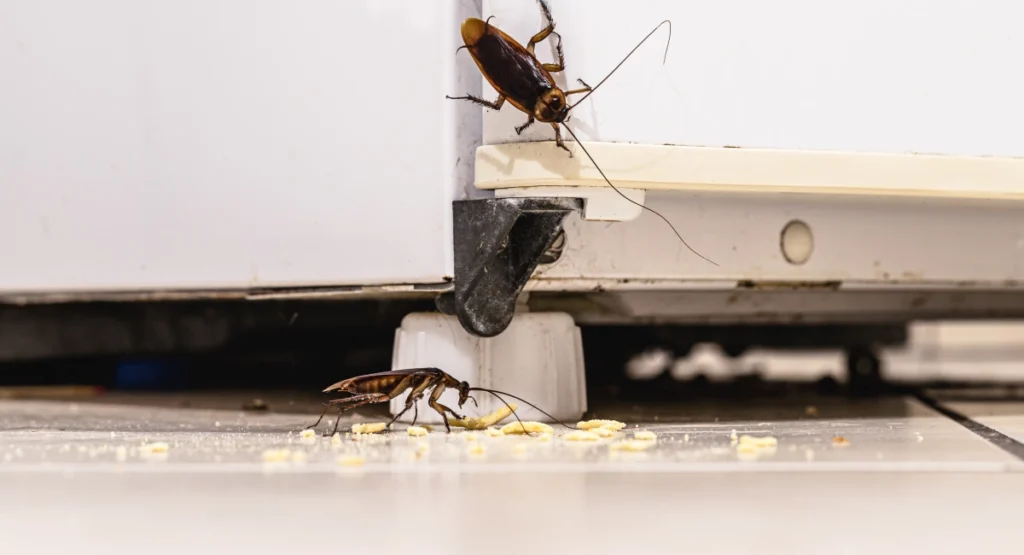
Florida Pest Control Exterminates Cockroaches
The best way to avoid cockroach infestations is to call your local Florida Pest Control office. Our specialists know how to identify the type of roaches you have and where they’re coming from. With this knowledge and our comprehensive treatment plans, we can eliminate active populations and help prevent future invasions.
Don’t let roaches become a bigger problem; contact Florida Pest Control today to reduce your risk of bites.