

We all like to think that if we keep our homes clean, it’ll be enough to deter pests from entering. When you do spot signs of mouse activity, it can understandably be quite alarming. So, how do mice get in the house?
For property owners, understanding how and where mice can enter will help to identify weak points and maintain exclusion techniques to keep them out before an infestation requires professional mice extermination.
How Do Mice Get in the House?
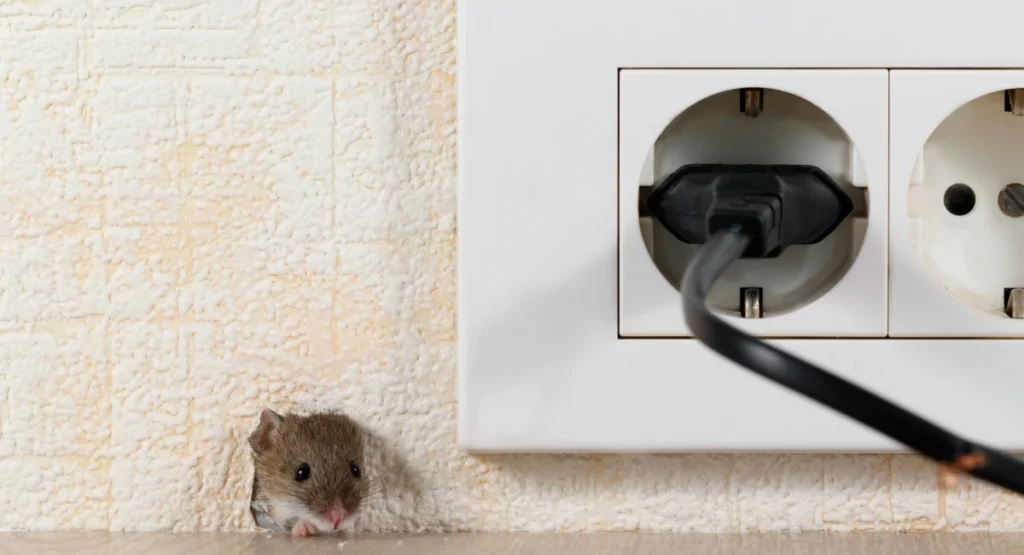
Due to their small size and ability to flatten their bodies to squeeze into tiny spaces, mice can get inside much more easily than you think. The reality is that mice do not enter or live in those quintessential cartoon mouse hole shapes. With the right resources, they can set up nests almost anywhere. Once you understand this, you’ll find it easier to figure out how—and why—they get in, so you can plan your next steps.
Why Are There Mice in My House?
Mice gravitate toward properties that promise the three things they crave most: a steady supply of food, water, and a cozy place to call home. Even the faint aroma of last night’s dinner, or an overflowing bin, can serve as an open invitation, leading them straight to your door.
With year-round heat and balmy temperatures in Florida, mouse activity never really takes a break. Our subtropical conditions are perfect for breeding, accelerating the journey from pup to parent and encouraging mice to nest and reproduce year-round. The numbers are staggering: in the case of the common house mouse, a modest gathering of 24 can explode into a colony of 2,000 individuals in as little as eight months.
Read more about what attracts mice.
Common Mouse Entry Points
Mice commonly enter buildings through poorly sealed transition seams, expansion joints, and flashing around a building’s exterior, exploiting small openings with their front teeth to make them larger.
Other entry points include:
- Gaps around utility pipes, cables, and air-conditioning lines
- Cracks in foundations, walls, brickwork, or siding
- Spaces beneath exterior doors or damaged door sweeps
- Open or damaged vents, including attic, dryer, and crawl-space vents
- Gaps around windows, garage doors, and rooflines
- Holes created by water damage, other pests, or general wear
Mice often follow edges, such as walls, fences, and utility lines, until they find a way inside. Once indoors, they can easily move through wall voids, ceilings, cupboards, and gaps behind appliances without being seen.
How to Help Keep Mice Out
Mice are notoriously difficult to track and control, and you’re far more likely to succeed with a tried-and-tested approach that combines exclusion, sanitation, and ongoing monitoring.
- Seal cracks and holes around building exteriors, especially near pipes, cables, doors, and vents
- Install or repair door sweeps and screens on vents and windows
- Store food, pet food, and supplies in tightly sealed containers
- Clean spills and crumbs promptly, including underneath or behind appliances
- Keep trash containers covered and remove waste regularly
- Reduce clutter indoors and in garages, sheds, and storage rooms
- Trim vegetation away from exterior walls and remove outdoor debris near the property
- Inspect regularly for new gaps, droppings, or gnaw marks
If you continue to find signs of mice after sealing obvious entry points, or are dealing with an infestation, a pest control professional can inspect the property, identify hidden access routes, and recommend a tailored control plan.