
Few things unsettle a homeowner or business owner quite like seeing the telltale traces of mice. These resourceful intruders favor discreet, secluded hideaways where they can nest and breed in peace, while being just a whisker away from their next meal.
Knowing exactly what to watch for gives you the upper hand, allowing you to nip trouble in the bud before the mischief grows into something far more sinister.
How To Identify a Mouse Nest
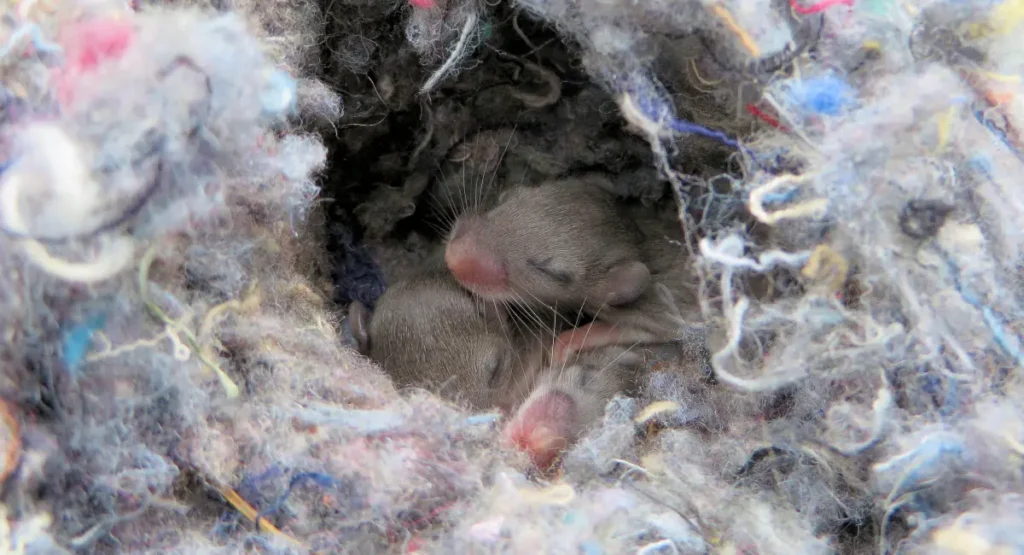
A mouse nest is usually a small, loosely formed bundle of soft materials. Mice shred and gather anything they can easily carry, including:
- Paper, cardboard, tissues, and napkins
- Insulation and fabric fibers
- Cotton, stuffing, and dryer lint
- Leaves, grass, and other outdoor debris
The nest may look like a messy ball or pile of shredded material and is often roughly the size of a grapefruit or small bowl. It may contain mouse droppings, food scraps, a strong, musky odor, or even baby mice.
Identifying a Mouse Nest in a House
A mouse nest in a house or other property type is often tucked away in shadowy nooks with good cover and easy access to food. The most common culprit is the house mouse, which typically nests in the following locations:
- Behind kitchen appliances and cabinets
- Inside wall voids, ceilings, and lofts
- Under sinks or near plumbing penetrations
- In cupboards, pantries, and stored boxes
- Inside upholstered furniture or rarely used drawers
- In garages, sheds, and storage areas
- Around insulation, clutter, or stacked materials
In Florida, deer mice may also nest in garages, outbuildings, roof spaces, and areas around air-conditioning equipment. The warm climate means mouse activity can occur year-round rather than being limited to colder months.
For business and commercial property owners, be sure to inspect stock rooms, break areas, utility rooms, false ceilings, loading areas, and spaces near stored food or cardboard packaging.
Signs of Mouse Activity Nearby
While the nest itself is usually hidden, mice often leave evidence behind. Here are some signs to watch out for:
- Small, dark, grain-like droppings, particularly near food, walls, or cupboards
- Shredded paper, fabric, or insulation
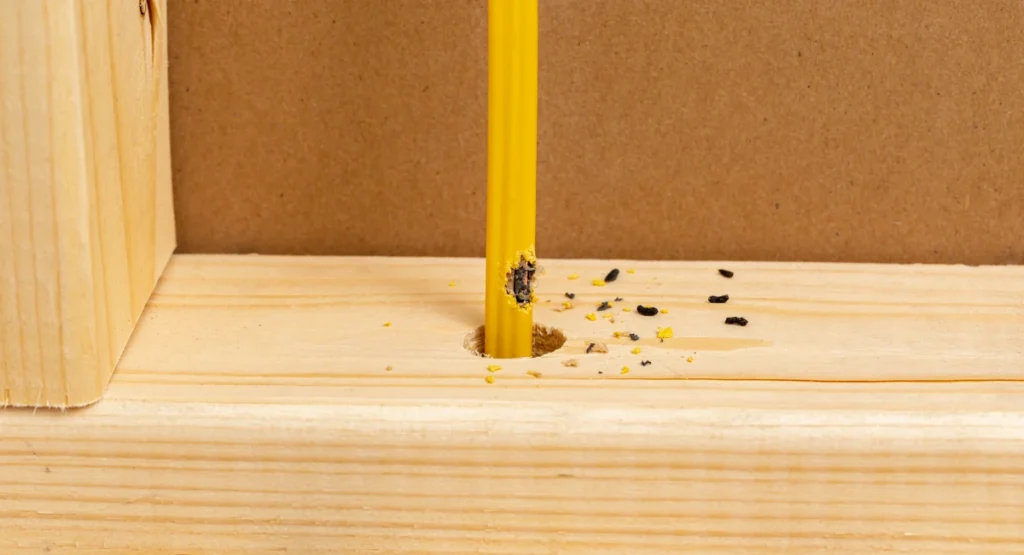
- Gnaw marks on food packaging, wiring, wood, or plastic
- A persistent musty or urine-like smell
- Scratching or scurrying sounds in walls or ceilings, especially at night
- Grease marks or small tracks along walls and baseboards
Mice can also be surprisingly brave and may venture into previously unknown areas in search of food, so an additional sign of mouse activity is an actual sighting within your property.
Some signs of rat activity can be similar, such as gnawed packaging, wiring, and wood, as well as scratching or scurrying noises during the night—but there are significant differences to look out for. Read our blog on mouse or rat identification to help you.
How to Remove and Clean Up a Mouse Nest Safely
Although it makes sense to want to remove any droppings or contaminated items immediately, you should proceed with caution. It’s important to remember that mice (and other rodents) can carry viruses and parasites.
Avoid sweeping or vacuuming dry droppings, nesting materials, or contaminated debris straight away, as this can stir up dust and particles from rodent waste. Instead:
- Ventilate the area for around 30 minutes if possible, keeping people and pets away from the space
- Wear protective equipment, such as disposable gloves and a well-fitting mask, particularly when cleaning a large amount of droppings or nesting material
- Wet the nest and droppings with a household disinfectant or a bleach solution (prepared according to the product label) and let it soak for several minutes
- Remove the material carefully using paper towels to pick up the dampened nest, droppings, and debris
- Seal and dispose of waste, ensuring you place it into a second plastic bag, and dispose of it in an outdoor garbage bin
- Disinfect the surrounding area by wiping down nearby surfaces and washing reusable cleaning tools
- Wash your hands thoroughly with soap and water
If the nest is in an inaccessible area, contains a vast amount of droppings, is in a commercial food-handling area, or you think there may be young mice inside, you should contact a licensed pest control professional for safe removal and treatment.
Preventing Future Mouse Nests
Removing one nest does not always solve the underlying problem of mice entering your building. For mouse control to work, you need to remove attractants (food, water, and shelter) and focus on exclusion to prevent mice from getting indoors in the first place.
Take these steps to help prevent nesting and stop mice from returning:
- Seal gaps around pipes, utility lines, doors, vents, and foundations
- Store food, pet food, and bird seed in sealed containers
- Clean crumbs, spills, and food waste promptly
- Keep indoor and outdoor bins tightly closed
- Reduce clutter in lofts, garages, storage rooms, and cupboards
- Keep vegetation, stacked materials, and debris away from the building exterior
Finally, consider scheduling quarterly pest inspections for your home, business, or property portfolio. Whether you need a mouse exterminator or help maintaining effective rodent prevention, we’ll respond quickly when problems arise.