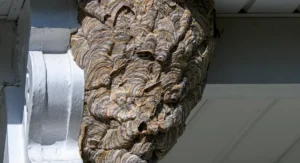
Yellowjacket

Yellowjackets in Florida

Found throughout the United States, yellowjackets are the most infamous wasps  of the stinging insects commonly found in Florida. 

What Do Yellowjackets Look Like?

Yellowjackets are small wasps with yellow and black markings on their abdomen. They have smooth, shiny bodies, and their stingers are capable of stinging multiple times. These insects are known for their aggressive behavior, especially when protecting their nests.

In Florida, there are two types of yellow jackets from the Vespula family: the Eastern yellow jacket (Vespula maculifrons) and the Southern yellow jacket (Vespula squamosa). Yellowjackets are often confused with bald-faced hornets (Dolichovespula maculata) because they look similar. However, bald-faced hornets are typically bigger in size and build their nests above ground, while yellowjackets build their nests underground.

These social wasps can be found in paper nests made from wood fiber, often hidden in wall voids or eaves.

Signs of a Yellowjacket Infestation

If you notice an increase in yellowjacket activity around your property, it may indicate a nearby nest. Look for these signs:

  1. Increased Yellowjacket Activity: Yellowjackets are most active in late summer. You may see them foraging for nectar or food around your home.
  2. Nests in Protected Places: Yellowjacket nests are often hidden in places like eaves, wall voids, or burrows in the ground. These nests are made of paper-like material and can be large.
  3. Aggressive Behavior: If you accidentally disturb their nest, yellowjackets may sting multiple times, injecting venom that can cause pain and, in some cases, allergic reactions.

If you suspect a yellowjacket infestation, it’s best to call pest control professionals who can safely remove nests and prevent sting risk. Contact the experts at Florida Pest Control today.

Habitat, Diet, Life Cycle & Behaviors

Yellowjackets are highly social wasps known for their aggressive behavior and large colonies. They build nests in a variety of locations, including underground burrows, trees, and structures. Their nesting habits, diet, and life cycle play a key role in their behavior and interactions with humans.

Where Do Yellowjackets Live?

Yellowjackets can be divided into ground nesters, which frequently use old rodent burrows, and aerial nesters. Above-ground nests are found among the leafy branches of trees and shrubs and also on structures. Occasionally, the nest may be constructed on the side of a building, in wall voids, under eaves, crawlspaces, and attics. The entrance of the nest is normally a hole located at the bottom. 

These aerial nesters don’t become scavengers in the fall, but they are extremely defensive when their nests are disturbed. Locating the nest, through observing flight patterns, is essential to eliminate them.

Diet

These wasps are scavengers and eat many types of food. Adult yellowjackets feed mainly on fruit juices and other sweet liquid materials, whereas their larvae are fed bits of soft-bodied insects like caterpillars and flies. In late summer, when natural food sources are fewer, yellowjackets become more aggressive in their search for sweet foods, including food scraps from humans.

Life Cycle

Yellowjackets begin their life cycle in spring when a fertilized queen starts a new colony. She builds a small paper nest and lays eggs that hatch into worker yellowjackets. These workers help expand the nest and take care of the colony. As summer continues, the colony grows bigger, and new queens and males are made. By late summer, the colony reaches its full size. In the fall, most of the colony dies off, and the fertilized queens overwinter, starting the cycle again the next year.

Behaviors

Yellowjackets are social wasps that live in large colonies. They protect their nests and can become very aggressive if they feel threatened. These beneficial wasps live in colonies with thousands of individuals and would be a lesser threat to humans were it not for their opportunistic behavior of nesting in structural voids, attics, and cavities associated with landscaping features. They are most active in late summer when they are foraging for food and defending their nests.

Are Yellowjackets Dangerous?

Yes, yellowjackets can be dangerous. Yellowjackets are slow to sting unless their nest is threatened. However their stings pose a more serious threat to humans than bees’ stings, because a yellowjacket’s stinger is not barbed like a honeybee, allowing it to sting repeatedly. Some individuals are more sensitive than others, due to allergic reactions, and should seek medical attention when stung. These wasps are known to become more aggressive in the late summer and early fall months.

Sometimes yellowjackets living in wall voids chew their way through the drywall and enter the structure’s living space. Naturally, the presence of large numbers of wasps flying around the room can be alarming to homeowners. If you spot a yellowjacket nest, always contact a licensed wasp removal expert for help.

How to Get Rid of Yellowjackets?

The safest way to get rid of yellowjackets is to call a professional pest control service like Florida Pest Control. Our experts can find and remove yellowjacket nests without causing harm. Trying to remove a nest yourself can be dangerous, especially if you disturb the yellowjackets.

Yellowjacket Prevention Tips

To prevent yellowjackets from nesting near your home, follow these tips:

  • Seal cracks and gaps: Block any entry points around your home to prevent yellowjackets from getting inside.
  • Keep trash bins covered: Make sure your trash bins are tightly sealed to avoid attracting yellowjackets with food scraps.
  • Remove fallen fruit: Yellowjackets are drawn to sugary foods, so pick up any fallen fruit from trees regularly.
  • Inspect for nests: Check areas like eaves and wall voids for early signs of nests to catch them before they become a problem.

Need Help with Bees, Wasps, or Hornets?

Don’t wait to act. From yellowjackets to paper wasps to honeybees, these stinging insects can be dangerous, especially when threatened. Our team of bee, wasp, and hornet exterminators will safely remove nests and help prevent future infestations. Get your FREE quote with Florida Pest Control today.

FAQs

How can you get rid of a yellowjacket nest?

To safely get rid of a yellowjacket nest, it’s best to contact pest control experts, who have the necessary protective clothing and expertise. Attempting to remove the nest yourself can be dangerous since yellowjackets can sting multiple times when threatened.

Are yellowjackets pollinators?

Yes, yellowjackets do help with pollination. As their primary diet consists of nectar and sugary foods, they visit flowers to feed, transferring pollen in the process.

Do yellowjackets leave stingers?

Unlike honey bees, yellowjackets do not leave their stinger behind when they sting. Their smooth stinger allows them to sting multiple times. This can make them more dangerous to humans, especially if they feel their nest is threatened.

Where do yellowjackets nest?

Yellowjackets build nests in various locations, including underground burrows, tree branches, eaves, and wall voids. They construct their nests using wood fiber, creating paper-like structures.

Where do yellowjacket wasps go in the winter?

In winter, yellowjacket colonies typically die off, but fertilized queens survive. These queens overwinter in protected places, such as under tree bark or in wall voids. Come spring, the queen will start a new colony, laying eggs that hatch into workers to help build the nest.

Paper Wasp

Paper Wasps in Florida

Paper wasps are amongst the more common wasp species found in Florida. There are over 22 species of paper wasps in the U.S., and most of them are brownish in color with yellow markings. 

Often confused with yellowjackets, paper wasps are sometimes referred to as umbrella wasps, and are most easily identified by their nests. Paper wasp nests often look like an upside-down paper cone and typically hang from a horizontal surface in a shaded, protected location. Like other types of wasps, paper wasps feed on insects, spiders, and the like.

What Do Paper Wasps Look Like?

Paper wasps are slender with long legs that dangle while flying. They typically grow up to 1 inch in length and have smooth bodies with yellow markings on their abdomen, which helps distinguish them from honey bees or European hornets. 

Some species, like the European paper wasp (Polistes dominula), have a reddish tint, while others, like the northern paper wasp (Polistes fuscatus) have darker coloring. The common paper wasp (Polistes exclamans) can be identified by its reddish-brown body.

All types of paper wasps have noticeable antennae and a thin petiole, which is the narrow “waist” that connects their thorax to their abdomen. This gives them their unique, slender look.

Signs of a Paper Wasp Infestation

Knowing the signs of a paper wasp infestation can help you spot the problem early and prevent a more serious issue. Look out for:

  • Nests near eaves or porch ceilings: Look for nests made of chewed paper fibers, often found in sheltered areas.
  • Increased wasp activity: Wasps flying around nesting sites or entrances, especially during the warmer months as they build new nests.
  • Nests that resemble open umbrellas: These nests are often made of thin layers of paper and can be seen hanging from tree branches or under roof overhangs.
  • Presence of wasp larvae: If you see paper wasps bringing insects like caterpillars back to the nest, it’s a sign they’re feeding their larva.
  • Aggressive behavior: If the nests are disturbed, paper wasps may become defensive.

If you notice these signs around your home, it’s a good idea to take action before the infestation grows. Our wasp experts at Florida Pest Control can safely remove nests and prevent future problems.

Habitat, Diet, Life Cycle & Behaviors

Understanding the habitat, diet, and behaviors of paper wasps can help homeowners manage their presence.

Where Do Paper Wasps Live?

Paper Wasp nest in a White Cedar Tree - Ontario, Canada

Paper wasp nests are known to look like upside-down umbrellas and have a papier-mȃché feel to them. Unlike yellowjacket nests, paper wasp nests are partially open and not completely covered. 

Nests can most often be found on tree branches or under eaves, attic rafters, and porch ceilings. Because nests can be built directly on a home, these wasps have been known to make their way indoors through holes in attic vent screens or underneath shingles.

Diet

Paper wasps mainly feed on nectar from flowers, but they also hunt other insects like caterpillars. They bring these insects back to their nests to feed their larva. This makes them helpful for controlling garden pests, though they can become a nuisance when they nest near human activity.

Life Cycle

The life cycle of a paper wasp starts in the spring. A fertilized queen finds a spot to build a new nest. She lays eggs that hatch into larvae, which grow and pupate before turning into adult wasps.These larvae develop into workers who help the queen by building the nest, gathering food, and caring for the next generation. In the fall, new queens are born. These queens overwinter and begin the cycle again the next year.

Behaviors

Similar to mud daubers, paper wasps are considered to be beneficial to the environment for keeping the insect population under control. They also assist in pollination by feeding on nectar. They are mostly solitary when it comes to feeding, but they live in colonies.

These wasps use pheromones to communicate with each other, especially when warning the colony of danger. They work together to build nests and care for the larvae. Worker wasps are responsible for gathering food, while the queen focuses on laying eggs. 

Are Paper Wasps Dangerous?

Paper wasps are considered aggressive and have been known to sting repeatedly when threatened. For this reason, it’s important to never disturb their nest. Stings can be extremely painful, which is why you should leave it up to a professional wasp control company to control paper wasp infestations in or near your home.

Some people may have allergic reactions, which can lead to trouble breathing, dizziness, or swelling in other parts of the body. If this happens seek medical help immediately.

How To Get Rid of Paper Wasps

The best and safest way to get rid of paper wasps is by hiring a professional pest control service like Florida Pest Control. Professionals have the expertise to safely remove paper wasp nests and address potential nesting sites to prevent future infestations.

Attempting to remove a nest yourself can be dangerous and increase the risk of being stung. Don’t take the risk— let the experts handle it. If you’re dealing with a paper wasp problem, contact Florida Pest Control today.

Paper Wasp Prevention Tips

To avoid dealing with paper wasp infestations, follow these simple prevention tips:

  • Seal cracks and holes: Close gaps around doors, windows, and eaves where wasps might build nests.
  • Remove food sources: Clean up spills and garbage to prevent attracting wasps looking for food.
  • Inspect outdoor spaces: Check porch ceilings, tree branches, and other sheltered areas for early signs of nests.
  • Use wasp deterrents: Hang fake nests or apply deterrent sprays in high-risk areas.
  • Trim vegetation: Cut back overgrown shrubs or trees to reduce potential nesting spots.

Need Help with Bees, Wasps, or Hornets?

If you’re dealing with bees, wasps, or hornets around your home, it’s important to act quickly. From paper wasps to velvet ant wasps, no matter the species, these stinging insects can be dangerous when threatened.

Florida Pest Control offers safe and effective solutions to remove these pests and prevent future issues.

FAQs

Are paper wasps aggressive?

Yes, paper wasps can be aggressive if they feel their nest or larvae are in danger. They use their stinger to defend themselves and their colony. If they feel threatened, they can sting multiple times to protect the nest, especially when guarding their queen.

How big will paper wasps make their nest?

Paper wasp nests can be about 6 to 12 inches wide. They are built in protected areas like eaves of houses, tree branches, or porch ceilings. A queen starts the nest, and it grows as more wasps join the colony and help build it.

Do paper wasps die in winter?

Paper wasp workers die in the winter, but the queen survives by overwintering in a safe spot. In the spring, she starts a new colony by laying eggs. The cycle repeats each year with a new queen and larvae.

Do paper wasps have a queen?

Yes, each paper wasp colony has one queen who lays all the eggs. The workers take care of the nest and protect the queen. In winter, the queen overwinters until she wakes up to start a new colony in the spring.

Do paper wasps pollinate?

Yes, paper wasps help pollinate plants. They feed on nectar from flowers and, while doing so, spread pollen.

Bald-Faced Hornet

Bald-Faced Hornets in Florida

The bald-faced hornet is a large, aggressive stinging insect commonly found in Florida. Despite its name, it is technically a type of yellowjacket and is known for its distinctive black-and-white markings. These pests build large, paper-like nests in trees, shrubs, and buildings, often defending them aggressively if disturbed. While they play a role in controlling other insect populations, their defensive nature can pose a threat to people and pets.

What Do Bald-Faced Hornets Look Like?

The bald-faced hornet (Dolichovespula maculata) resembles the yellowjacket wasp and gets its name from the ivory-white markings on its face. Their color and size often cause them to be mistaken for other types of wasps, but they are slightly larger than yellowjackets, making them easy to identify when spotted. Their facial markings are also a reliable feature to differentiate them.

Brushing up on bald-faced hornet information may just help you spot them. If you’re unsure, call in the bee, wasp, and hornet exterminators and check out our guide to stinging insects in Florida.

Signs of a Bald-faced Hornet Infestation

A clear sign of an infestation is the presence of a large, gray, paper-like nest. These nests are often football- or basketball-shaped and found in trees, on buildings, or under eaves. Increased hornet activity around food, garbage, or outdoor spaces can also indicate the proximity of a colony. If you notice hornets aggressively defending a specific area, their nest is probably nearby.

Habitat, Diet, Life Cycle & Behaviors

Understanding the habitat, diet, life cycle, and behaviors of bald-faced hornets can help you avoid conflicts and safely manage their presence.

Where Do Bald-Faced Hornets Live?

A bald-faced hornet’s paper nest

The bald-faced hornet is more likely to build its large, paper nest around areas where humans live, work, and play. These hornets build gray-colored, egg-shaped nests that can become quite large, some growing to 24 inches in length and 30 inches in diameter. Bald-face hornet nests are created in spring and early summer by worker hornets chewing on natural wood fibers and mixing it them with their saliva. Bald-faced hornets will construct nests in trees, under eaves, around light structures on buildings, and inside children’s playhouses. When the nest is finished, it will be the size of a football or basketball.

Diet

Bald-faced hornets primarily feed on live prey and sugary substances. They hunt other insects, such as flies and caterpillars, to feed their developing larvae. Adult hornets, however, prefer nectar, fruit juices, and other sugary liquids. Their attraction to sugary foods often brings them into contact with people, especially during picnics or near garbage cans.

Life Cycle

The life cycle of a bald-faced hornet begins in the spring when a fertilized queen emerges from her winter hiding spot. She builds a small nest and lays her first eggs, which develop into worker hornets. These workers then take over the nest-building and foraging duties while the queen focuses on laying more eggs. Colonies grow throughout the summer and peak in population during late summer or early fall. As temperatures drop, the colony dies off, except for newly mated queens which hibernate and begin the cycle anew the following spring.

Behaviors

Bald-faced hornets are relatively large flying insects. Like Africanized honey bees, they will defend their nests aggressively when they feel threatened. When defending their colony, they release alarm pheromones that signal other hornets to attack, often swarming intruders in coordinated assaults. As well as using pheromones, bald-faced hornets also use body movements, like antennal tapping and vibration signals, to communicate.

These beneficial wasps live in colonies of 100-400, with population sizes peaking at the end of the summer. They wouldn’t be such a threat to humans if they did not nest in attics and cavities found around the home and yard.

Unlike honeybees, bald-faced hornets do not die after stinging. They are also highly active during the daytime, foraging for food and building their nests.

Are Bald-Faced Hornets Dangerous?

Bald-faced hornet stings are venomous and can cause pain and swelling for about 24 hours. People who are allergic to bee stings may have similar reactions to a bald-faced hornet sting. Bald-faced hornets scavenge in trash cans and forage upon food and beverages consumed outdoors. They also consume ripe fruit in yards, farms, and vineyards. In the autumn, due to cooler temperatures and reduced food, wasps seek warm shelter. This is when they are more likely to invade homes.

As with many stinging insects, these pests will sting if they feel threatened or their nest is in danger. In protecting yourself against bald-faced hornets, information is key. But if a nest is located near human activity, it is important to contact an experienced bee exterminator.

How To Get Rid of Bald-Faced Hornets

Eliminating bald-faced hornets requires caution and expertise due to their aggressive nature. Attempting to remove a nest on your own can lead to multiple stings. We recommend you contact a professional pest control company like Florida Pest Control. Our team is trained in safe and effective nest removal methods, ensuring your safety and the complete elimination of the hornet colony.

Bald-Faced Hornet Prevention Tips

To prevent bald-faced hornets from nesting near your home or business:

  • Regularly inspect your property for early signs of nest building, especially during spring and summer.
  • Seal cracks and gaps in walls, soffits, and eaves to eliminate potential entry points.
  • Keep garbage cans tightly sealed and clean up food and drink spills as quickly as you can.
  • Trim trees and shrubs to reduce nesting opportunities near your home.
  • Use yellow outdoor lighting, which is less attractive to flying insects.

Need Help with Bees, Wasps, or Hornets?

If you’ve noticed bald-faced hornet activity on your property or discovered a nest, don’t wait for the problem to escalate. Florida Pest Control offers expert removal services tailored to your specific needs. Contact us today to schedule a free inspection and take the first step toward reclaiming your outdoor spaces.

Frequently Asked Questions

How far do bald-faced hornets travel from their nest?

Bald-faced hornets typically travel up to 200 yards from their nest to forage for food. They prefer to stay close to their colony for protection and efficiency.

Do bald-faced hornets sting?

Yes, bald-faced hornets can sting, and they will do so repeatedly if they feel threatened or if their nest is disturbed. Unlike some bees, they have smooth stingers and do not lose their stinger after stinging.

How bad is a bald-faced hornet sting?

A bald-faced hornet sting can be quite painful due to its venom, which causes localized swelling, redness, and a burning sensation lasting about 24 hours. People with allergies to insect stings may experience more severe reactions.

How aggressive are bald-faced hornets?

Bald-faced hornets are highly aggressive, especially when defending their nest. They will attack perceived threats en masse, making them one of the more defensive stinging insects.

Where do bald-faced hornets nest?

Bald-faced hornets build large, paper-like nests in trees, shrubs, under building eaves, or in other elevated outdoor locations. These nests are usually gray, football-shaped, and can grow quite large over the summer months.