What Are Smokybrown Cockroaches?
The smokybrown cockroach is a large, dark roach often found around homes in Florida. Known scientifically as Periplaneta fuliginosa, this insect is part of the same family as the American cockroach but has different habits and preferences. The smokybrown cockroach loves moisture and warm temperatures. This makes Florida a great place for it to be active all year.
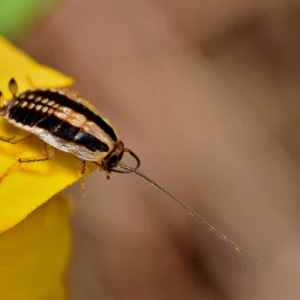
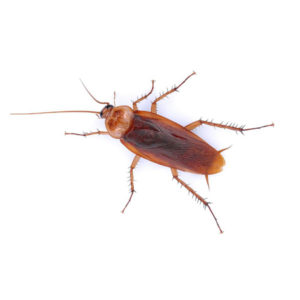
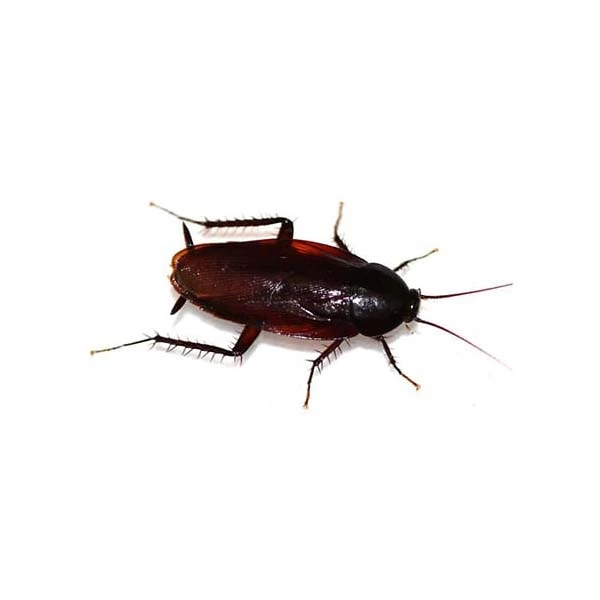
Identifying smokybrown cockroaches is usually easy. They have a uniform dark brown or mahogany color and long wings. Smokybrown roaches are different from others. They fly well and like to be outside. You can often see them near lights at night.
Key Characteristics
Adult smokybrown cockroaches typically reach lengths of one and a half inches. Their bodies are glossy, dark brown, and fully covered with wings that extend past the abdomen. Unlike other roaches with lighter markings, the smokybrown cockroach has no visible stripes or spots. These roaches are known for their ability to fly and are frequently seen in well-lit areas at dusk. Understanding smokybrown cockroaches behavior helps explain how they get into buildings and where they tend to hide.
The Lifecycle of Smokybrown Cockroaches
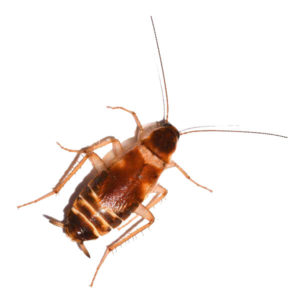
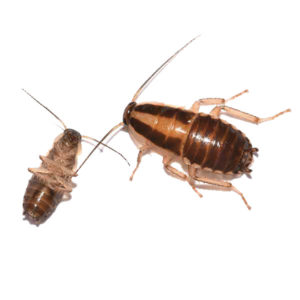
The smokybrown cockroach lifecycle begins when the female produces an egg capsule, known as an ootheca, which can contain up to 20 eggs. These capsules are typically hidden in warm, damp spots such as roof gutters, beneath mulch, or inside tree holes. Once the eggs hatch, nymphs emerge and go through several molts, gradually developing into fully winged adults. This process can take several months, with warmer, humid conditions speeding up their growth.
Outdoor environments with consistent moisture create ideal breeding conditions for smokybrown cockroaches. Without effective management, populations can increase rapidly, particularly in landscaped areas or near buildings where moisture is present.
Habitat and Diet of Smokybrown Cockroaches
Smokybrown cockroaches live in shaded, damp spots and need water to survive. They will not live long in dry conditions and often seek out areas with consistent moisture.
They feed on organic matter, including leaves, plant debris, garbage, and even animal waste. Indoors, they may also eat leftover food, paper, and soap. Their diet is broad, which means they can adapt to many environments once they find entry.
Preferred Environments of Smokybrown Cockroaches
You can find smokybrown cockroaches in gutters, flower beds, woodpiles, and sheds. These cockroaches need water and will not live long in dry conditions. Outdoors, they often gather in tree holes, under bark, or around leaky faucets and rooflines. When they invade homes, they usually enter through vents, gaps in siding, or attic spaces.
Smokybrown Cockroach Behaviors, Threats, or Dangers
Though their preferred habitat is outdoors, smokybrown cockroaches can still cause problems for homeowners, especially in humid environments. They live in various disgusting places, from piles of dead leaves to storm drains and sewers, and even eat bird droppings. When entering your home, they will bring dangerous bacteria, contaminating cooking and eating surfaces. Their skin may also trigger allergies in sensitive people. They rarely survive in dry indoor environments, though rare cases of indoor infestations can occur in moist, organic-rich conditions. They are often found dead indoors, likely due to dehydration. If you suspect a Smokybrown cockroach infestation, it is recommended to contact a professional cockroach exterminator.
Managing Smokybrown Cockroaches
Managing smokybrown cockroaches requires both prevention and treatment. Because they live and breed outdoors, it is vital to reduce conditions that attract them in the first place. Homes surrounded by dense plants, mulch, and standing water are more likely to have issues. Once inside, these cockroaches may hide in attics, wall voids, or crawlspaces.
Preventing Infestations of Periplaneta fuliginosa
Seal entry points and check roof vents, soffits, and gaps in windows to prevent Periplaneta fuliginosa from entering your home. Also, keep gutters clean and remove leaf litter to reduce moisture and shelter, making the area less inviting.
Outdoor lighting should be used carefully, as these cockroaches are drawn to bright lights at night. You should tightly seal food waste and clean regularly to limit attraction, especially in outdoor trash bins.
Effective Smokybrown Cockroach Control Methods
Controlling a smokybrown cockroach infestation often requires professional help. These highly mobile pests can live in multiple outdoor hiding places that are difficult to treat with standard sprays. Baiting and barrier treatments can lower roach activity. However, new roaches will keep showing up unless we address the root issue.
If you see signs of smokybrown cockroach activity around your home, Florida Pest Control is ready to help. Our team knows how to find the source and stop Periplaneta fuliginosa before it becomes a bigger problem. Let us build a custom plan that fits your property and helps you manage the issue in the long term.
Our cockroach exterminators use targeted solutions focusing on interior and exterior environments. We work to identify breeding sites and break the lifecycle through specialized treatments and follow-up inspections. To learn more about how to get rid of cockroaches, including smokybrown cockroaches, visit our full guide here.
Frequently Asked Questions
How Can I Identify a Smokybrown Cockroach?
They are glossy, solid dark brown, and have long wings that cover the body. They are larger than most indoor cockroach species and are capable of flying.
Where do Smokybrown Cockroaches Live?
They live outdoors in warm, moist areas, such as mulch beds, gutters, tree bark, and utility sheds. Indoors, they are found in attics, basements, or crawlspaces.
Are Smokybrown Cockroaches Dangerous?
These cockroaches can contaminate food and surfaces with bacteria. Their presence can also cause allergies or trigger asthma in sensitive individuals.
What do Smokybrown Cockroaches Eat?
They feed on decaying leaves, garbage, pet waste, leftover food, and paper. Their broad diet makes it easy for them to survive in many areas.
Are Smokybrown Cockroaches Hard to Eliminate?
Yes. As they live outdoors and can fly, they often return after treatment unless the source and entry points are addressed. Professional help is recommended.