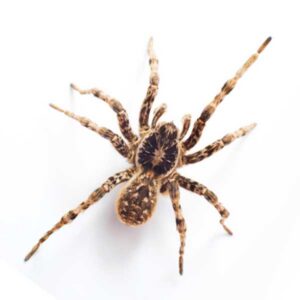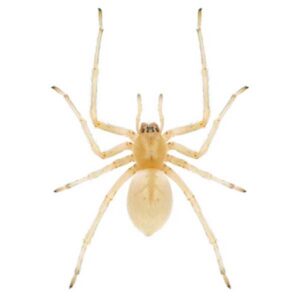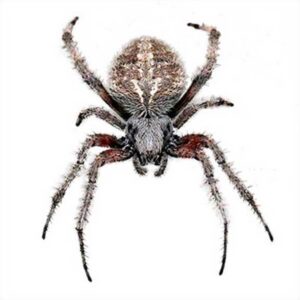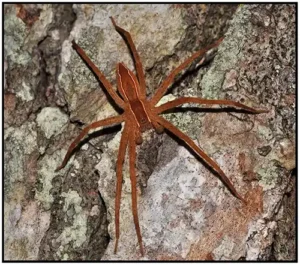
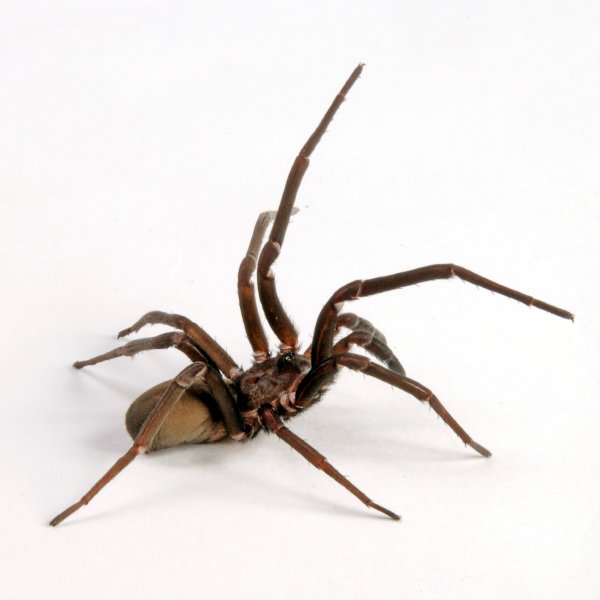
Known scientifically as members of the Filistatidae family, the Crevice Spider is common throughout Florida and the United States. These spiders prefer dark, narrow hiding spots, making cracks, corners, and crevices their ideal habitat.
While they are sometimes called crevice weaver spiders because of the funnel-like webs they spin, their appearance and behavior often cause unnecessary alarm. Understanding crevice spider size, venom, and behavior helps homeowners recognize that while they may look intimidating, they are very different from the most venomous spiders and rarely pose significant health threats to humans.
Crevice Spiders in Florida
Florida’s climate supports various spider species, and the southern crevice spider is one of the most common. These spiders thrive in residential neighborhoods, commercial buildings, and natural outdoor environments across the state. As Crevice Spiders resemble the brown recluse, people often worry about them, and they frequently spark pest control calls. However, crevice spiders are not recluse spiders. Learning how to tell a crevice spider from a brown recluse is essential for reducing unnecessary panic.
The crevice spider Florida residents encounter most often is sometimes referred to as the southern house spider. Though the two are not the same, they belong to closely related groups with similar habitats and behaviors. Florida Pest Control frequently receives calls about spiders crawling along ceilings, corners, and window frames. In many cases, these are crevice spiders rather than harmful species.
How to Identify a Crevice Spider
It’s crucial to know the differences when comparing crevice spiders to more dangerous lookalikes. Crevice spiders are dark brown to gray, with females tending to be larger than males. Their bodies are elongated and slightly flattened, which helps them fit into the narrow cracks they prefer. Crevice spiders don’t have the violin-shaped mark that brown recluses do. This makes their bodies look more uniformly colored.
Another identifying factor is their web. Crevice spiders spin funnel-like webs in secluded areas such as wall voids, cracks in brickwork, or under eaves. These webs are often dusty and appear unkempt, but they serve as an effective trap for insects.
If you see a spider crawling quickly across a wall or corner, it may be a male crevice spider searching for a mate. Males wander more frequently than females, one reason homeowners often encounter them indoors.
Crevice Spider Size and Characteristics
Crevice spiders are different from many house spiders. They have eight eyes in a unique semicircle pattern. Eye arrangement is a common way to tell different spider families apart. This feature helps pest professionals identify spiders easily.
Because of their similar size and color, the males are sometimes mistaken for small brown recluse spiders. However, careful examination reveals key differences: Brown recluse spiders have six eyes arranged in pairs, while crevice spiders always have eight. For Florida residents concerned about brown recluse lookalikes, this distinction is one of the most important.
Crevice Spider Habitat
Crevice Spiders get their name because they hide in narrow wall gaps. This helps them avoid predators. In these gaps, they wait for insects to wander into their webs. In Florida, they are commonly found around homes, in barns, sheds, garages, and even inside commercial buildings. Outdoors, they inhabit tree bark, rock crevices, and piles of wood.
Their webbing is often tucked deep inside a crack with only a small visible entrance. This setup allows the spider to retreat far into the web if disturbed, making it difficult to remove them without professional spider extermination services.
Are Crevice Weaver Spiders Venomous?
While all spiders have venom to subdue their prey, crevice spider venom is not considered medically significant to humans. Their bites are rare and usually occur only if the spider is trapped against the skin.
A crevice spider bite usually results in mild irritation similar to a mosquito bite, with localized redness or itching. Unlike the venom of the brown recluse, crevice weaver spider venomous effects do not cause tissue damage or systemic illness. For this reason, crevice spiders are not listed among the most venomous spiders in North America.
However, misidentification remains a concern. Because these spiders resemble the brown recluse, residents sometimes fear the worst when they spot one indoors. Consulting pest professionals can help confirm the species and provide peace of mind.
Crevice Spider Behaviors, Threats, or Dangers
Crevice spiders are nocturnal hunters that rely on their webs to capture prey. They primarily feed on insects such as flies, beetles, and small crawling pests that wander into their webs. This makes them beneficial in some respects, as they help control other pest populations.
Despite their usefulness, crevice spiders can become a nuisance when they build webs in homes or businesses. The webs collect dust and debris, creating unsightly corners. In commercial environments, such as food service or retail spaces, this can negatively affect the perception of cleanliness.
The biggest threat associated with crevice spiders is mistaken identity. A spider crawling quickly across a wall may alarm residents who fear a brown recluse infestation. Their similar appearance has earned them a reputation they do not truly deserve. Still, their presence indoors often warrants removal, especially if populations grow large.
Crevice Spider Frequently Asked Questions
How Big Do Crevice Spiders Get?
Crevice spiders typically measure between 1/4 and 3/4 of an inch in body length, with females larger than males. Their legs make them appear bigger than they actually are.Do common house spiders bite humans?
Do Crevice Spiders Only Live In Cracks And Corners?
Crevice spiders like to hide in cracks, crevices, and corners. They also build webs in sheltered spots outdoors, such as tree bark and rock piles. Indoors, they gravitate to window sills, attics, and wall voids.
Do Crevice Spiders Bite Humans?
Crevice spider bites are uncommon and usually occur only when the spider is trapped against the skin. Their venom is not dangerous, and bites typically cause mild irritation.