
Termite Life Cycle & Lifespan Explained
Termites can cause damage to properties and become quite a nuisance. But how long do termites live? Knowing how termites grow and what the average lifespan is can help you spot early signs of a problem. The termite life cycle includes several stages, each with a specific role in building and sustaining a colony. Understanding this process is key to protecting your home.
Understanding the Termite Life Cycle
The early stages of a termite’s development shape its future role in the colony. Below, we explain how termites grow from egg to adult and how the king and queen drive the colony’s growth.
How Termites Develop From Egg to Adult
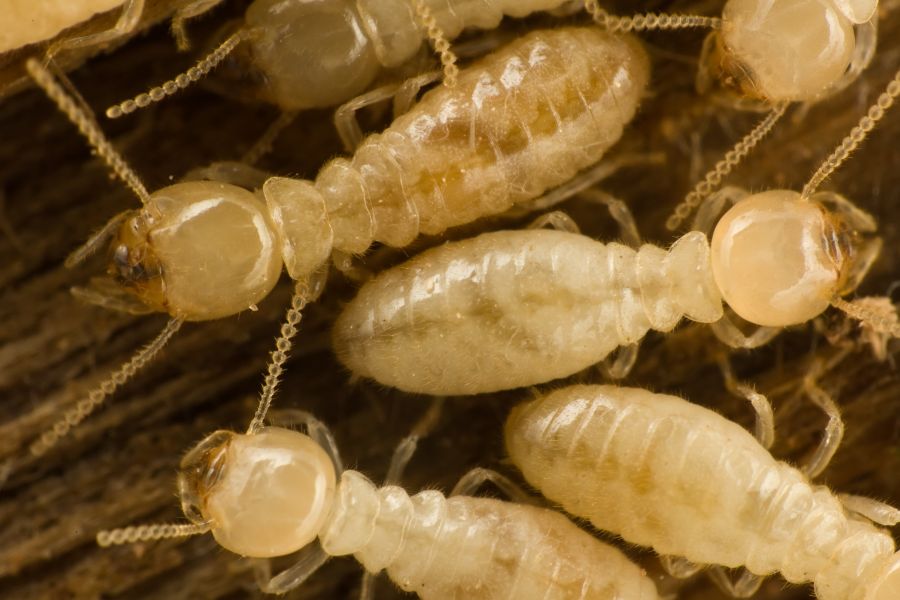
The termite life cycle starts when the queen lays her first batch of termite eggs. These hatch into larvae that grow into termite nymphs. Nymphs go through several molting stages, shedding their exoskeletons as they grow. Over time, they develop into adults and are assigned to one of the termite castes (roles within the colony): worker termites, soldier termites, or reproductive termites. Each caste has specific duties to meet that support the survival and growth of the colony. The full life cycle of a termite helps the colony grow and adapt to its environment.
Role of the Queen and King in Colony Growth
The queen termite and king are the founding members of a termite colony. Once they swarm, mate, and settle into a new area, they form the heart of the colony. The queen’s main role is to reproduce. She can lay thousands of eggs a day, depending on the species. The king stays close, mating with her regularly to ensure the colony grows. Their survival and mating activity are critical to the life cycle of all future termites in the colony.
Do You Have a Termite Problem? We Can Help.
Click the button below to leave your information & we'll be in touch in an hour or less.
Get a FREE quoteStages of the Termite Life Cycle
Each stage of the termite life cycle is crucial to the development of a strong and productive colony. From tiny eggs to adult termites, these insects develop quickly and take on different jobs as they mature. Knowing how termites grow can help you spot early signs of trouble before a colony becomes a bigger problem. Here’s the full termite life cycle:
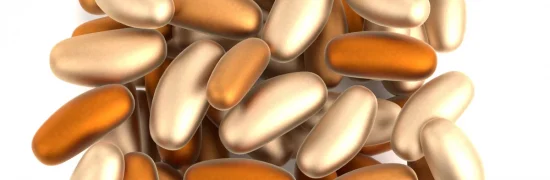
- Egg stage: The termite life cycle begins when a queen termite lays her eggs in the nest. These eggs are soft and white, and they hatch within a few weeks. The number of eggs depends on the species, but the output can be very high, especially in mature termite colonies.
- Nymph stage: After hatching, larvae become nymphs, small and pale insects that look like tiny adults. Nymphs grow by molting, a process of shedding their skin. With each molt, they get closer to their adult form. Some nymphs stay on a development path toward becoming worker termites, while others become reproductives or soldiers.
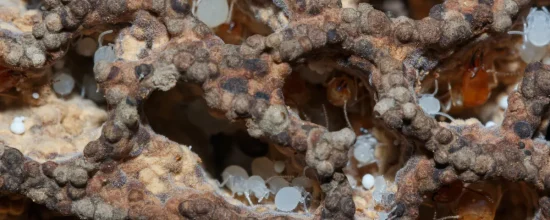
- Worker caste: Worker termites are the backbone of the colony. They care for the eggs, feed other castes, maintain the nest, and help build mud tubes. They don’t have wings or eyes, but they play a huge role in supporting the colony and its day-to-day needs. These workers help excavate tunnels and gather food for the group. As with the other castes, workers can communicate with one another through the use of pheromone trails.

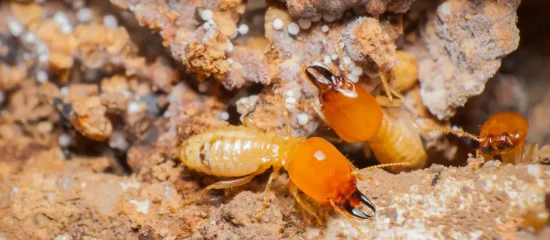
- Soldier caste: Soldier termites defend the colony from predators like ants and other intruders. They have large mandibles (pincer-like parts, which are used to protect the colony from invaders) and rely on workers to feed them. Their main role is protection, and they’re often stationed near entry points. The soldier caste can’t reproduce but is key to colony survival.
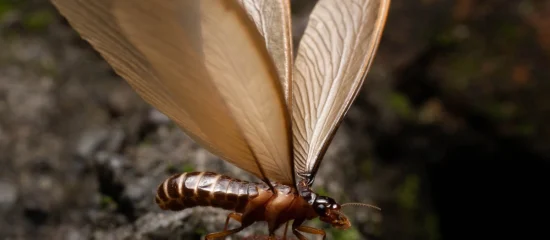
- Reproductive caste: This caste includes alates, or swarmer termites, which are winged and leave the nest to form new colonies. Once a male and female mate, they lose their wings and become the queen and king. There are also secondary reproductives, which can lay eggs if the primary queen dies or becomes less productive. This caste is responsible for continuing the colony’s termite life cycle. Find out more about how termites spread.
Lifespan of Different Termite Castes
The lifespan of a termite depends on its role in the colony, so how long does a termite live?
- Queen termite lifespan: The termite queen has the longest termite lifespan in the colony. In ideal conditions, she can live up to 20 years, constantly laying eggs and maintaining the colony. Her survival is crucial for the colony’s stability and growth.
- King termite lifespan: The king’s job is to fertilize the queen throughout her life. Though not as long-lived as the queen, a king may live up to seven years. His presence ensures that egg production remains steady and the termite colony continues to thrive.
- Worker and soldier lifespan: Worker termites and soldier termites have a shorter termite lifespan, usually between one to two years. Their lives may be shorter in harsh environments or if predators are present. Even so, their work is vital to the survival of the colony.
Do You Have a Termite Problem? We Can Help.
Click the button below to leave your information & we'll be in touch in an hour or less.
Get a FREE quoteFactors That Affect Termite Lifespan
The termite’s lifespan is influenced by its environment: temperature, humidity, and soil conditions all impact how long a termite lives. Termites in warm, moist environments often live longer than those in dry or cold areas. Weather events, predators, and a lack of food sources can shorten their lifespan. Find out exactly when termite season is in Florida and how it could affect your property.
The needs of the colony also affect how termites develop and how long they live. If a colony lacks soldiers or reproductives, nymphs may change development paths to fill those gaps. This adaptability can influence termite castes and overall colony success.
Termite Life Cycle by Species
What is the lifespan of a termite? When determining how long termites live, species matters. With the Formosan termite life cycle, for example, queens tend to produce more eggs and live longer than other types. Each species has its own survival strategies, which determine how long it lives.
Subterranean Termite Life Cycle
The subterranean termite life cycle starts underground. Swarmers leave the colony, mate, and start new nests in the soil. Eggs hatch into larvae, which grow into nymphs, then into workers, soldiers, or reproductives. These termites rely heavily on mud tubes for moisture control and travel. Subterranean termites typically live for one to two years, though queens can survive for over a decade.
Dampwood Termite Life Cycle
The dampwood termite life cycle differs in that colonies form in wet, decaying wood. These termites don’t need soil contact. Eggs hatch inside the wood, and nymphs take longer to mature. Their castes are often smaller, and they rarely produce new colonies far from the original nest. Dampwood termites usually live for around 1 to 2 years, depending on moisture levels and food availability.
Drywood Termite Life Cycle
The drywood termite’s life cycle happens almost entirely inside dry wood, without any need for soil. Swarmers enter wood through cracks, lay eggs, and start small colonies. Nymphs mature slowly, and colonies grow slowly too. This termite species often goes unnoticed until an infestation is well underway. Drywood termites can live for several years, with queens surviving up to 10 years under stable conditions.
Formosan Termite Life Cycle
The Formosan termite life cycle is known for rapid growth and large colony sizes. Swarmers appear in huge termite swarms, and colonies can include millions of termites. These termites can be aggressive in their infestations and hard to manage without professional exterminators. Formosan termites typically live three to five years, with queens sometimes living for more than a decade.
Need Help With Termites? We Can Help!
If you’re dealing with a termite problem, we’re here to help. Our expert technicians can provide termite identification, assess the level of infestation, and help manage your issue before it spreads. Long-term protection starts with professional support.
We’re experienced in handling the common termites found in Florida and the wider U.S., including drywood, subterranean, Formosan, and dampwood termites. Whether you’ve seen termite swarms, found signs of damage, or just want peace of mind, we’re here to help protect your home. Contact us today for a free quote from our trusted technicians.