
Where Do Termites Live? Common Habitats
Termites can live in more places than many people realize, from damp soil to the beams inside your ceiling. If you’ve ever wondered, “Where do termites live?” this guide breaks down the most common places they thrive, both inside homes and in nature.
Understanding Termite Habitats
Termites thrive in places that offer warmth, moisture, and access to food. Their primary food source is cellulose, a material found in wood and plant materials. To survive, termite species need a stable environment, and many prefer humid areas, which is why they’re common in Florida. Moisture is especially important for subterranean termites, as they can dry out quickly without it.
Each termite habitat is built to protect the colony from predators and harsh weather. Whether it’s underground or in the structure of a home, termites create nests that allow them to access food sources without being exposed. Common nesting sites include soil, wooden structures, and even insulation in homes.
Discover the types of termites active in Florida and see where Florida termites can live.
Do Termites Live in Soil?
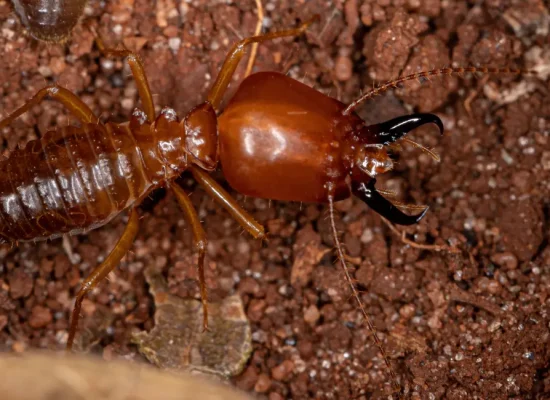
Yes, many termites do live in soil, especially subterranean termites. These termites depend on soil to retain the moisture they need to thrive, and they use it to build extensive tunnels to travel between the nest and wood sources.
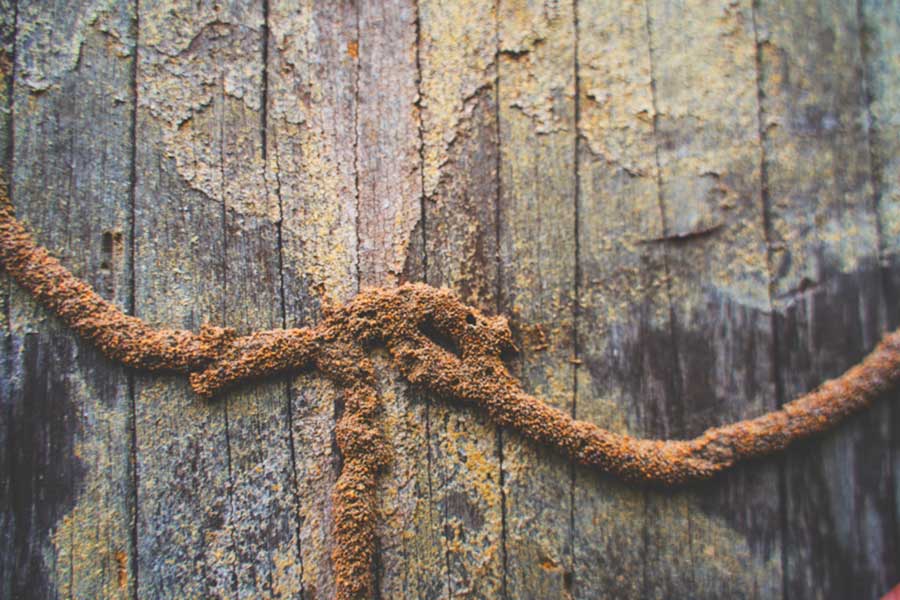
Subterranean termite infestations often start underground. Colonies can number in the millions and are typically built near or beneath ground level. Using mud tubes, termites can reach above-ground food sources like your home’s foundation without exposing themselves to open air.
However, not all termites rely on soil. Some species, like drywood and dampwood termites, live within wood and do not require contact with soil to survive.
Do Termites Live in Wood?
Where can termites be found in wood? Different species prefer different types of wood. While all termites feed on wood, where and how they live within it varies. Knowing this can help with termite identification, which can help determine the best treatment option early on.
Dampwood Termites
Dampwood termites prefer wood that stays moist. They are often found in decaying logs, tree stumps, or leaking parts of your home. These termites don’t need contact with soil but need high humidity to survive. Their colonies are smaller, but dampwood termite damage can go unnoticed for long periods.

Drywood Termites
Drywood termites live inside dry wood, like that found in attic beams or furniture. Unlike other species, they don’t rely on soil or moisture. Instead, they burrow deep into wooden structures and live within the same material they feed on. Their nests are hard to detect because they don’t need mud tubes to move around, meaning a drywood termite infestation could go unnoticed.
Do You Have a Termite Problem? We Can Help.
Click the button below to leave your information & we'll be in touch in an hour or less.
Get a FREE quoteCan Termites Live Inside Homes?
Yes, termites can and do live inside homes. But where do termites like to live indoors? Bathrooms, walls, ceilings, and wooden furniture all offer good termite habitats if the conditions are right (the areas have warmth and moisture). Once inside, a termite infestation can grow quietly until noticeable damage occurs.
Termites in Walls and Ceilings
Termites can invade wall voids and ceilings, especially in areas where leaks or condensation are present. Termites in walls might not be visible right away, but they can cause wood to warp or sound hollow. Over time, this weakens the structure. Termites in ceiling areas are also common if there’s moisture from a roof leak or poor ventilation.
Termites in Bathrooms
High moisture levels make bathrooms a target for termites. Termites in bathrooms often nest near sinks, tubs, or inside vanity units where water can leak or collect. These spots create the perfect habitat for termites to build a nest and spread into nearby wood.
Can Termites Get Into Your Furniture?
We know that termites can infest wooden structures, but can termites get into your furniture? Termites, especially drywood varieties, can easily infest wooden chairs, tables, and cabinets. Once inside, they can cause damage before you’re even aware of the problem.
Termite Habitats Around the World
To better understand where termites are found, it’s helpful to look at how they live in both natural and man-made settings.
- Tropical termite species and giant mound builders: In tropical areas, termite species such as Formosan termites can build huge above-ground mounds. These mounds are complex and allow colonies to maintain stable internal temperatures. Tropical climates, with constant warmth and humidity, support large, active termite colonies throughout the year.
- Termites in urban and suburban environments: In cities and suburbs, termites, like many insects, adapt well to living in and around human structures. They often infest wood structures, fence posts, and buildings, especially where tree stumps or poor drainage create damp conditions. A homeowner may not realize there’s a termite problem until some damage is done.
Signs That Termites Are in Your Area
Spotting the signs of termites early can help prevent more extensive damage. Here’s what to look for around your home:
- Mud tubes near your foundation or on exterior walls
- Wood that sounds hollow when tapped
- Peeling paint or small holes in drywall
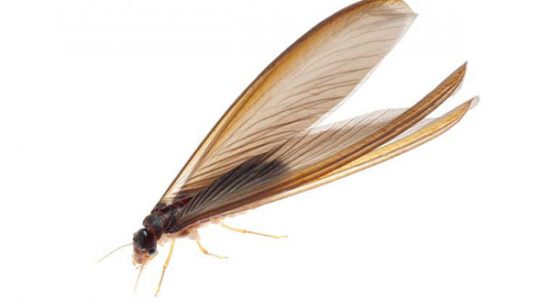
- Piles of discarded wings from reproductives (which is how termites spread) near windowsills or baseboards
These clues can suggest active termite colonies nearby. If you’re unsure, a termite inspection can help confirm the presence of termites and guide your next steps.
Need Help With Termites? We Can Help!
DIY methods may offer short-term relief, but they usually don’t address the source of the termite problem. For long-term termite control and to help protect your home, it’s best to work with trained technicians. We’ll inspect your property, identify signs of infestation, and recommend the right plan to help.
Ready to take the next step? Reach out for a free quote from our team today.