
Bats swooping across Florida skies are fascinating to watch, but when they bed down in your attic, it’s quite a different story. These flying mammals are natural pest controllers, pollinators, and plant fertilizers, but can also transmit disease and damage property, making removal and exclusion essential.
November falls within Florida’s legal bat exclusion and removal window, making it a good time to schedule an assessment. If you think you have bats and want to know how to proceed, here’s a rundown of what you need to know to help plan next steps.
Florida’s Bat Exclusion Rules
In Florida, bat colonies may only be excluded between August 15 and April 15 to protect them during their maternity season, which runs from April 16 through August 14.
This restriction protects young bats that cannot yet fly. During maternity season, female bats gather in roosts to give birth and raise their pups. If one-way devices used to prevent re-entry into roosts block the adults from returning, flightless pups can become trapped inside the building.
The FWC guidance on bats in buildings identifies fall as the best time for exclusion because the maternity season has ended and flightless young are no longer present.
The Danger of Sealing Holes Without Exclusion
When homeowners discover bats, a common reaction is to locate the gap and seal it immediately with caulk or expanding foam during the day. This can trap bats inside their roost. Sealing bats inside a building is also illegal and inhumane. Even during the permitted season, an active opening should not be permanently closed until all the bats have left.
Trapped bats may search for another exit and find routes into living spaces through existing gaps around fixtures or other openings. Bats that can’t escape may die inside walls or ceilings, causing odors and attracting insects.
Safe, legal bat management relies on one-way devices or specialized netting. These allow bats to leave while preventing them from returning through the same entrance.
If you are planning roofline or soffit repairs and suspect bat activity, tell the contractor before work begins. Repairs should not block an occupied roost’s exits.
Timing Bat Exclusion Around Florida’s Fall Weather
The rules for bat exclusion are not only time-restricted but also weather-dependent. Installing a one-way device is only effective if local conditions allow the bats to actually fly out to feed.
Before openings can be closed, exclusion plans must meet several specific conditions:
- Overnight lows of 50°F or higher: Bats naturally conserve energy during cooler weather and can easily stay tucked inside a roost for several days without feeding.
- A four-night minimum: Devices must remain in place for at least four consecutive suitable nights to give every bat ample opportunity to exit.
- Extensions for wind and rain: Bad weather keeps bats grounded. When strong winds or heavy rain occur, the devices must stay up for additional nights.
- Visual verification before sealing: The four-night rule is a baseline, not an automatic signal to close the building. Technicians must watch the exits at dusk to confirm the colony has vacated before permanently sealing any gaps.
Booking an inspection early gives you time to identify access points and prepare your property for exclusion work, although the actual installation date must remain flexible based on local weather conditions and colony activity.
Common Signs Bats Have Moved Into Your Attic
Watch for these common indicators around your roofline and upper stories:
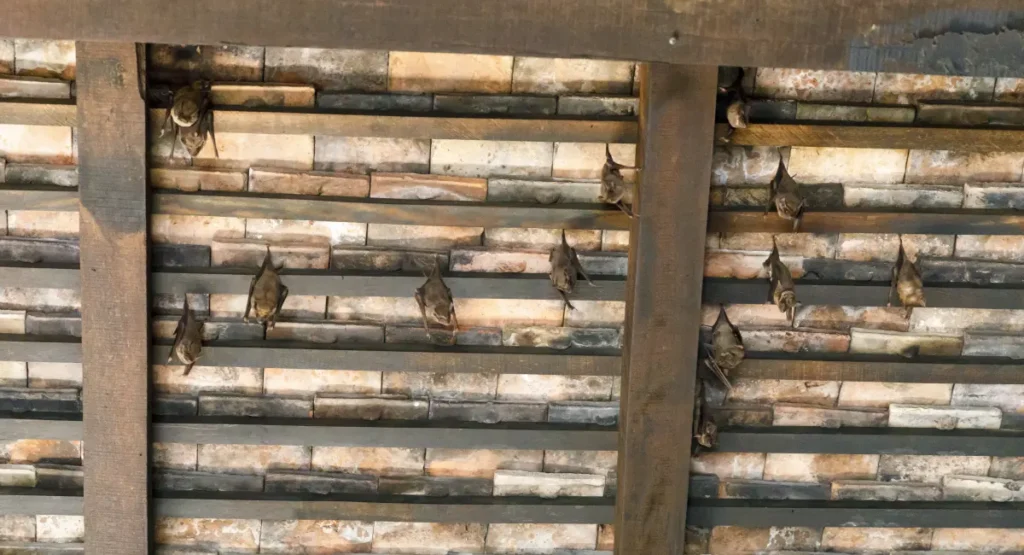
- Dusk and dawn sightings: Bats repeatedly leaving or entering the same opening can indicate an active roost. Bats flying over your yard alone do not establish that they live in your home.
- Squeaking or rustling: Roosting bats may make sounds shortly before sunset as they prepare to leave.
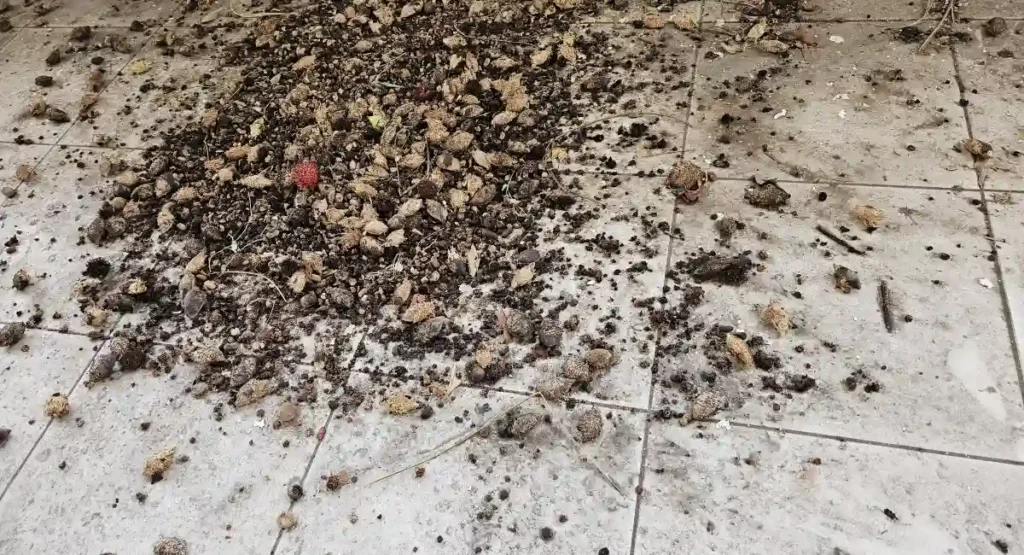
- Piles of droppings: Bat droppings, called guano, may collect below an entry point, on an exterior wall, or beneath a roost inside the attic.
- Dark rub marks: Body oils and dirt can leave brown stains along the edges of openings bats use.
- A noticeable odor: Accumulated guano from an established roost may produce a sharp ammonia odor, although smell alone cannot confirm which animal is present.
If you notice these signs, arrange a professional bat control inspection rather than attempting to touch or disturb the animals, and avoid handling droppings to identify them. Other pests often leave similar traces, but an expert assessment will identify which species is living in your home.
Planning a Complete Wildlife-Proofing Solution
A well-defined exclusion plan follows a multi-step process to ensure all bats leave safely before the structure is permanently secured:
- Mapping all exterior gaps: Technicians inspect the roofline to locate active entry points, as well as secondary gaps along fascia boards, soffits, and ridge vents that bats might use once the main exits are closed.
- Installing one-way exit devices: Specialized one-way valves or netting are placed over active holes. These allow bats to drop out and fly away at dusk to feed, but prevent them from returning at dawn.
- Sealing secondary openings: Any gaps not currently used by bats are sealed with chew-resistant materials to prevent displaced bats from finding alternative entry points into the attic.
- Verifying vacancy and permanent sealing: Once the required minimum of four nights passes and visual checks confirm no bats remain inside, technicians remove the temporary devices and seal the final exits permanently.
Any droppings or damage should also be evaluated once the roost is empty. Cleanup needs depend on the colony’s size and location, but homeowners should avoid sweeping or disturbing accumulated guano in confined spaces without proper protective gear.
Residential wildlife exclusion services can reinforce vulnerable areas with durable materials to provide long-term protection against future intrusions.
Protect Your Home From Bats
If you suspect bats have moved into your attic, start with a safe check from outside. Stand in your yard just before dusk to watch where bats exit along your roofline, and hold off on any caulking, screening, or soffit repairs until the colony has been properly excluded.
When you’re ready for professional help, the wildlife specialists at Florida Pest Control develop humane and legal wildlife exclusion plans for homeowners throughout Florida. They can identify vulnerable access gaps and implement a Florida Fish and Wildlife Conservation Commission (FWC) approved removal strategy to safeguard your living space without harming protected species.
Author: Nicola Gordon-Seymour
November 25th, 2026