What Are Brown-banded Cockroaches?
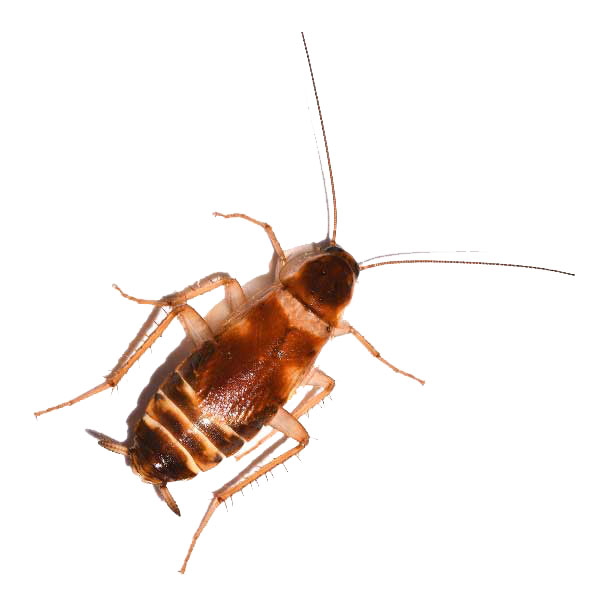
The brown-banded cockroach, (also formally known as Supella longipalpa) is a small indoor bug. People often confuse it with other roach types as many cockroaches look similar. This species is most recognizable by the light brown bands that run across its wings and abdomen, the feature that gives the insect its name. This cockroach is different from the common ones found in kitchens and bathrooms, as it likes warmer and drier places. For this reason, even though it is an indoor-dwelling pest, they may be particularly difficult to detect early, hiding in areas that often go unnoticed.
Brown-banded Cockroach Identification
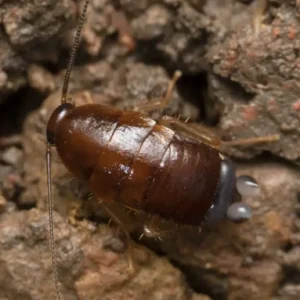
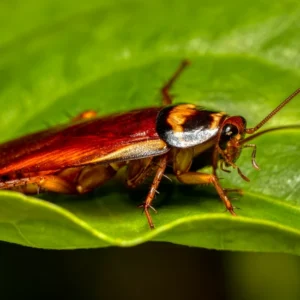
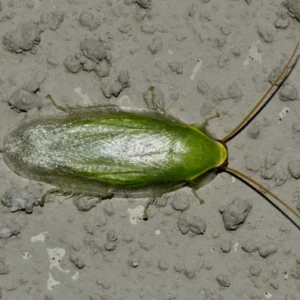
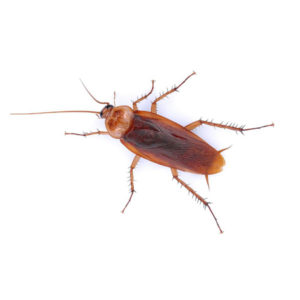
Brown-banded cockroaches are small (about ½ inch long), light-brown insects identified by two distinct, lighter transverse bands across their wings and abdomen. Reliably identifying brown-banded cockroaches can be difficult, since they look a lot like German cockroaches in size and shape. However, their behaviors differ. One of the most distinct traits is their ability to thrive in areas above floor level. While German cockroaches stick close to moisture, brown-banded cockroaches’ behavior leads them to infest warmer, drier spots like cabinets, closets, and electronics.
The Lifecycle of Brown-banded Cockroaches
The brown-banded cockroach starts its life when the female lays what is called an “ootheca”, which is an egg case. She usually attaches it to furniture, shelves, or even behind picture frames. Each ootheca contains multiple eggs. Once the eggs hatch, the nymphs emerge and begin developing into adults over the course of several weeks. Development speed depends on temperature, with warmer conditions accelerating the process which can be a problem for Floridians.
This cockroach’s discreet egg-laying habit means infestations can grow unnoticed for quite some time. The Supella longipalpa female is different from other cockroach species. Instead of carrying her ootheca until the eggs are ready to hatch, she lays her eggs in hidden spots much earlier. This sneaky and fast trait adds an extra challenge to pest control efforts.
Brown-banded Cockroach Behaviors, Threats, or Dangers
Brown-banded cockroaches are not aggressive and do not bite. These roaches reproduce at an alarming rate and one female can produce up to 600 young in her lifetime. Brown-banded cockroaches are known to spread at least 33 different kinds of bacteria, making them a concern for any homeowner. Foraging cockroaches can be vectors of disease, depositing germs or bacteria in areas they inhabit and causing asthma attacks in some people sensitive to cockroach allergens. E. coli and Salmonella are both commonly spread by brown-banded cockroaches and can cause gastroenteritis and diarrhea.
Habitat and Diet of Brown-banded Cockroaches
Brown-banded cockroaches have a habitat distinct from that of other roaches. These insects are commonly found in homes and commercial buildings, especially in parts of the structure that remain warm and dry. Brown-banded cockroaches’ preferred environments include areas such as upper cabinets, on high shelves. Elevated or hidden spots and even in your wardrobe.
They may also hide behind wallpaper, wall clocks, and baseboards. In warmer climates like Florida, they can invade structures year-round. As they are not drawn to water sources, they are rarely found under sinks or in drains.
Once inside, brown-banded cockroaches settle in and begin to multiply quickly. Their ability to climb and fly helps them reach spaces other species typically ignore. Which is why they can be difficult to detect early, remaining hidden in hard to reach places.
Surprisingly their diet is quite flexible. Cockroaches eat many things. They like food crumbs, book bindings, glue, and wallpaper paste. Their ability to feed on household items makes eliminating them difficult without a comprehensive and professional control plan.
Need help with Brown-banded cockroaches?
We'll call you! Leave your information below.
Get a FREE quote
Managing Brown-banded Cockroaches
You need to know how the species behaves to successfully manage a brown-banded cockroach infestation.
As the roaches hide in unexpected and hard-to-reach places throughout the home, surface sprays, over-the-counter treatments, or basic cleaning will rarely reach the secluded spots where these pests settle. Effective control must start with locating the source of the infestation and the paths they use to move from one hiding place to another. A targeted approach is needed to disrupt their patterns and prevent the colony from spreading further.
Effective Brown-banded Cockroach Control Methods
Even with strong prevention steps, brown-banded cockroach infestations can still happen and when they do, targeted professional control is key. To eliminate brown-banded cockroaches, you need a professional plan that matches the specific behavior of Supella longipalpa. Baits can be used in areas where activity is suspected, especially inside wall voids and furniture. Insect growth regulators are also helpful in disrupting the lifecycle, preventing eggs from developing into adults.
Professional pest technicians understand how to locate and treat these hidden infestations. Standard treatments may not reach the locations these roaches prefer, so a trained eye is often necessary. If brown-banded cockroaches have spread throughout your home, professional treatment is the most reliable way to clear the infestation and help keep them from coming back.
If you have trouble finding or getting rid of brown-banded cockroaches, Florida Pest Control can help. We provide tailored solutions that focus on these tough indoor pests’ habits and hiding spots. Reach out to schedule an inspection and take the next step toward long-term pest control.
Frequently Asked Questions
Where Do Brown-banded Cockroaches Come From?
They are believed to have originated in Africa but are now common in homes across the southern United States, especially in warm, dry regions like Florida.
What’s The Difference Between Brown-banded Cockroaches and German Cockroaches?
Brown-banded cockroaches like dry places and stay above the floor. In contrast, German cockroaches usually hang out in kitchens and bathrooms.
Are Brown-banded Cockroaches Harmful To Health?
They can spread bacteria and allergens by contaminating surfaces, though they do not bite or sting.
How Long Do Brown-banded Cockroaches Live?
The typical adult lifespan ranges from 13 to 45 weeks, depending on environmental conditions.
Can I Get Rid Of Brown-banded Cockroaches On My Own?
Minor issues may be fixed with store-bought solutions. However, professional help is often needed to eliminate an infestation, as cockroaches tend to hide their nests.
What Attracts Brown-banded Cockroaches Indoors?
Unlike many other cockroach species which are drawn to moisture, Brown-Banded cockroaches are primarily attracted to warmth, dry conditions, and accessible food sources. They frequently move indoors to seek out the steady heat generated by electrical appliances and electronics, and they are drawn to homes that provide ample starchy materials to feed on, such as wallpaper glue, book bindings, and cardboard boxes.
Are Brown-banded Cockroaches Active During the Day?
Brown-banded cockroaches are primarily nocturnal pests, meaning they are most active at night when they emerge from their hiding spots to forage for food. While they strongly prefer to stay hidden in dark, elevated areas during the day, it’s not unknown to spot them during daytime hours, especially if they are actively searching for food or if their population has grown significantly.
How Can I Prevent Brown-banded Cockroaches from Coming Back?
To prevent a Brown-banded cockroach infestation from returning, it’s critical to eliminate their preferred food sources by safely storing all food in airtight containers, promptly cleaning up crumbs or spills, and deep cleaning the areas around your appliances. You should also routinely declutter high, dry spaces like upper cabinets and closets, thoroughly inspect any second-hand furniture before bringing it inside, and firmly seal any cracks or crevices around doors and windows to block their entry points.
Need help with Brown-banded cockroaches?
We'll call you! Leave your information below.
Get a FREE quote