Termite Information Center
Florida Pest Control
Top Termite Questions
Termites are the silent threats no homeowner wishes to have. Though small, termites can cause extensive damage, if not detected early enough. Knowing termite facts and how to spot early signs can help reduce the risk. Our termite information center gives clear, practical answers to common questions about termites, their behavior, how to handle an infestation, and who to call for termite extermination.
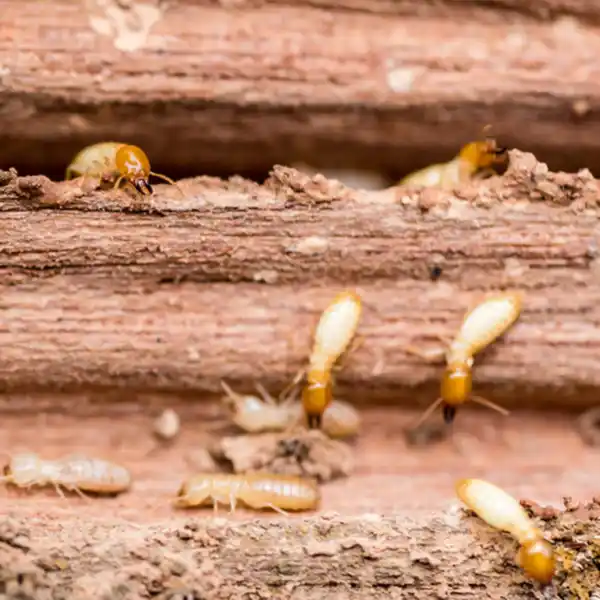
Termites are social insects that live in colonies and feed on cellulose found in wood, paper, and other plant materials. They prefer warm, humid conditions and can stay hidden for long periods in their underground tunnels and nests.
There are several types of termites, but the most common in the U.S. are subterranean, drywood, and dampwood termites. Each species behaves in distinct ways, but they all share one thing in common: their diet can endanger homes and buildings. That’s why homeowners need access to trusted termite information and reliable facts.
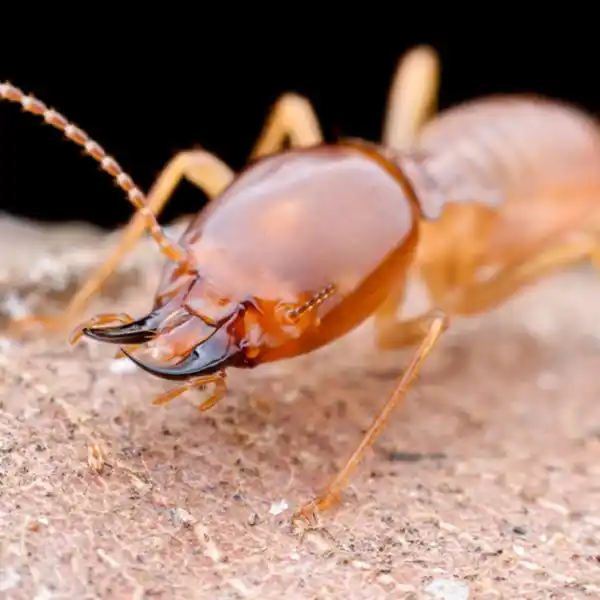
Understanding termite characteristics can help identify a problem sooner. Termites range in size from about ⅛ inch to one inch and can look similar to ants, especially during swarming season.
Spotting termite traits is key because early detection reduces the chance of damage.
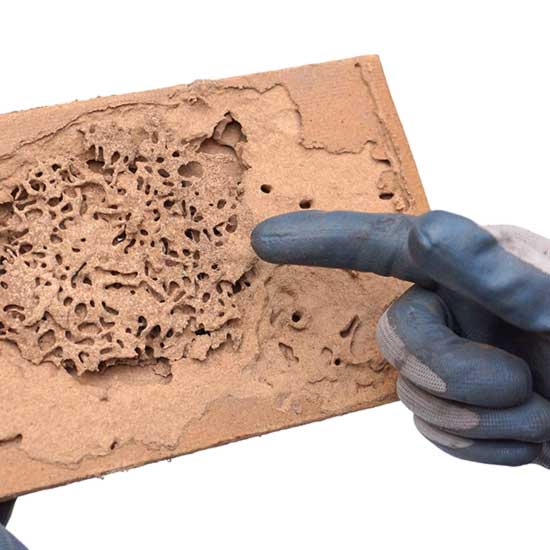
As termites avoid light, you may not see them in person. Instead, look for clues like discarded wings near windowsills, hollow-sounding wood, or bubbling paint that resembles water damage. These signs can suggest a larger issue below the surface.
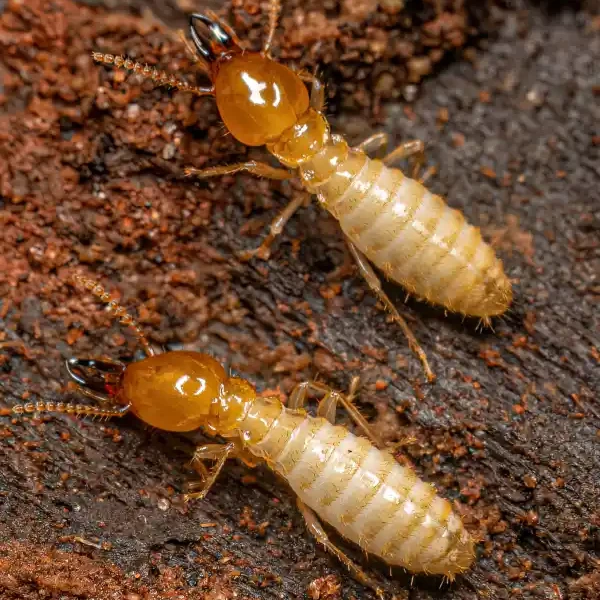
While termites don’t bite or sting people, they can cause stress and costly repairs. Termite damage often starts from the inside out, which makes it hard to spot until it causes serious harm to your property .
Insurance policies do not typically cover termite damage, which means regular inspections and fast response are key.
Catching an infestation early can help lower the risk of extensive repairs. Our termite information center provides clear advice and support before the damage worsens.
Once you find termites , start treatment right away . There is no one-size-fits-all approach. The method depends on the species, the colony’s size, and severity of the infestation.
Professional treatment is the most effective option. Treatments may include baiting systems or barrier methods to help control termite activity and reduce future risk.
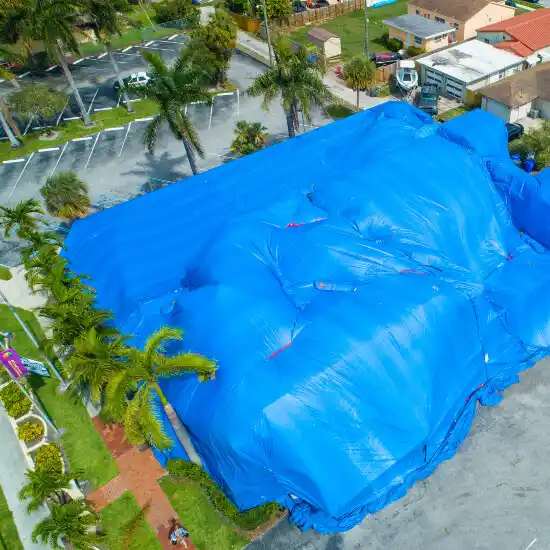
Prevention starts with good building practices and routine checks. Fixing moisture problems, sealing cracks, and storing firewood away from the home can help lower the chances of termites settling in. However, even with strong prevention steps, termites can still find a way inside.
That’s why we recommend regular inspections by trained professionals. Our technicians know where to look and what to watch for. A yearly inspection can catch early warning signs even if there’s no current activity.