Keeping Pets Safe During Pest Control Treatments

Keeping Pets Safe During Pest Control Treatments

When you have a pest problem, it’s likely you have a lot on your mind. And while it may be easy to overlook things when scheduling your appointment, keeping your pets safe should not be one of those things! Most treatment methods used for household pest control are pet-friendly, but there are still some precautions you can take.

Your first step should always be to speak with your pest control professional. They will be able to help you determine what treatment is necessary for your home, and what preparations should be made prior to your appointment.

Regardless of the scale of the pest control treatment, you should always make an effort to contain your pets, both for their safety and the safety of the pest control technician. Although your dog may seem docile and harmless around family and friends, she may not behave the same when a stranger enters her home.

Also, your pets may simply want to figure out what is going on with a stranger in their house – but it is this curiosity that could put them in a harmful situation during a pesticide application. An easy solution is to make sure that they are kept in a kennel or carrier while the pest control expert is in your home. If a carrier is not available, simply move them to an area of your house that will not be included in the pest service.

Most common household treatments are confined to cracks and crevices in areas of pest activity, but spraying for fleas and other more involved treatments may require extra considerations – possibly finding a safe place for you and your pet to stay away from home for a short time.

Different types of pets may require different preparations, and some pets are more sensitive than others. Based on the treatment being performed by your pest control professional, they will tell you any additional preparations to make.

Please inform your pest control expert of all the pets you may have living in your home. Oftentimes, we think of pets only as the furry four-legged variety, but birds, reptiles and fish are common pets as well. Making your professional aware of these friends with feathers or scales before your appointment will allow you ample time to prepare should they need to be removed from the home on treatment day.

When it comes to in-home services, it’s always a good rule of thumb to consult with the experts – pest control is no different. Florida Pest Control has a team of well-trained and certified professionals to help you make any necessary decisions, and make sure that your family is safe throughout the entire process.

How to Identify a Hidden Wasps’ Nest

How to Identify a Hidden Wasps’ Nest

You may not realize you have a wasp problem until one chases you around the yard. Fortunately, most wasp nests are easy to find if you know where to look. Under the eaves, attached to soffits or on exterior walls – all are likely locations for a wasp nest. However, many wasps’ nests often go undetected for weeks or months, and these can quickly become more than a nuisance!

In the case of many common wasps, their nests are often not easily visible. They may be hidden within gaps in the exterior of your home, in shrubbery, or in the case of yellow jackets, they may be hiding underground! If you’ve been pestered by wasps, here’s how to track them back to their nest.

Areas to Check for Wasps’ Nests

Springtime is typically when wasps begin to re-emerge, but it takes until about mid-summer for most nests to fully establish themselves. By summer, you’ll definitely notice any wasps that are in the area.

Wasps commonly build nests in protected areas: along exterior walls, under wooden decks, on nearby trees and, occasionally, inside a home. Once a wasp nest becomes fully established, you’ll typically see a steady stream of wasps hovering around the nest entrance. So, if you know where to look, you can usually spot an active nest without much trouble. If you know you have wasps, take a look in these usual spots:

  • Along your eaves
  • Underneath windowsills
  • Garden sheds or garages
  • On or under playground equipment or lawn furniture
  • Gaps in soffits, exterior fascia or wooden decks
  • Around electrical equipment or wiring, such as your utility box or swimming pool equipment
  • Check trees near your garden if you’re being pestered during the day. Scout wasps often alert the nest to sources of food commonly found in gardens.

If You Find a Nest, Should You Leave It Aline?

While it may make sense to remove a wasp nest near your front door, porch or garage, some wasp nests can be very beneficial, especially if you spend time gardening or are plagued by other pests. Even though wasps can be intimidating (and painful), they are also incredible predators of other pests. Unless the nest is actively bothering you or causing you to run away from your front door each morning, you may want to consider allowing the nest to remain – at a reasonable size – to help control other pests.

How to Remove a Nest

Of course, nests in trafficked areas usually have to be dealt with. Small, free-hanging nests can usually be removed using retail sprays with minimized risk, but no wasp removal is without risk! For nests that are hidden within the fascia or in the ground, it is much safer (and cheaper) to get professional help for wasp control. At Florida Pest Control, we have decades of experience dealing with wasps and can safely destroy a dangerous nest. Contact us today to schedule a comprehensive inspection.

Lone Star Ticks in Florida

Lone Star Ticks in Florida

The adult female Lone Star Tick displays a white spot near the center of her back while the male has white streaks or spots along the margin on the top side of its body. They are found throughout most of Florida and the Southeastern United States with populations spreading to the Midwest and the Northeast.

A female Lone Star Tick can lay up to 5000 eggs all in one sitting. Imagine seeing thousands of tiny seed ticks emerging all at one time, but that’s what happens day after day. You can see right away how populations can get out of control and why they are spreading to new areas so rapidly.

Lone Star Ticks have three life stages (larva, nymph and adult) and must feed on a host before moving on to the next stage. Upon hatching, the six legged larvae will feed mainly on mammals and birds. They rarely, if ever, feed on small rodents. The nymphs will feed on birds, small rodents and other mammals. Adult Lone Star Ticks host on medium to large mammals, but will also feed on wild turkeys and rodents.

Lone Star Ticks are known to carry several pathogens including Rickettsiosis, Ehrlichiosis and Tularemia. They have also been said, by some scientists, to be carriers of Southern Tick Associated Rash Illness (STARI).

There have been many red meat allergies reported over the past several years that are said to be associated with Lone Star Tick bites. Symptoms are swelling, hives, problem with breathing, diarrhea, vomiting and a drop in blood pressure. Scientists say that Lone Star Ticks have a sugar in their system that humans don’t called alpha-gal. This same sugar is found in red meat. When the tick bites, it transmits this sugar which triggers a response from our immune system which in turn sends out antibodies to deal with it. Then later, when a person eats red meat, an allergic reaction could develop.

If you’re concerned that you may have Lone Star Ticks or any other tick species on your property, contact the Florida Pest Control office nearest to you. We’ll be glad to come out and perform an inspection.

Most Common Bugs Found in Florida

a tick burrowing into a person's skin - keep pests away from your home with florida pest control

When the weather is warm, we all want to go out, be adventurous, soak up some sun and enjoy the great outdoors. But when the weather is warm and especially rainy, it’s also when some of our most common bugs come out to play. We’re going to talk about the 5 most common bugs you’ll find this season so you can learn how to protect yourself against them.

Ticks

There are over 80 species of ticks in the US alone, and they can cause serious illnesses such as Lyme disease. They appear commonly on your pets so it’s good to have them treated and to carry tick repellent with you when staying outside for a long time.

Fleas

Fleas are most prevalent during the spring and summer, and with Florida’s warm climate year-round, they thrive. The hotter it gets, the more they become a problem in your home, so it is best to take care of them early on. Just like ticks, you can find these on your pets, so it’s best to treat them right away and frequently.

Ants

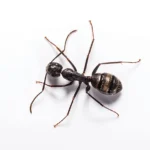
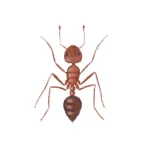
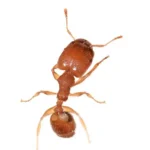
If you live in Florida, even if your home is as clean as possible, these pesky little creatures are quick to invade at the sight of the smallest crumb. Although there are numerous types of ants, the most common you will find include Carpenter ants, Red Imported Fire ants, Big-headed ants, and Rover ants.

Roaches

Just like us, roaches don’t like to be outside when it’s too wet or dry, too hot or cold. When we have extremes in weather, you will most likely see one of these 6-legged menaces in your home. In the case of larger outdoor roaches, making sure gaps and cracks in your home are sealed will help to keep them from entering uninvited.

Termites

Every year, termites cause over $1 billion worth of damage to homes across the US by eating parts of them! The 2 main types of termites that damage homes are the Drywood termite and Subterranean termite. Drywood termites can live their entire lives inside wood whereas Subterranean termites generally need some contact with the ground.

If at any point you find yourself having a problem controlling these or any other pests, be sure to give us a call. We’ll send one of our experts out to your property and help you get rid of the problem once and for all.

How to Keep Bugs Out of Your Home

How to Keep Bugs Out of Your Home

If there’s one thing Floridians know, it’s that the heat outside can be brutal. If there are two things Floridians know, the second is usually that bugs are abundant. While there may not be much you can do about the heat – aside from staying in the A/C – there are some tips and tricks you can use to help make sure bugs won’t be bothering you inside of your home. 

Why Do Bugs Enter Your Home?

Pests are always searching for a place to thrive, and your home can provide a safe and comfortable environment. Bugs enter homes for various reasons, from finding food sources to seeking shelter from the elements. By identifying entry points and understanding what attracts bugs, you can better prevent a bug infestation before it starts.

Common Attractants Inside Your Home

Bugs are often drawn indoors by food, moisture, and shelter. Here are some common causes of bugs in your home:

  • Crumbs: Even the smallest crumbs or food particles left on counters, floors, or in hidden corners can attract a variety of pests. Ants, roaches, and even rodents can be drawn to these food remnants.
  • Pet food: Leaving pet food out overnight or in an open container can invite bugs into your home.
  • Spills: Food and drink spills, whether they’re sweet or savory, create a sticky mess that can quickly attract pests like ants, fruit flies, and cockroaches. Even spills that seem small can become a food source for insects.
  • Standing water: Bugs, especially mosquitoes and cockroaches, are attracted to moisture. Leaky pipes, standing water in sinks, and even wet towels or dishcloths can create a perfect environment for pests.
  • Trash and garbage: Garbage is one of the top attractants for pests like ants, roaches, and rodents. Leaving trash in open bins or failing to take out the garbage regularly can invite a variety of bugs into your home.
  • Clutter: Piles of paper, clothing, or boxes can provide shelter for pests. Cluttered areas, especially in basements, attics, or storage rooms, make it easy for pests to hide and breed. 

Environmental Factors That Encourage Bugs

Certain environmental factors make it easier for bugs to thrive in your home. Areas with poor drainage or standing water attract mosquitoes and other pests seeking moisture. Filth flies, such as house flies and drain flies, are often attracted to environments where waste and decaying organic matter are present. 

Homes located near wooded areas or large shrubs can also experience an influx of insects, as plants provide shelter and food for pests like ants, spiders, and beetles. And homes with unsealed cracks in foundations or walls create easy access for pests such as ants and termites. Pests often seek shelter in these gaps, especially during extreme weather conditions, such as intense heat or cold.

Seasonal Variations in Bug Activity

Here in Florida, pests remain active throughout the year, but their behavior shifts with the seasons. 

  • Spring & Summer: Peak Pest Season – As temperatures rise, bugs become more active. You are more likely to see mosquitoes and ants, particularly fire ants. Spiders are also often found indoors seeking shelter due to increased humidity, and termites are especially active in the spring. Of course, Florida’s flies are a particular nuisance during the summer months.
  • Fall: Transition and Preparation – As the weather cools, many pests seek warmth and shelter indoors. Cockroaches may enter your home to escape the cooler temperatures. Fleas remain active as long as it’s warm, often hitching a ride on pets, but they tend to peak in the fall. Millipedes also like to come out during this time, especially after periods of heavy rain when soil is moist.
  • Winter: Cooler Temperatures and Hidden Pests – Though Florida’s winters are mild, some pests still seek warmth inside. Silverfish, which thrive in moist areas like bathrooms and kitchens, can be found inside year-round, but may be more noticeable during the winter. Spiders are less active outdoors in winter, but may still hide indoors, particularly in corners or clutter. 

At Florida Pest Control, we offer regularly scheduled inspections to help you maintain your home year-round. Contact us today for a FREE quote, and see how we can help keep bugs out of your property.

Top Tips To Keep Bugs Out of Your Home

If you want to prevent pests in your home, you need to get good at pest exclusion. Pest exclusion is the practice of anticipating the factors that attract pests and working to eliminate them before they lead to infestations. Here are some measures you can take that will help set you up for success.

Dispose of Garbage Regularly and Securely

To prevent attracting pests, make sure to take out the trash regularly and use bins with tight-fitting lids. Garbage left outside can be a food source for ants, cockroaches, and other insects, so it’s essential to keep it contained. One of the more common pests you’re likely to encounter is the ant. They come in many different varieties, and each species has its own set of problems they can cause your home.

Store Food, Including Pet Food, Properly

Keep food sealed in airtight containers, and don’t leave pet food out overnight. Crumbs, spills, and exposed food sources can attract various pests, including ants and fruit flies. Open food packages, crumbs, and spills are easy targets for pests like ants, fruit flies, and cockroaches, which are drawn to exposed food sources. By properly storing food and cleaning up after meals, you eliminate these tempting food sources. This not only keeps bugs at bay, but keeps the food fresh.

Inspect and Seal Common Entry Points

Pests often find their way into homes the same way we do – through doors and windows. At least once a year it’s important to check up on these common entryways. Replace any weather stripping on doors, and look to see if there is any loose mortar around your windows or vents in need of repair. Make sure to caulk or seal any gaps to prevent pests from entering your home. Even small crevices can provide an easy entry for ants, spiders, and other crawling insects.

Trim Overgrown Foliage Near the House

Pests are sneaky and use anything they can to find a way into our homes, and that includes foliage. Trim back tree limbs and any other plants or shrubs that might be touching the side or roof of your house. This will reduce the chances of pests climbing the branches and eventually getting inside.

Manage Humidity Levels in Your Home

If pests do make it inside, we surely don’t want to make it cozy for them. Pests such as silverfish, flies and mosquitoes thrive in high humidity. Check crawl spaces and in your attic for humid areas. It’s good to dry them out and keep them well-ventilated, or use a dehumidifier in areas like basements and bathrooms. Moisture is a breeding ground for any number of things, so you definitely want to get rid of it as well as you can.

Install Window Screens and Door Seals

Ensure all your windows and doors are properly sealed and equipped with screens in good condition. Even the smallest gaps in window frames or damaged door seals can create easy entry points for pests like mosquitoes, flies, and other insects. 

Keep a Clean and Clutter-Free Environment

A clean, organized home is the first line of defense against pests. Clutter provides perfect hiding spots for insects and rodents, making it easier for them to sneak in unnoticed. Regular cleaning removes food scraps and crumbs that attract pests, particularly in areas like baseboards, under furniture, and around food sources. 

Even with these defense mechanisms, pests can continue to be a problem, and when that’s the case, it’s time to call in the professionals. We’ll help you build a home defense plan to ward off these pests once and for all. If you’d like to schedule a no-obligation consultation, give Florida Pest Control a call today.

Natural Remedies vs. Professional Pest Control

Popular DIY Solutions to Bug-Proof Your Home

Many homeowners opt for natural remedies for smaller-scale infestations as a first line of defense. These solutions can sometimes be effective in repelling and controlling pesky pests but are generally less effective than professional pest control.

One popular option is using essential oils such as peppermint, tea tree, or eucalyptus, known for their insect-repelling properties. These oils can be diluted with water and sprayed in areas where bugs tend to enter, such as windowsills, doorways, and baseboards. 

Diatomaceous earth is another popular natural remedy, particularly for insects like ants, cockroaches, and fleas. This fine powder, made from the fossilized remains of tiny aquatic organisms, dehydrates bugs when they come into contact with it. Apply by dusting the powder along your home’s entry points, cracks, and crevices. 

Some people use cinnamon or citrus peel as natural pest deterrents. Ants, for instance, dislike cinnamon, and some say placing it near food sources or along entry points helps keep them away. Similarly, placing citrus peel or using citrus essential oils around windows or doorways might help repel pests like spiders and ants.

Other natural solutions include vinegar, which can be used to wipe down surfaces and clean areas where pests may be hiding, and borax, which, when mixed with sugar, is used for killing ants and cockroaches.

Limitations of DIY Pest Control

While DIY solutions can provide short-term relief and may help reduce the number of pests, they often don’t address the root cause of the infestation. Many over-the-counter treatments and natural remedies only target the surface problem, or target one or two visible bugs, leaving the underlying issue unresolved. This means that bugs are likely to return once your natural remedy treatment wears off.

Also, DIY methods may not be effective for all types of pests, especially larger or more persistent infestations like termites, rodents, or cockroaches. These pests often require more specialized treatments and expertise. And if entry points are not properly sealed or hidden nests and breeding grounds are overlooked, the infestation can continue or worsen.

Benefits of Professional Exclusion Services

In a nutshell, professional pest control offers a more comprehensive and lasting solution to any pest problem. Equipped with the right tools and expertise, pest experts can target the specific pests in your home and apply more effective treatments. Professional services also include regular follow-up services to monitor and manage any potential re-infestations, ensuring long-term protection. 

For a worry-free home, trust Florida Pest Control to provide the expert care and proactive solutions you need.

Preventing Common Household Pests

Maintaining a comfortable and healthy living space means staying on top of potential pest problems. Fortunately, there are straightforward steps you can take to reduce the likelihood of common pests.

Keeping Ants Out

To keep ants from entering your home, focus on removing their food sources and minimizing their access. Clean up any crumbs or spills immediately, and store food in airtight containers. Ensure that your trash is properly sealed and take it out frequently. Keep outdoor areas around your home free from debris and standing water where ants might be attracted. Finally, inspect your home’s exterior for potential entry points, especially near the foundation, and take steps to eliminate those.

Preventing Cockroaches Indoors

Like most critters, cockroaches are drawn to food, moisture, and warmth. Keep your home dry and free from excess moisture by repairing leaks in plumbing and ensuring that sinks and tubs are properly sealed. Clean all areas where food is prepared or consumed regularly, ensure that pet food is stored properly, and keep trash in sealed containers and take it out regularly. Next, clear clutter around the home, particularly in areas like basements or garages, as these dark, hidden spaces are ideal for cockroaches.

Reducing Mosquitoes and Flies

The most important preventative measure for mosquitos and flies is eliminating standing water in and around your home. This includes checking items like plant saucers, birdbaths, and clogged gutters. Also, fix any leaks that could lead to water accumulation. Next, trim overgrown vegetation around your home to reduce areas where mosquitoes can hide. For flies, regularly clean and empty garbage bins, compost containers, and pet waste areas. 

Learn more about about Florida Pest’s residential fly control services. For more information about commercial solutions, see our Lumnia insect light traps.

Minimizing Spiders and Other Creepy Crawlies

Spiders thrive in undisturbed areas with easy access to food. As with the other pests, remove hiding places, keep your home clean, particularly in corners, basements, and attics. Vacuum often, wipe down baseboards and corners where webs may accumulate. Managing moisture levels inside your home can also discourage creepy crawlies.

What You Need to Know About Bee Stings

bumblebee on pollenating a flower - keep bees away from your home with florida pest control

How many times have you seen a crowd of people scatter for cover at the mere sight of a single buzzing bee? Perhaps you were even one of those people. After all, nobody likes a bee sting. And with good reason – they hurt. For some people, bee stings can even be deadly! But this is very rare. With so much variance, it’s important to understand bee stings and the associated risk factors.

What Causes Bees to Sting?

Bees aren’t winged terrorists maliciously searching for their next victims. In fact, they are generally quite passive. Bees only sting when they feel their hive or themselves are being threatened. So, getting too close to or disturbing a hive or trying to harm a bee will likely trigger their defense mechanism. Left alone, bees go innocently about their business, collecting nectar and spreading pollen. They are very beneficial insects that account for the pollination of many of our food crops. Plus, they make delicious honey and many by-products that are useful to us.

For as passive as these little pollinators are most of the time, they do have a barbed stinger and will sting you if they’re provoked. When bees sting, they inject a small amount of toxin while simultaneously releasing alarm pheromones. These pheromones tell other bees that there’s danger in the area and to come quick. This is where things can get dicey, as there can be 50,000 or more bees in just one beehive.

Florida Bees That Sting

Florida is buzzing with diverse bee species—over 300 different types of bees call the state home. Among these, honey bees, bumblebees, and carpenter bees are some of the most commonly encountered. 

While honey bees are usually the culprits behind most stings, they’re not inherently hostile unless provoked. Bumblebees, though larger and fuzzier, also prefer to avoid conflict but will sting if their nests are threatened. Carpenter bees, often mistaken for bumblebees, rarely sting, as only the females are capable of doing so—and they are not aggressive by nature. It’s worth noting that some areas in Florida may also encounter Africanized honey bees, a more defensive and aggressive variety.

How Dangerous Are Bee Stings?

A single bee sting won’t cause much more than minor pain, irritation, and itching for most people. Multiple stings, on the other hand, can spell trouble. According to the USDA, the average healthy person can receive 10 bee stings per pound of body weight and live to tell the tale. What this means, in theory, is that a 180-pound adult could be stung 1,800 times and potentially walk away from it with their life.

Multiple bee sting incidents are thankfully rare, as are deaths due to bee stings. On average, 40 people die each year from bee stings. In most of these cases, the victim had a pre-existing allergy to bee venom. For these people, a single sting can lead to anaphylactic shock, requiring emergency treatment. Often, people with known bee allergies carry injectable epinephrine – known as an EpiPen – to counteract the effects of a possible bee sting. Bee sting allergies can be serious. If you are stung by a bee and it elicits a severe allergic response, seek medical attention immediately!

Different Bee Stings

Not all bee stings are the same, and the reaction to a sting can vary depending on the type of bee. Honey bees have barbed stingers, which remain in the skin after stinging, releasing venom and alarm pheromones. This mechanism also means the honey bee dies shortly after stinging.

Bumblebees, on the other hand, have smooth stingers and can sting multiple times without losing their stinger. Carpenter bees are less likely to sting, but if they do, their sting is similar to that of a bumblebee.

Africanized honey bees, often referred to as “killer bees,” can deliver a sting comparable to a honey bee’s, but they tend to attack in greater numbers, which can make them all the more dangerous. Different bee stings can cause different reactions in people, and although most species of bees are docile, it’s important to exercise caution when stung. If you’re worried about your bee sting symptoms and think you may be having an allergic reaction, seek immediate medical attention.

How to Treat a Bee Sting

For most people, however, one bee sting is not life-threatening, and treating it is fairly simple. The first thing to do is to determine whether the stinger is still embedded in the skin (it most likely will be). You can scrape it out with your fingernail, the edge of a credit card, or something similar. Never pull it out by pinching it with your fingers or tweezers. Doing so will squeeze more venom into your body. Once you’ve removed the stinger, wash the area with mild soap and cool water. Then ice the affected area in order to control swelling.

If the amount of pain is still uncomfortable for you, spray an anesthetic on the wound that contains benzocaine to help numb the area. Antihistamines can also help to reduce swelling and itching and you may also want to take over-the-counter pain medication, but the pain really shouldn’t last long. If you know you’re vulnerable, talk to a bee control specialist ASAP!

So, the next time you see a bee, remain calm and give her some space. Odds are, if you don’t mess with her (or her hive), she won’t mess with you. If you have any questions about bees or other stinging insects on your property, give us a call.

Does a Bee Die After It Stings You?

Does a bee die after it stings you? Yes, but only in the case of honey bees. When a honey bee stings a person or animal, its barbed stinger gets lodged in the skin. As the bee tries to fly away, part of its abdomen is torn away along with the stinger, resulting in the bee’s death. This unique feature is not shared by other bee species like bumblebees or carpenter bees, which have smooth stingers and can sting repeatedly without harm to themselves. The honey bee’s self-sacrificial sting is an evolutionary trait designed to protect the hive, even at the expense of the individual bee.

Need Help with Bees, Wasps or Hornets?

Stinging insects like bees, wasps, and hornets can pose a serious risk when they nest too close to your home or business. Whether it’s aggressive yellowjackets invading outdoor meals, carpenter bees causing structural damage, or hornets building nests in hard-to-reach areas, it’s crucial to address these issues promptly and safely.

At Florida Pest Control, we’ve been trusted for over 70 years to provide expert bee, wasp, and hornet removal across Central, Northern, and Southeastern Florida, and the Panhandle. Our highly trained specialists use humane and effective methods to remove nests, prevent infestations, and keep your property safe year-round. With state-licensed expertise and a commitment to environmental responsibility, we’ll handle your stinging insect problems with care and precision.

Don’t wait—contact us today for a free quote and reliable solutions tailored to your needs. Let Florida Pest Control help protect your family, employees, and customers from the dangers of stinging insects.

The Twolined Spittlebug

The Twolined Spittlebug

With Florida’s mild temperatures and abundant rainfall, life is spawning everywhere, especially when it comes to plants and insects. For example, when conditions are favorable you may notice an invasion of small black insects in your lawn which are about 1/4 inch long with two red lines across their backs. These invaders are called Spittlebugs.

Generally, Spittlebugs do not pose a major threat to Florida lawns. However, during abundant spring and summer rainfall along with high humidity, their population may increase considerably. Another factor that may contribute to their increase is excessive turf thatch.

The nymphs are white to yellow in color with a brown head. For protection, they surround themselves with a mass of white frothy spittle, hence the name Spittlebug.

Although both nymphs and adults feed on the turf, damage is unlikely. Feeding may cause a purple or white stripe along the grass blades. Because adult Spittlebugs are strong fliers, some may fly in from neighboring lawns. However, this does not indicate an infestation.

Although there is nothing you can do to prevent abundant rainfall, you can minimize infestation by reducing your irrigation. Also, thatch can be greatly reduced through Florida Pest Control’s Turf Aeration Program.

Black Flies – The Tiny Biting Menace!

Black Flies - The Tiny Biting Menace!

These troubling little flies plagued us in the Spring of 1998, 2004, 2005, and 2014. You may even be seeing these pests now due to the excessive rainfall we’ve experienced in parts of Florida. They fly around our heads, get into our eyes, nose, and ears and crawl around in our hair. They’re known by several names like Turkey Gnats, Buffalo Gnats and they’ve been called a few other names that won’t be repeated here!

Black Flies are rather small, ranging from 1/8”-1/4” in length. The thorax, which is the middle section of the body, is hump-shaped (hence the name Buffalo Gnat), shiny and ranges in color from black to gray to yellow.

Population peaks are associated with heavy rainfall. Abundant rainfall causes creeks and rivers to flow producing a more oxygenated water source which is needed for the development of the immature stages. This is what happened during the Winter of 1997-1998 and recently during the Spring of 2014.

Although they need the above mentioned conditions to develop, an adult may fly as much as eight miles from the breeding site to find a host. After feeding, they return back to the breeding site to lay eggs. While the male is mainly a nectar feeder, the female will feed on just about any warm blooded animal from birds to humans. Simulium slossonae, the main species found in Florida, is primarily a bird feeder. Although large swarms are attracted to people, most do not bite us. This is a good thing for us humans but aggravating nevertheless. However, we don’t want to downplay the severity of this pest. Anyone showing a strong allergic reaction from this fly’s bite should consult a physician for immediate treatment.

Recently, most of Florida has received abundant rainfall. This would account for the increase of Black Flies in several areas of the state and the problem could get even worse!

So how do we keep them from attacking us? Well, from personal experience, those repellents containing “DEET” are not much help. According to one article, Avon’s “Skin So Soft Bath Oil” may give you about 10 minutes or more of relief. Testing by the University of Florida has shown that a product called “Quantum Buzz Away” has shown some protection.

There are many repellents available and care should be taken when applying them. Read the entire label before using these products.

Now, go enjoy the great Florida outdoors!

Interesting Facts About Cockroaches

Close-up of a cockroach eating cookie crumbs on the floor.

Serving Central FL, Northern FL, Southeastern FL, and the Panhandle

Cockroaches are one of those pests almost guaranteed to make anyone squirm,  and with good reason. Beyond being unpleasant to look at, cockroaches are known to spread illness, trigger allergies, and can signal unsanitary conditions.

But aside from wanting to squash the cockroach that just darted across your kitchen floor, how much do you actually know about them? Below are some cockroach facts that might surprise you.

7 Interesting Facts About Cockroaches You May Not Know

Most Roaches Aren’t Pests

When people think of cockroaches, they usually imagine the kind that show up in kitchens or bathrooms. But here’s one of the most surprising cockroach facts: only a few are considered pests. Out of more than 4,000 species around the world, only about 35 to 40 actually invade homes or businesses. The rest stay outdoors and play a role in the environment by breaking down decaying materials. It’s an interesting reminder that not every cockroach is a threat.

According to Popular Belief, Roaches Can Survive a Nuclear War

One of the most well-known myths about cockroaches is that they could survive a nuclear explosion. While that’s been exaggerated, it’s still true that these insects are incredibly tough. A cockroach can live for days, or even weeks, without a head. That’s because they don’t rely on their mouths to breathe. They also tolerate radiation levels much higher than humans can handle. These are the kinds of interesting facts about cockroaches that show just how resilient they are.

Diseases Are Spread and Allergies are triggered by Cockroaches

Cockroaches are known to spread bacteria and may trigger asthma and allergies, especially in children. Studies have found that up to 45% of kids could be allergic to cockroach allergens. Long-term exposure can potentially lead to chronic respiratory issues. They’ve also been found carrying germs that cause serious illnesses, including cholera and tuberculosis. Among all the cockroach facts, this is one of the most important for families to know about.

But Cockroaches Might Be Used To Fight Disease In The Future

Not all facts about cockroaches are bad. Scientists are now studying how they might help in the fight against infection. Research has shown that compounds found in their nervous systems can kill harmful bacteria like E. coli and MRSA, without damaging healthy human cells. It’s believed that living in dirty environments may have helped them develop these strong natural defenses. These kinds of interesting facts about cockroaches show how even pests could support future medical breakthroughs.

Cockroaches Will Eat Just About Anything

Cockroaches aren’t picky eaters. In fact, they’ll snack on almost anything, including paper, glue, soap, and hair. They’re drawn to crumbs, trash, grease, and moisture, especially in kitchens and bathrooms. That’s why regular cleaning is one of the most effective ways to keep them away. While they do play a role in breaking down waste in the wild, indoors, they become a problem fast. 

Cockroaches Are Usually Active at Night

If you only see cockroaches when it’s dark, that’s no coincidence. Most cockroach species are nocturnal. They hide in small spaces during the day and come out at night to search for food and water. But if you’re seeing them often in daylight, it could mean a larger population is hiding out nearby. 

The American Cockroach Is Highly Attracted To Alcoholic Beverages

Here’s one of the more interesting tidbits: the American cockroach seems to have a thing for beer. They’re especially drawn to the smell of alcohol and are often spotted near recycling bins. To help prevent infestations, it’s a good idea to rinse out bottles and cans before placing them outside. Among all the quirky cockroach facts, this one might be the most unexpected.

If you’re having problems with cockroaches, schedule an appointment today!

Dealing with a Cockroach Infestation? Florida Pest Control can help!

If you catch a roach problem early on, you can often solve it with store-bought treatments and some persistence. However, if you’re being overrun with roaches, that may not be enough, and you may need professional roach control services.

Contact Florida Pest Control today for a free quote!

Do I Need Termite Protection?

damaged wooden wall eaten by termites exposing under layers

Is Termite Protection Necessary?

If you own a home in the southern U.S., especially in Florida, termite protection should be a top priority. Termites are attracted to the region due to the warm, humid climate and cause billions of dollars in damage every year. Homeowner insurance doesn’t necessarily cover termite-related repairs, so protection plans are vital to cover property damage costs.

Foregoing termite protection can lead to serious and expensive termite problems in high-risk areas. This applies to Florida, which has year-round termite activity. For this reason, early detection and effective termite control are key to preventing long-term structural damage. 

Types of Termites

Three types of termites in the United States feed on building structures. Each one behaves differently, but all can cause serious damage if not managed properly. Here’s what you should know about each kind:

Native Subterranean

These termites live underground and need contact with soil to live. They build mud tubes to travel through the soil and find food, which is often structural wood in homes. They’re most active in the spring but can create damage throughout the year in Florida’s warm climate.

Native Subterranean termites are responsible for the most widespread termite problems in the country. Their colonies grow quickly; once inside, they can weaken wooden beams and floors without apparent signs of activity.

Drywood

Drywood termites don’t need contact with soil to survive, so they can set up colonies inside your home. They nest in attics, roof spaces, and furniture. Because they live inside wood, signs of active colonies can go unnoticed for months or years.

These termites are more common in coastal regions and are especially active during warmer months. They swarm in the summer and early fall and, once established, are harder to detect and treat.

Formosan Subterranean

Formosan termites form the largest colonies of any termite species in the U.S. and can be very destructive. Like Native Subterranean termites, they live underground but are far more aggressive.

These termites can consume wood faster, making early detection and termite protection even more critical. Regular inspections and professional termite control are strongly recommended in areas where Formosan termites are active.

Where do Termites Live?

Termites love subtropical climates. This includes Florida and other states with temperate, moisture-rich conditions that support year-round activity. In contrast, termite activity slows or stops in colder climates when the ground freezes.

Even so, each termite species has its preferred habitat, allowing for easier identification of the type you are dealing with:

  • Native Subterranean – These are found in every state except Alaska
  • Drywood – Common along the East Coast, Mid-Atlantic, and Gulf Coast
  • Formosan Subterranean – Mainly found in New Orleans, but also parts of the Southeast, Hawaii, and Southern California

Termite protection is necessary in these regions, where the damp, moist weather supports termite expansion. Protecting your home with professional termite control can help you avoid the inconvenience, stress, and expense of termite infestations. 


Frequently Asked Questions

Do I need termite protection for my home in Florida?

Florida’s temperate, humid weather creates ideal conditions for multiple types of termites to thrive. Regular protection and monitoring are key, as termites are active for most of the year and sometimes go undetected for months. A proactive termite control plan helps prevent  damage that can cost thousands to fix. 

What types of termites are common in Florida?

Florida has three common types of termites: Native Subterranean, Drywood, and Formosan Subterranean. All three can cause significant damage, which makes termite protection a smart investment.

How do termites affect homes?

Termites damage homes by feeding on wood and other cellulose-based materials. This weakens walls, floors, and wood framing. Homeowners often don’t see the damage until it’s advanced. You might notice buckling wood, peeling paint, or windows and doors that stick. If untreated, these termite problems can lead to costly repairs.